Tag: orality

Prayerful Imagination

What is prayer? 

When we ask something from God: forgiveness, strength, healing, salvation? When we tell God something: our praise, thanks, sins, weaknesses, brokenheartedness, anger, doubts? When we listen to God? By reading Scripture and looking for where our circumstances line up with it, like a key sliding into a lock? By waiting in silence? 

When the disciples ask Jesus to teach them to pray, he offers the Lord’s prayer, which acknowledges and praises God for his character, asks for understanding and forgiveness, and requests needs be met, and strength and protection be given. But Jesus also tells them stories and gives them pictures to explain prayer. It’s more than a persistent widow whose request is granted after she doesn’t give up asking. It’s more than waking a friend up at night to give you what you need so he can go back to sleep. It’s more than a father giving his son a fish instead of a snake out of love. It is God giving his Spirit when we ask. It is knocking on a door so it will open. It is “ask and it will be given,” and “seek and you will find.”

But the rest of Scripture also teaches us that this communication with God can be lament—crying out to God to express our grief or doubts or pain. It can be wordless groans only the Spirit understands, because we don’t know what to say or do. It can be spoken blessings or curses, asking God to make our words true or, in the way that eternity bends time, for our words to express what God has already made true. Prayer can be a vision with vivid images and drama. It can be a beautiful work of ark that expresses awe of God and wonder at what he has done or made. It can be a memory, or a story, or a memorial or monument that retells what God has done in the past and trains our hearts and minds to remember his character. 

Prayer can be an anointing and public declaration; it can be a healing touch for someone sick or broken; it can be incense burnt or a sacrifice made in thanks or as a request. A liturgy. A song. A chant. A promise. A prophecy. A ceremony. A poem. A thankful rest. A dance before God with all our might. The Bible offers all of these as part of ongoing conversation with God. 

Prayer is a many-faced communication with God, not only words someone drones with too many syllables and old vocabulary while everyone’s eyes are closed. I think sometimes we forget these more creative forms of prayer, and how much they can involve our bodies and imaginations. They can be a lifeline of communication when we’re sick or have trouble with words, or when something besides a traditional prayer simply better communicates our thoughts or emotions or helps us listen to God.  I’ve written before about how I lamented by kneading dough and baking, and how the Old Testament offers some more physical practices to embody many different spiritual disciplines. More recently though, I’ve been considering these different forms of prayer. 

My last few months of prayer have been newly shaped by a trio of poets—one a poet farmer, one a legend-telling priest-poet, and one a therapist poet from a hospital bed. All have reminded me about a holy imagination, or a baptized imagination, in their own ways. 

Wendell Berry just received his final Sabbath rest. He has taught me how work and rest, community and place, and humor and earnestness can shape my imagination and frame my mind so that many daily acts can be prayer: appreciating creatures and growing things, silent contemplation in a field or forest, making and sharing a meal, deepening a friendship, remembering a heritage. For a mind and body that follow Jesus, these acts of obedience and awe and mutuality make us members of a community upheld and held together by God’s love. And each act can receive and return that love as a sort of worshipful prayer that weaves us together by acknowledging the God who gave us the love and the people and the place in the first place. 

Malcolm Guite recently wrote ballads about King Arthur. His musings about the stories and their spiritual depth reminded me that sometimes symbols, images, and mythologies play the deep chords of our history and identity. If our imagination has been baptized by the Holy Spirit and framed by God’s Word, those legends and symbols can proclaim truth that braids our identity and history up with the Great Storyteller’s stories. God loves to layer the same themes in our lives and the Bible’s stories and redemption history. Those symbolic images or imaginings from our favorite stories, Guite explains, are windows that beckon us to look through them to see redemptive meaning. The holy grail, Joseph’s cup in his brother’s sack, the cups taken from the Temple and defiled when Israel went into exile, a cup of God’s wrath, our communion cups on Sundays, Jesus’ wine at the last supper, the vinegar he was offered on the cross, a glass we raise as a toast, a horn of plenty, the widow’s oil that never ran out, a spring of living water that overflows to abundant life, Lucy’s healing cordial in the Chronicles of Narnia, a wizard’s magic goblet in a story—all are windows that ask us to look through them to see the truth of spilled blood that revives us, a crushed grape that gives joy, a holy death that gives holy life. These symbols and so many more in our baptized imaginations can be prayers, pictures of truth that communicate between us and God. 

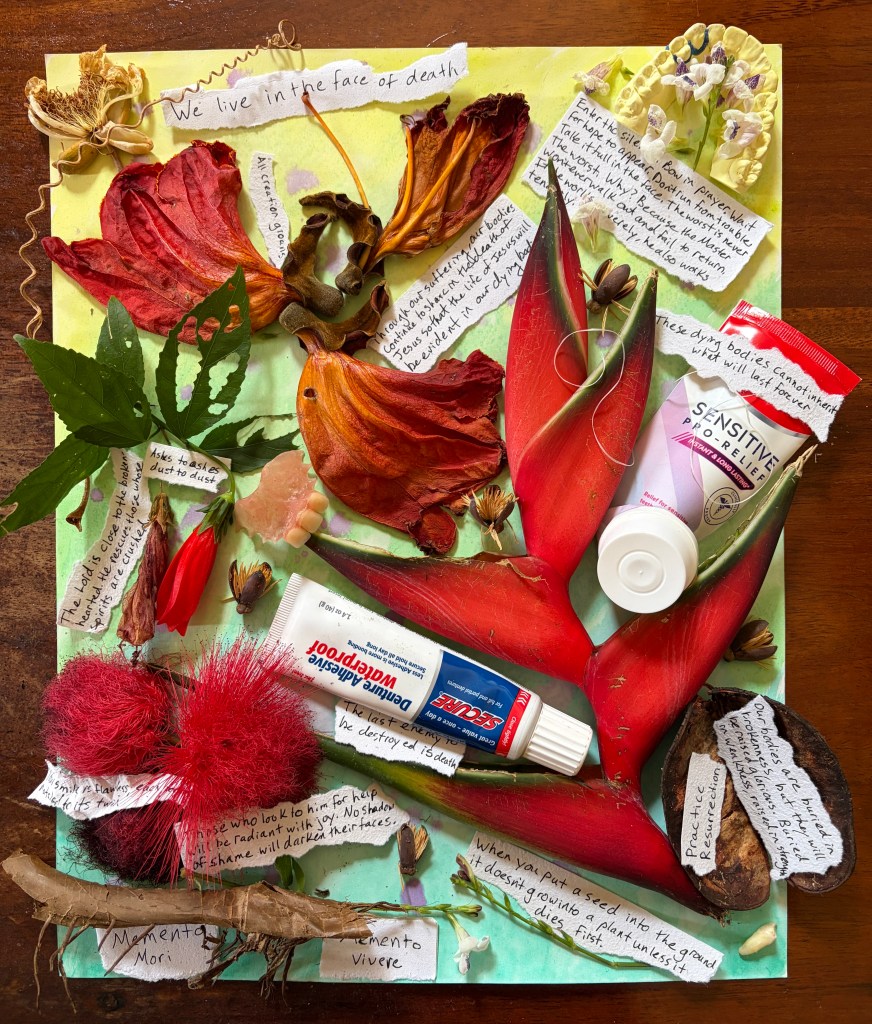
K. J. Ramsey has reminded me that prayer can be poetry, imagination, and noticing small alignments of humor or kindness or circumstance that all speak to God’s love holding us up. When she has been too sick to think clearly, her prayers have been poems; visual collages as little memorials; using a gift while remembering the giver with gratitude; yearning toward and holding up someone you wish for God to be with; imagining those nearly invisible lines of connection or circumstance that give meaning or solidarity or symbolism. Her prayers notice love that ultimately comes from God, weaving in and around and through us and holding us up, giving us hope and strength, and welcoming joy and sorrow with both hands. Here again, a holy imagination furnishes everyday objects and sometimes unexpected images to give form to our prayers. If God showed the biblical prophets women in flying baskets, giant wheels of fire in the sky, valleys of bones that knit back together, colored horses, and dragons, then K. J.’s mycelial webs of joy and collages of mushrooms and medical paraphernalia are tame by comparison. When our prayers are breathed by the Spirit and framed by what God says in his word, then hoping with and holding up someone in our imagination is as much a prayer as any other.   


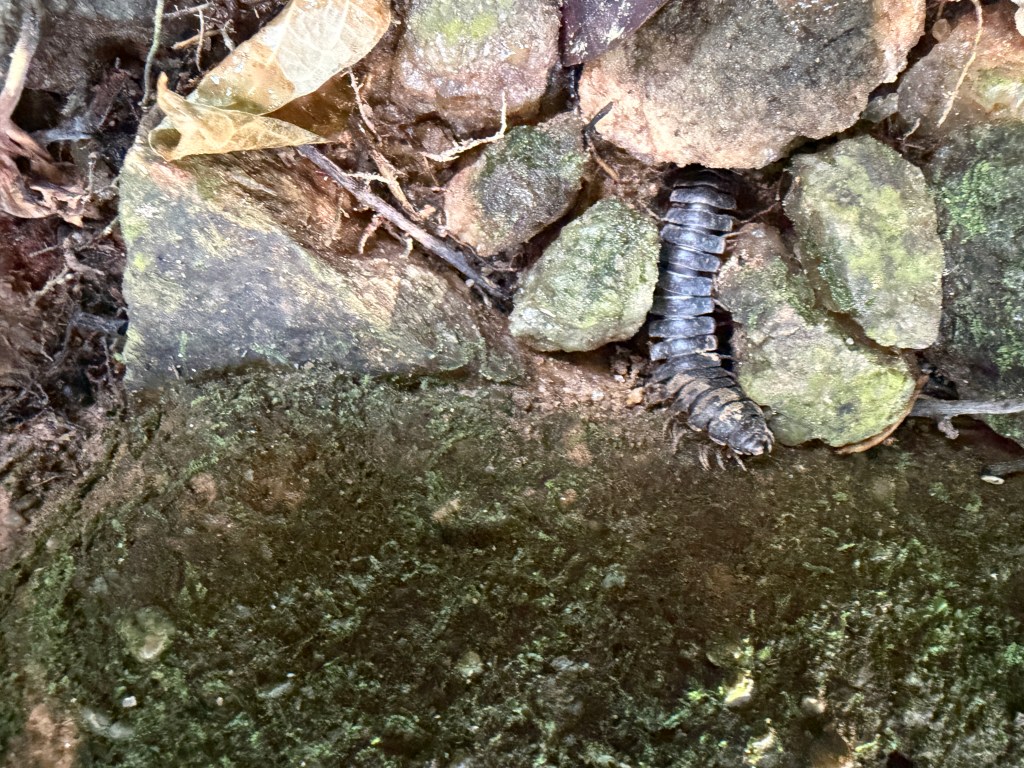
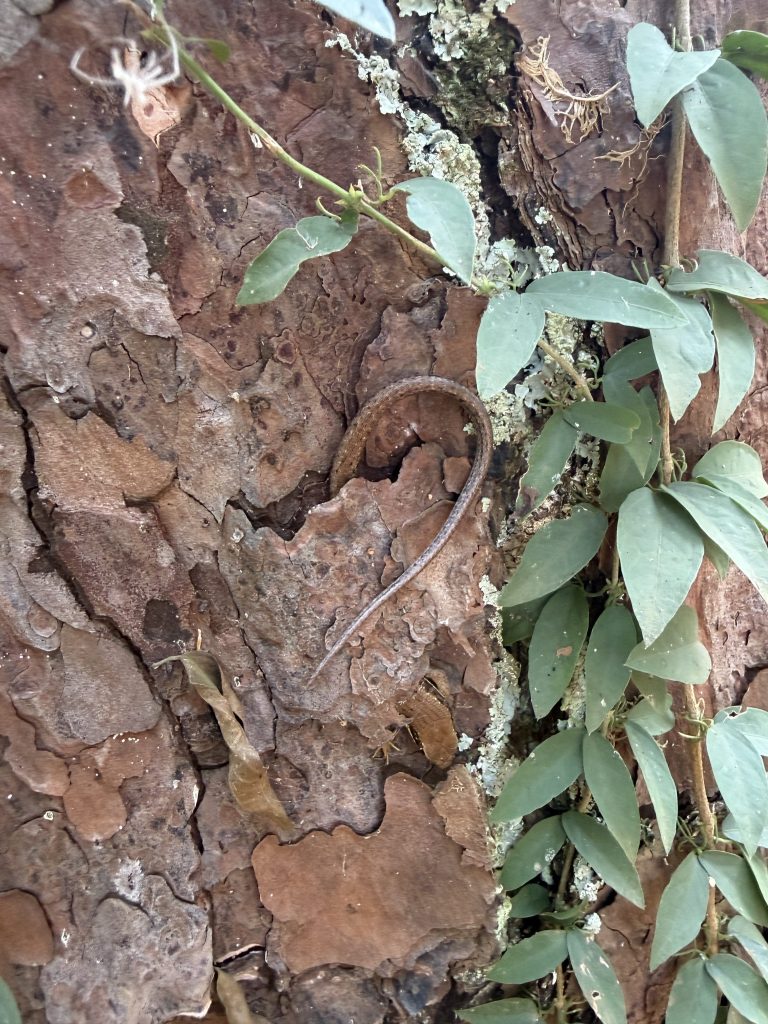
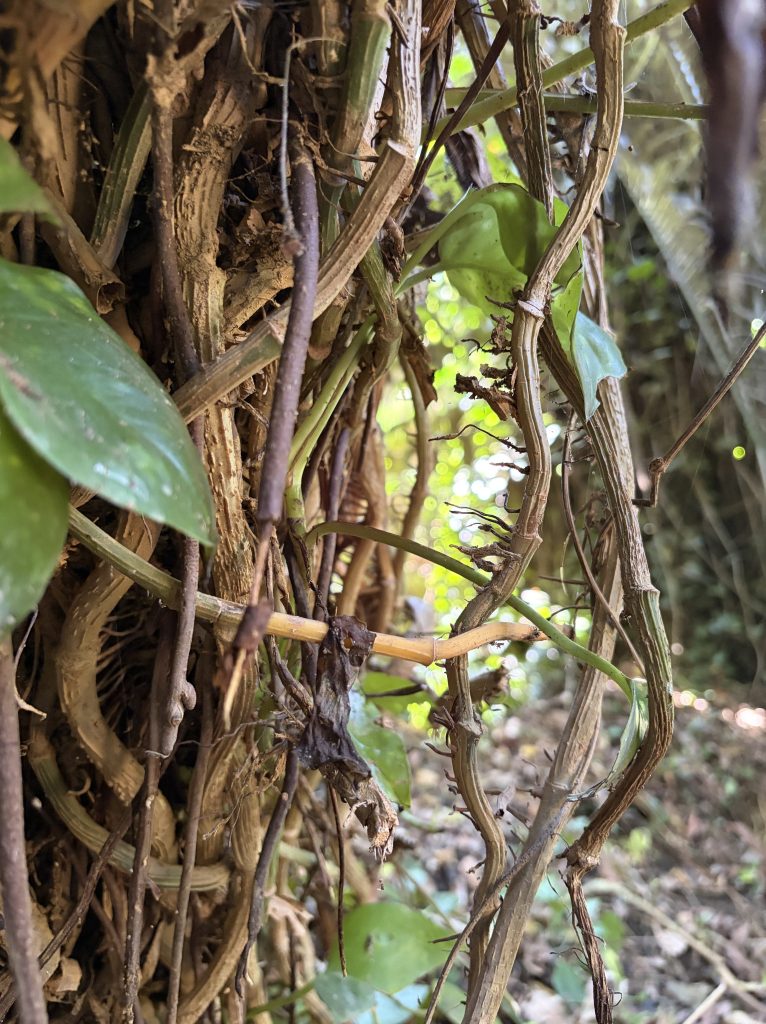
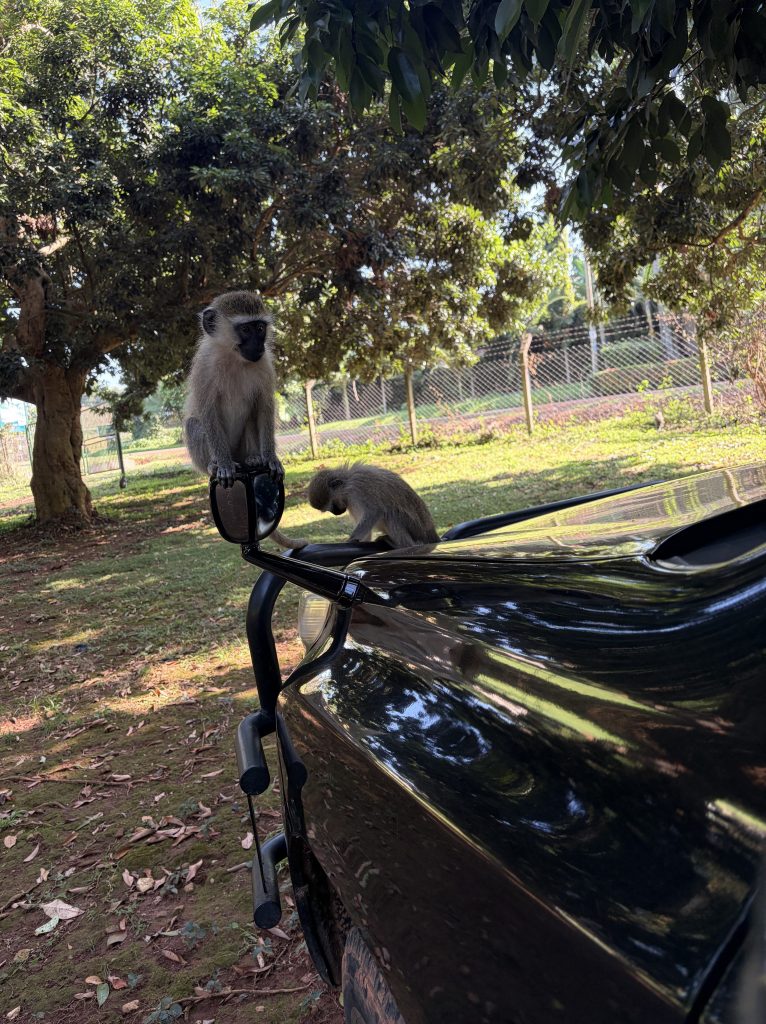
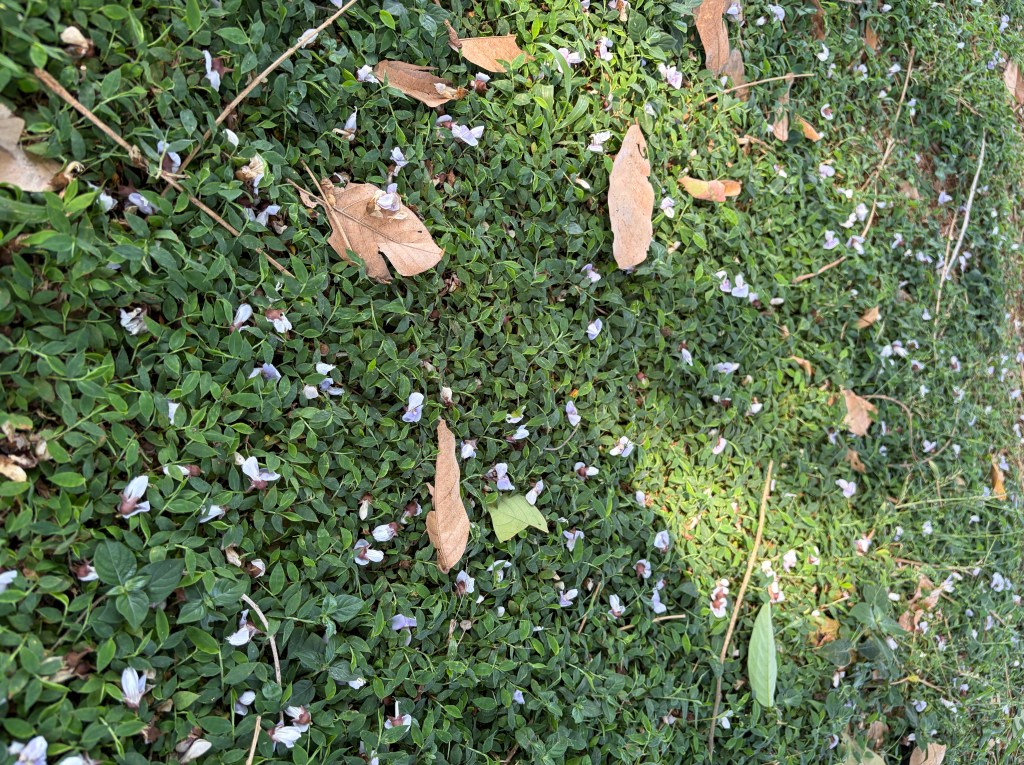
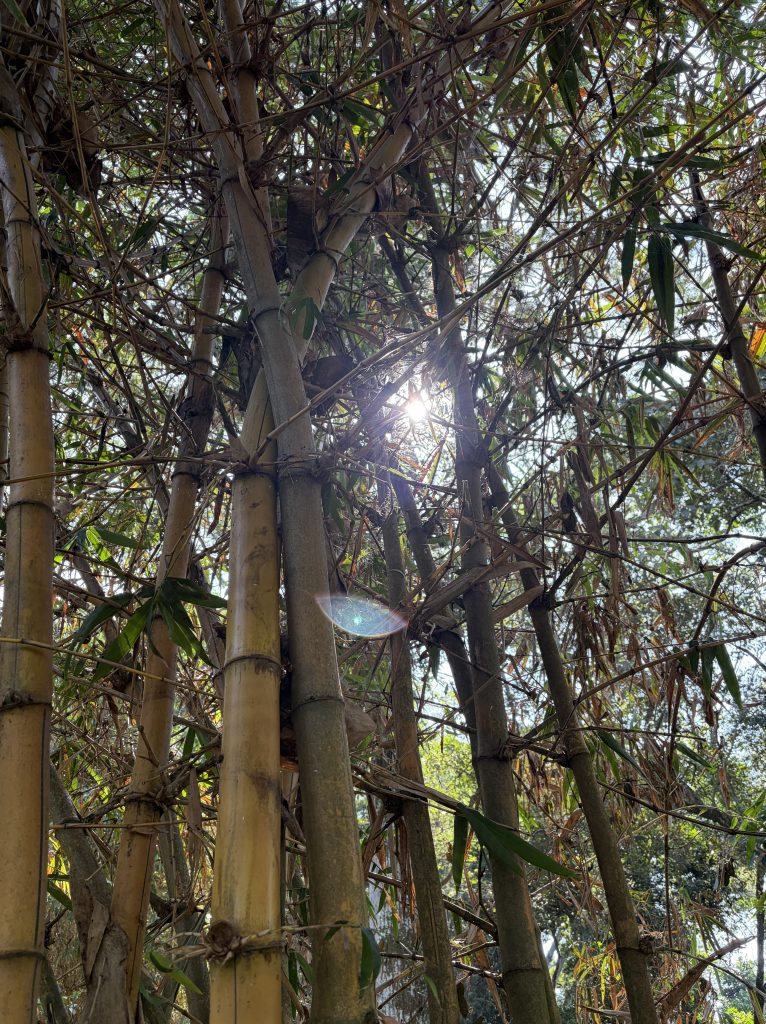
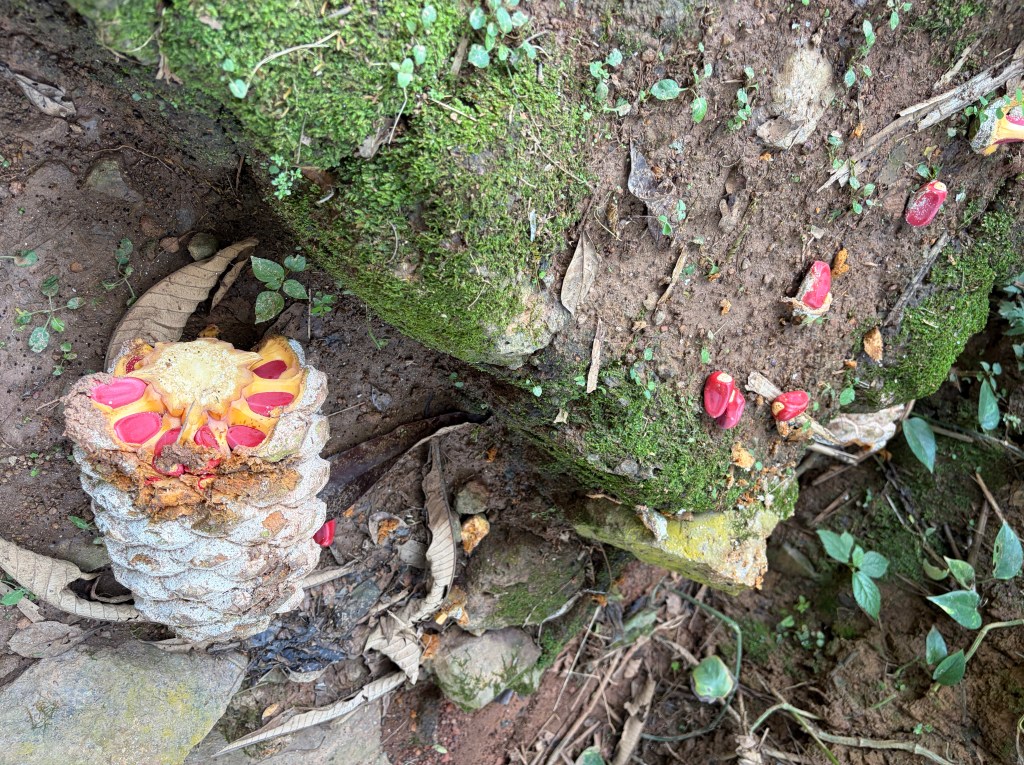
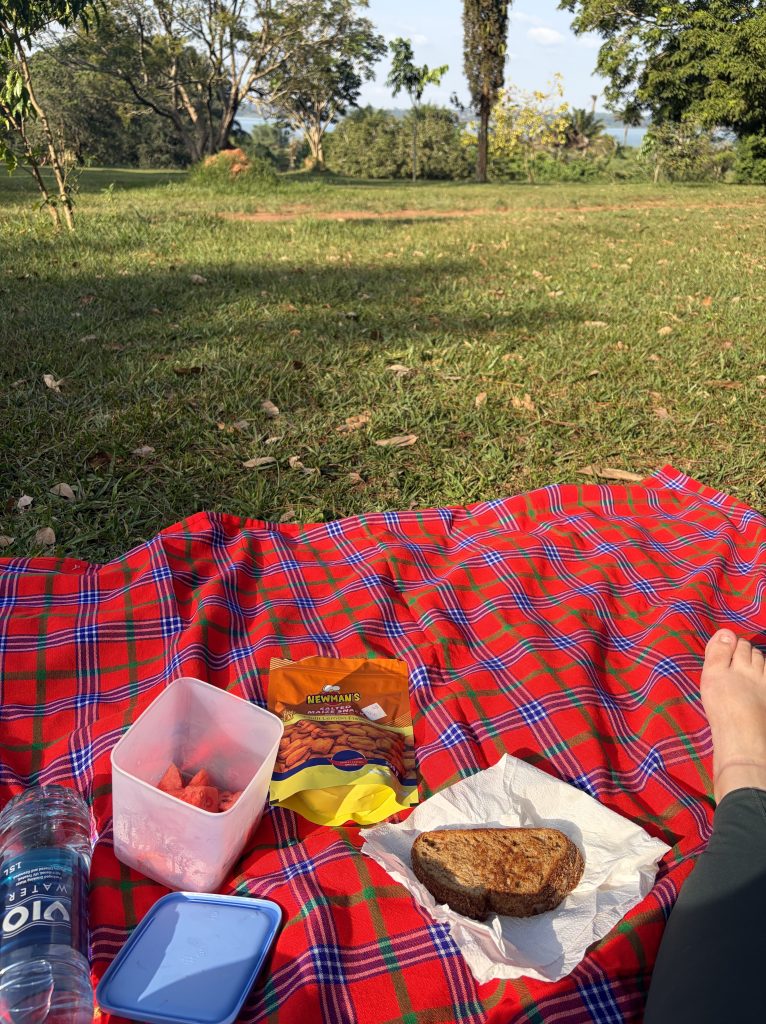
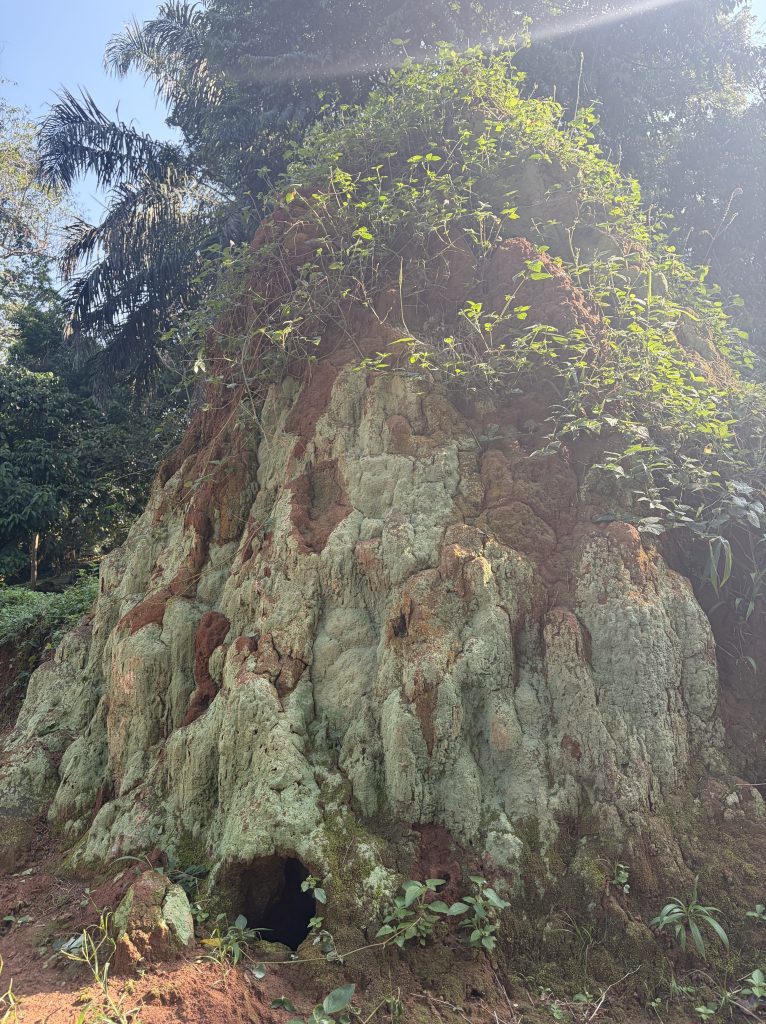
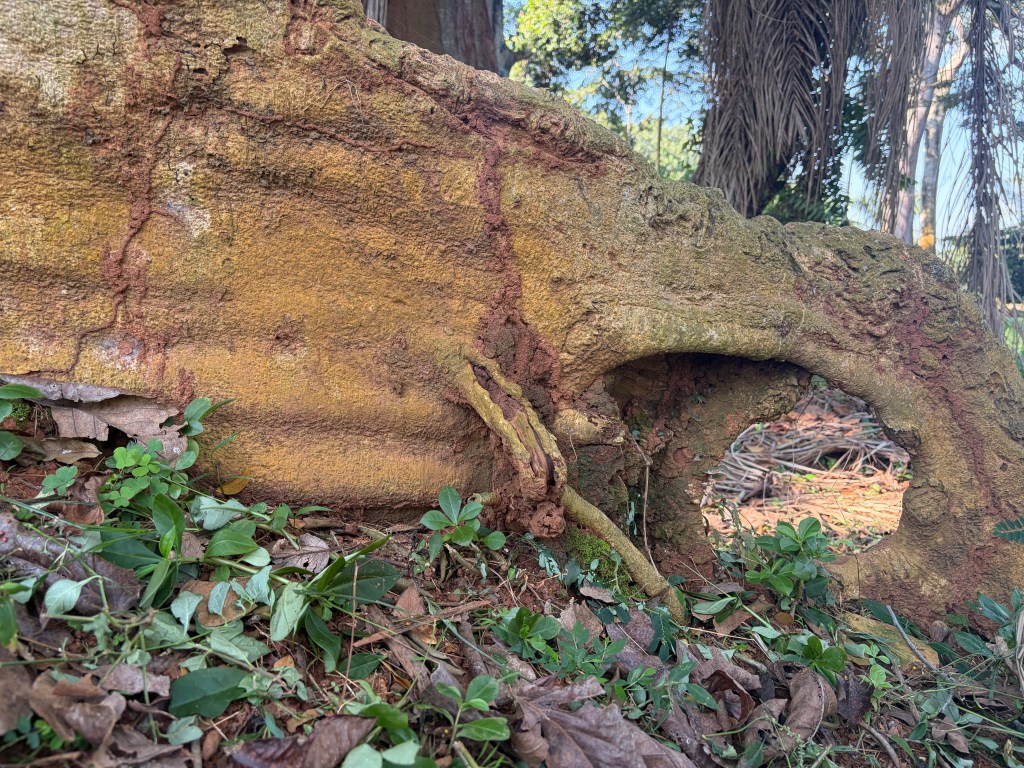
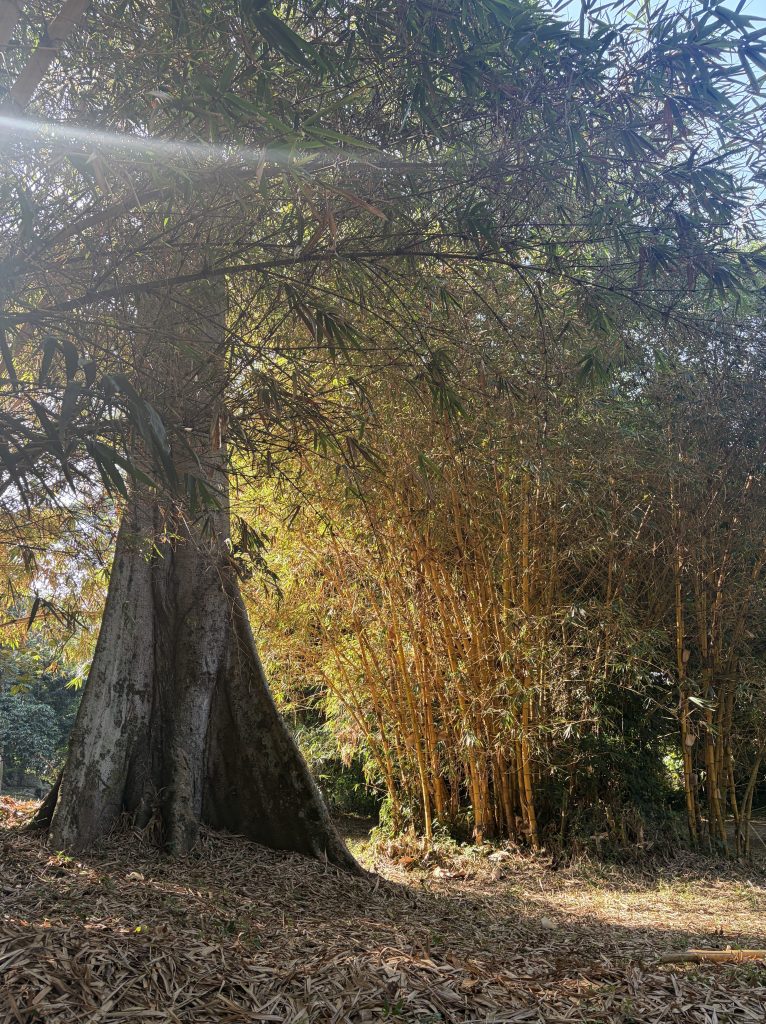
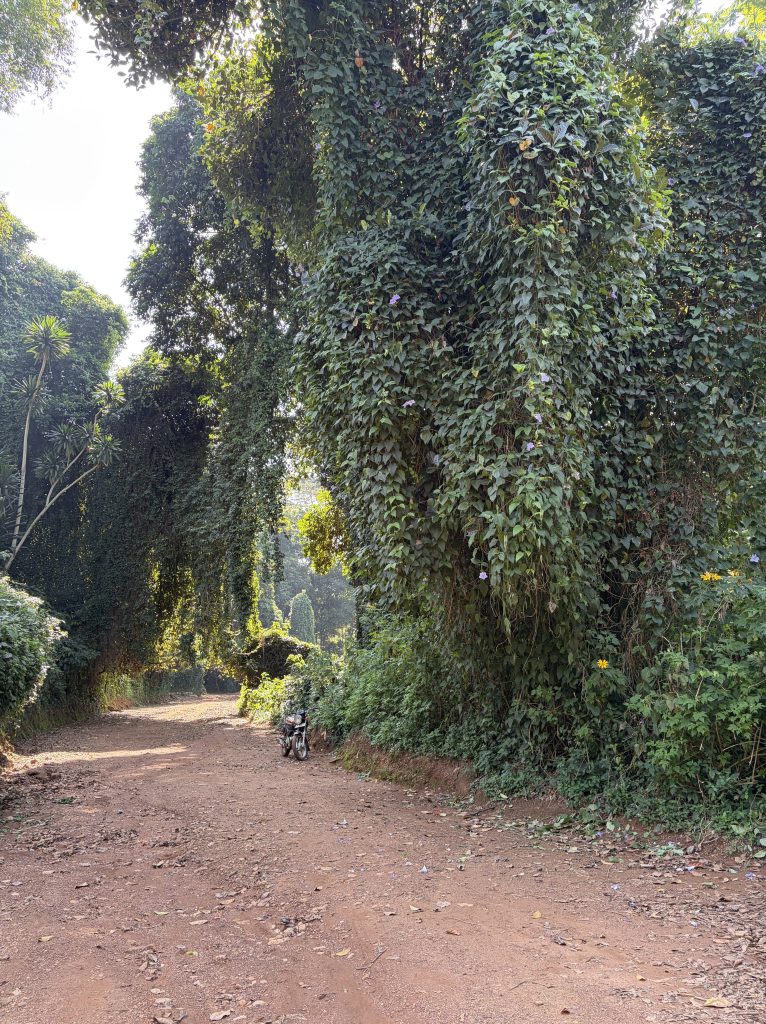
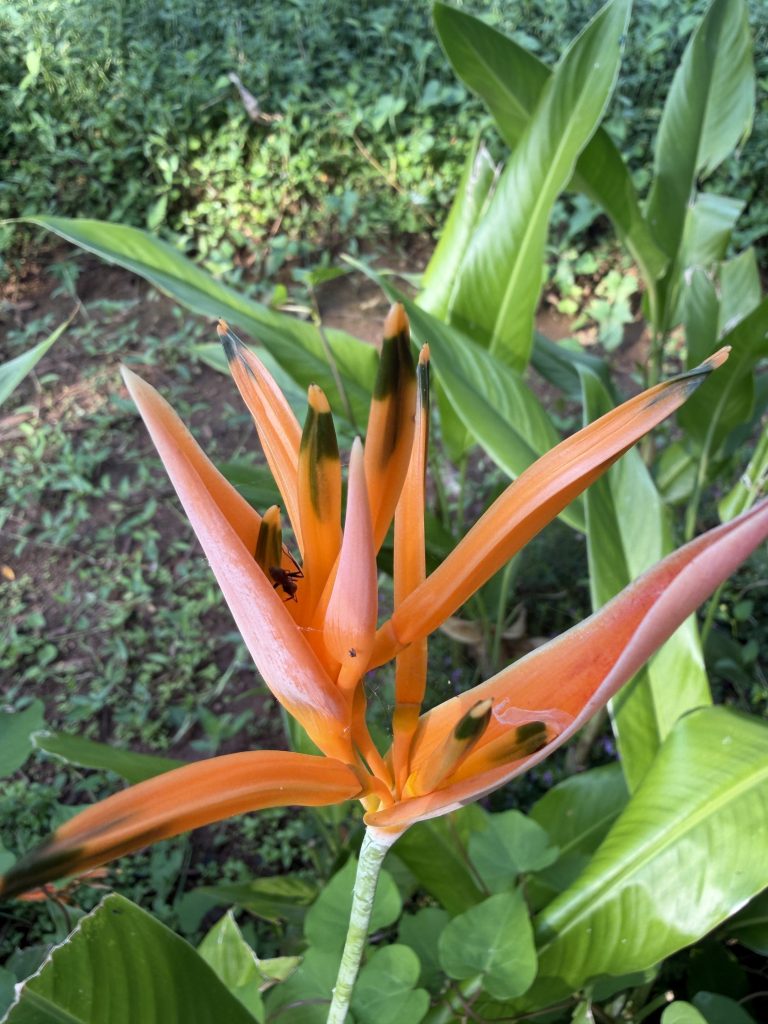
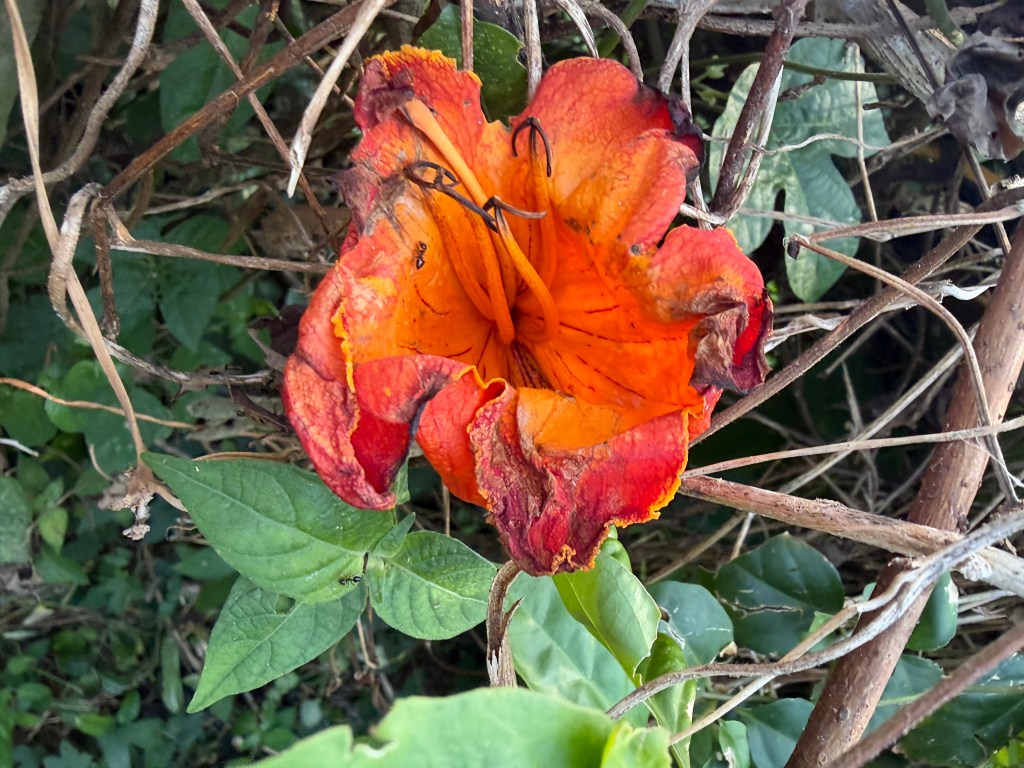
I took a spiritual retreat early this summer, and I practiced prayer in many of these ways. I took walks full of fascination for creation and the Creator. I created beautiful and delicious food thinking about the Bread of Life and the Living Water and Eden’s Gardener who made and grew my grains and fruits and vegetables. I practiced Sabbath silence and rest and solitude. I listened to birdsong, giggled at the gift of sun on my skin. I exercised, prayed with my steps, wrote stories from life in my prayer journal, meditatively collected tokens of life and death from a green and flourishing world around me. I laughed at funny-shaped flowers and brash monkeys and the silliness of birds. I appreciated good stories I read and watched and listened to, and the likeness of their characters and symbols to those in our Christian canon. In my imagination baptized by my Savior, these acts of noticing and standing in awe and meditating and appreciating and being—they were all part of a prayerful conversation with God.

I practiced visual arts by gathering and arranging. Like KJ taught me, I contemplated sickness and health, life and death, lament and joy by making a collage of what I had collected and thought over several days. I lamented the death I felt in my body still broken in some ways from a ladder fall two years ago. But I also joyed in the abundant life God brought through that death, and how all creation groans with me as wait expectantly, imagining when all things to be made new. And like Wendell Berry taught me, I practiced resurrection, remembering that my body and the creatures and creation around me will still be recognizable and even more wholly ourselves when God finally renews us.  


I hope that you may try some of these types of prayers I’ve shared. I’ll include my collage and some pictures from my prayerful contemplations, to prompt your imagination toward new ways to pray. May you lament, and imagine, and dig into the rich soil of stories to give your prayers pictures and themes and connected community. May you gather, collage, eat, garden, dance, rest, bake, listen, sacrifice, bless, and remember. And may they be prayerful.
Creatio Divina

or, What does Lament have to do with Donuts?

Hit that play button if you’d like to listen to this post instead of read it.

Do you ever have trouble praying? Is it ever a struggle to use a journal or a silent prayer to focus your mind on a conversation with God? Many times when I sit down alone and in silence to have a conversation with God, I feel like a failure. Plenty of times I’ll find myself wondering about my schedule for the day or planning dinner, or wandering around doing some task I don’t remember starting because my mind unintentionally went somewhere besides prayer. 

Prayer is a spiritual discipline, so the more we do it the deeper our relationship with God becomes because we’re training our mind and heart to lean in to time with him. Spiritual disciplines like prayer, fasting, sabbath, and more should give us life. 

So why are the spiritual disciplines so hard for some of us? Many of us want to grow in our relationship with God, so why can it feel so unnatural to stare at a blank prayer journal page or have a private “quiet time” to read God’s word, or to memorize Bible verses by ourselves? 

I don’t think it’s only a handful of us who struggle this way. The spiritual disciplines do still require discipline, but God created us to love him and worship him in these ways, so they shouldn’t feel so unnatural to us. I think part of the problem may be that we think spiritual disciplines have to be tied to books and solitary silent meditation, because that’s what works for some people. 

But other people, who are neurodivergent with ADHD or learning differences, or people who learn better from a person than from a book and from practice better than from a lecture—for us, the spiritual disciplines may need to look different. Maybe we need to do them in groups, or out loud, or use our bodies as much or more than we use our minds. That may seem incompatible with the spiritual disciplines to you, but hear me out. There is a rich tradition of spiritual practices for people like us to harness our wandering minds and prompt our memories with all five senses instead of just pages in a book. 

God first gave the Israelites instructions for spiritual disciplines or practices through Moses, and what he said sounds a lot like the practices I crave. Right before they crossed the Jordan River into the Promised Land for the first time, Moses gathers the Israelites and speaks most of Deuteronomy to them. Here are a few pieces of what he said: 

So if you faithfully obey the commands I am giving you today—to love the Lord your God and to serve him with all your heart and with all your soul— then I will send rain on your land in its season, both autumn and spring rains, so that you may gather in your grain, new wine and olive oil. I will provide grass in the fields for your cattle, and you will eat and be satisfied.
Be careful, or you will be enticed to turn away and worship other gods and bow down to them. Then the Lord’s anger will burn against you, and he will shut up the heavens so that it will not rain and the ground will yield no produce, and you will soon perish from the good land the Lord is giving you. Fix these words of mine in your hearts and minds; tie them as symbols on your hands and bind them on your foreheads. Teach them to your children, talking about them when you sit at home and when you walk along the road, when you lie down and when you get up. Write them on the doorframes of your houses and on your gates, so that your days and the days of your children may be many in the land the Lord swore to give your ancestors… 

Dt 11:13-21, NIV

These people waiting to enter their new home would have been both physically and spiritually transformed by their journey to get to this point. Their desert wanderings defined their calf muscles, softened their leather sandals that never wore out, tarnished their tools, stained their tents, and sanded down their heirlooms brought from Egypt. And Moses encourages them to continue these physical and sensory reminders of discipleship. The feel of rain and smell of harvest, grass thick in the field beneath their toes, the rich tastes of new wine and olive oil, symbols that caught their eyes on doorframes and gates, a brush against their skin from reminders they wore, and words echoing through bedrooms and main streets—all were to call them to remember God and his works. These could all be reminders to love and obey him so they could experience his blessing and abundant life. 

These are the types of full-bodied spiritual practices that mark up our shoes, ring in our ears, make our muscles sore, blur our vision with tears, and leave sweet tastes in our mouths. They use the five senses God created in us to help us meditate on him with our whole being. Prayer like this wouldn’t just contemplate God’s omnipotence and sovereignty. It watches and hears roaring rapids in awe of their Creator who has unimaginably more power. Scripture meditation like this would feel like Jesus’ teachings that use drama and situation and relationships to brand God’s words into our memory.  

These spiritual practices do exist, but if you’re like me, you didn’t necessarily grow up familiar with them. They can be church celebrations every year like Advent and Lent before Christmas and Easter. They can be Stations of the Cross, physical postures of prayer that involve our bodies, unison group prayers or liturgies, or a written calendar of prayers that we pray like generations before us. They can be bells or cell phone alarms to remind us to pray throughout the day or at meals. They can be prayer labyrinths, or memorials, or images of heroes of the faith or scripture passages. They can be ceremonies or relationships or habits—a ring we twist when we pray, a person who hears our confessed sin and keeps us accountable, an exercise routine paired with a habit of praying through our week or awe at God’s creation. Dance or baking or knitting or gardening can be just as reverent a way to enter into the Lord’s presence.

Two of my favorite of these new-to-me spiritual disciplines are lectio divina and visio divina. The first means “divine reading” or “sacred reading” and it’s a way to meditate on scripture in a group or alone. It guides your meditation like tree blazes on a hike or traffic signals so you don’t get lost in other thoughts. Visio divina is divine or sacred “seeing” and it uses God’s creation or art in the same way to guide a conversation with God, to give us space to admire him with awe. 

Learning these new ways to practice spiritual disciplines sparked my own creativity too. Many people pray while washing dishes or changing diapers or taking walks because mundane activities can help our bodies go on autopilot and leave our minds free for things like prayer. But for me sometimes, creative activities can feel the most prayerful. I recently taught about lament, which is a special type of prayer you can find in Psalms and Lamentations. It brings our emotions of grief and loss to God and asks for his help or comfort. Often lament ends by clinging to our faith in God in the hard times, even when our emotions may not feel that faith very strongly. 

I taught a group how to lament and gave them the option of writing or speaking a prayer, or creating a poem or song or artwork to express their lament to God. Later, I considered that baking is my favorite form of art and wondered if I could use some time baking to express a lament. The result was an incredibly moving prayer time that brought me to tears and helped me work out a lament with my hands when I hadn’t been able to with only my mind.

Visio divina and lectio divina both use components of observation, meditative listening, prayerful response, and silence to guide our thoughts in conversation with God. This “donut lament” wasn’t exactly either of them, but it did use a similar process to focus my mind in prayer. So perhaps I’ll call it creatio divina, or sacred making. May you all try out creative or new-to-you spiritual discipline practices and grow deeper in your relationship with God with all your heart, soul, mind, and strength. 


A Donut Lament

The sparse palmful of yeast released like tears into the waiting bowl. Quickly hidden in the flour, it became undetectable until it combined with the warm milk and butter and its tang suffused the kitchen. Like grief, the yeast multiplied unseen, its only evidence pungent byproducts and the ballooning space they occupied. A cascading reaction proved the potency of that first transformative ingredient: one traumatic event can reshape the course of a life. Prayerfully, meditatively, the yeast was mixed with the other ingredients until it incorporated into every part of the dough. Ingredients began to react and what once were separate components fused and changed on molecular and cellular levels as something new was created. 

In the dark of early morning, the ragged dough was poured out and it collapsed against the countertop. Two hands tenderly scooped it back together and, with the insistence of lament, began to knead. Frustration and force went into the pushing and pulling motions, spinning the dough in circles by stops and starts with each repetition. A heavy heart and heavy hands imprinted sorrow and loss into the dough. Scattered proteins linked together under the influence of shaping repetition, and strands of gluten—like faith—began to grow. They lengthened and wrapped throughout the dough, slowly binding it together with their strength and resilient elasticity. And then, the shaping work done, the dough was left to rest, in the dark. 

With time, the sun rose. Hands that had shaped the ball of dough in hope returned to find it grown and mature. It was ready to be shaped and cooked, then shared as a sweet gift to sustain others. The dough was a prayer, and the process a lament. The making was meditative, contemplative, and repetitive in ways that allowed the soul to rest in God and express sorrow seasoned in faith with hope. 


Visio Divina resources:
Explainer video: https://www.youtube.com/shorts/wEiO2l9YOjs
Guide: https://www.youtube.com/watch?v=M8_YIdQoO6Q&list=PLgaH69E03-gJhLFg1y0IPXbKrJjWWJJKq&index=4
Explainer: https://www.pbrenewalcenter.org/blog/contemplative-prayer-the-five-steps-of-visio-divina/
 
Lectio Divina resources: 
Guide: https://www.youtube.com/watch?v=tv5lLWFg6hc
Explainer video: https://www.youtube.com/watch?v=x95jYZHv57w
Explainer: https://www.upperroom.org/resources/lectio-divina-praying-the-scriptures
 
The Lectio 365 app in case you want to try it out for yourself: 
https://www.24-7prayer.com/resource/lectio-365/

For iPhone app and Android app