Tag: refugees

War Stories part 2

Stories have always helped to give me a picture of something I can’t otherwise understand. A story takes something abstract like a war, and gives it faces, places, names, and feelings. When the people in the stories feel real to you, you can’t help but feel what they feel as your mind’s eye sees what they see. Stories teach our hearts empathy and can shape our emotions into actions—whether they be prayer, lament, protest, or giving. 

I’ll continue sharing Sudanese stories with you in this post to let you meet them in their experiences so you can better understand the war they’re living through. The following stories are difficult. They deal with genocide, rape, war violence, and other traumas. Each section has a heading so you can avoid topics that might be too difficult for you, but know that I never give graphic details. My goal is to walk with you as a guide, not to leave you feeling overwhelmed and hopeless. So, like in the last post I’ll share scripture and prayer points that have helped me respond to each story. 

My hope is that these stories will help you to remember the Sudanese—with prayer, with visits, with kindness, in whatever ways the Lord prompts. One of the most common fears I’ve encountered with any refugee friends is the fear of being forgotten and left alone. Too often in their times of deepest need they have been met with indifference and neglect, if not cruelty. By the very nature of their situations, they have lost so many relationships through war or displacement that the thought of being ignored or left alone deeply grieves them. They can carry a deep sorrow that people may shrink away from them in their need, or forget them because it’s uncomfortable to face their situations. Of course they need material help, but the emotional gift of sharing in their grief or offering a prayer is also important, and it often lasts longer. So for this reason I share their stories with you, so they will not be forgotten. 


Trauma: The Reporters

 I met both women over a year apart, but they were alike in many ways. Both were capable women who seemed to be the keystone of their families. And both had to flee Sudan for their lives and to protect their families from further threat. One woman was a highly educated reporter, and her commitment to exposing injustices in a country destabilized by the brewing war landed her in the crosshairs of powerful people. She showed me pictures of her acid burns the first time we met, almost proudly. Her reporting was helping to spread her people’s stories so the world could see and respond with help. 

She was now in her second country since she fled, and she left family members behind she hoped no one would targeted now that she was out of the way. She and one of her daughters with her still lived like they were hunted, careful of how loudly they spoke certain things, and fleeing people who still threatened them for what they believed and shared even two countries away. 

The other woman had lived in an internally displaced people’s camp within Sudan before she fled years ago. She reported serial rape in the camps to authorities, hoping someone with the power to stop it would intervene. But through corruption, her reports were leaked, and the very people raping to control women and frighten them into silence targeted her and her family. Her story of a chance warning and her harrowing escape even while she could hear her children crying and her husband being beaten was horrific. But she knew that leaving would spare them further abuse. So now she had lived for years separated from her children, the youngest of whom was an infant when she had to flee alone. 

Both of these women have been blacklisted, and cannot return to their homes for the foreseeable future for the safety of their families. Both are among the strongest and most resilient women I know, but the human mind and body have their limits. Mental trauma of this magnitude is debilitating, especially if you experience it in a foreign country without a support system or access to counseling. The second woman was finally reunited with her children who fled the most recent wave of violence. But she suffered from memory loss, crippling anxiety, and debilitating chronic physical issues that were the product of years of extreme cumulative stress from the mental trauma she had endured. 

I recently spoke with a South African eye surgeon after she served for two weeks giving vision-restoring cataract surgery to Sudanese. She was confused at how little response they gave when suddenly they could see again, especially compared to some of her regular patients who would dance or sing. We discussed their mental trauma, and the self-preservation of low expectations and not daring to believe change for good can really last. But many Sudanese I know also carry with them a “sideways hope.” Outwardly they expect the worst case scenarios, but inwardly they bravely keep hope kindled in their heart. As a favorite writer of mine so well described it, “For people habitually up against it… hope is something too sacred to be spoken. It belongs in the heart, not in the mouth.”[1] The mental trauma Sudanese carry may be disabling, but many still cherish hope when they have every reason not to. They may try to hide the effects of their trauma because they have a distorted sense of what every person should be able to carry without complaining, but hidden or not, their resilience is radiant. 

Genesis 16; 21:1-21

 Hagar’s story of trauma, abuse, and shame can feel too heavy for the cursory treatment the Bible seems to give it. But what Scripture doesn’t do is hide the shameful treatment she received at the hands of Abraham and Sarah. The account of her story does not excuse those parents of our faith of their behavior or explain it away. As Muslims, many of the Sudanese are Hagar’s spiritual descendants. Like her, their very presence is too often considered a shameful testament to someone else’s sin we would rather forget. They are often expected to cover or hide themselves to protect their communities from the shame of exposure—of domestic abuse their bodies would show, of the brutal control their female genital cutting testifies to, of the rape cowardly men forced on them and shameful men ignored. But the Bible does not ignore Hagar’s story. In fact, it takes care not to hide the sin of powerful men like Bathsheba’s king, and the dynasty-founding families of Dinah and both Tamars. Genesis takes care to call Hagar Abraham’s wife, to show in even more disgraceful detail the treatment she deserved but was denied. And at the climax of Hagar’s reprehensibly traumatic story, when Abraham and Sarah send her away rather than face their sin and its consequences, God SEES her. And HEARS her child’s suffering. God drew near to the broken-hearted Hagar just like he does to traumatized Sudanese women whose depth of pain no one else truly sees or hears.  

Pray for Sudanese dealing with mental trauma. 

  • Pray for God to provide families and communities they can safely share their experiences with so they can be comforted.
  • Pray for mental health professionals and therapy options to help Sudanese process their traumatic experiences.
  • Ask God to comfort them with his love and be near them with his Spirit so they do not feel alone or abandoned in their suffering and its aftermath.
  • Pray that Sudanese men and women would not carry the shame of what has been done to them and would be able to clearly see that their value is not diminished by the cruelty they have been shown.
  • Pray that like the Biblical authors, we who are not Sudanese would not cover or ignore their suffering, but instead would respond with respect and compassion. 

War: The Village School

We drove three hours from the nearest hub town across sometimes indiscernible roads to reach their village. “Out in the middle of nowhere” was an understatement. We traveled with friends of ours as they were returning home. Their grins in the back of the car were the biggest I’ve ever seen them, as they chatted with excitement for us to meet their people and see their home. 

 We shared their excitement to get to see their homeplace, but that wasn’t the only reason we were going. This village, out in the middle of nowhere, with no military base anywhere nearby, had recently been bombed from the air. One bomb fell harmlessly up in the mountains where no one lived. Another fell down a well and only property was damaged. But the third was dropped on a school while it was in session. Around fifteen children and teachers died on site, and dozens more were injured. We were traveling out with our friends to offer our condolences and sit with the village in its grief. 

I experienced a disorienting emotional whiplash as we finally rounded the last bend and caught our first glimpse of the village through the scraggly bushland surrounding it. The lively chatter in the car fell deadly silent as we caught sight of the school partially in rubble. A subdued voice asked if we wanted to stop there first and see it, but someone told the driver to go ahead and take us to the gathering point where we planned to meet everyone. I tried not to think of the sound of the plane overhead, or the chaos that would have ensued as this peaceful village frantically rushed to dig children out of the rubble. 

We sat with the village leaders and some of the fathers who had lost family members. They showed us kind hospitality and eagerly welcomed us. We offered prayers and some encouragement from God’s Word. But our words and presence with their grief felt so small in the shadow of that school, under the gaze of those fathers’ hollow eyes. There were not strategic resources the military could have gained here. This village and its people weren’t even active in the war that was taking place farther north. The bombing was completely senseless, and could have no other purpose than fear and destruction. But in every story I’ve heard, that’s how this war is. It’s senseless violence that will consume you if you try to understand the why behind it. 

As we left I experienced that emotional whiplash again. I was still mulling over the experience when my friend stood on tiptoe to poke his grizzled head through the car window and talk to me as I was climbing in. “You didn’t have time to come to my house this time!” he said. The engine was turning over and we were seconds from pulling out. “Next time you come you are welcome! You’ll have to meet my son! He’s the one your age, and he could use another wife!” he joked, with a mischievous twinkle in his eye. As we pulled out past the school that I barely even noticed after that proposal, I realized that was how they did it. This village lived under the looming war balancing sorrow when it struck with laughter and kindness when they could find it. 

Job

The book of Job isn’t a comfortable one. The conversations between Job and his ‘friends’ seems like a maze of the accepted wisdom of his age and ours, which God discounts by the end anyway. We can be tempted to see the final point of Job as, “Suffering doesn’t make sense. Period.” But in the end of the book, what Job learns when God speaks is that we may not understand God’s long-term plans or the big picture or how he enacts justice. But suffering isn’t senseless. Even if we don’t understand, God sees and plans so much more than we can. And not only that, God heard Job every step of the way. God knew Job’s suffering and grief, his faithfulness and his despair. God knew Job and honored him—both when he proudly pointed Job’s faithfulness out to Satan and when he blessed Job after the suffering passed. 

We cannot understand the senseless suffering in Sudan, but by wisdom so much higher than ours, God does. He knows and feels each broken heart and cherishes each soul that faithfully clings to him in the suffering as Job did. But Job saw God’s plan only imperfectly. When he begged for a helper, someone to take the suffering in his place and advocate for him to God, it was the wish of a broken man who thought it impossible. But after Jesus, we and the Sudanese who suffer can see that wish realized. The Holy Spirit is our advocate to God and can bring us near to him. And Jesus not only took God’s punishment in our place, but physically shared in the same kinds of suffering we may face and empathizes with us as we endure. 

Pray for Sudanese impacted by the war and its violence. 

  • Pray for those who have lost loved ones, that God would be near to them in their grief.
  • Pray for Sudanese who believe God only expects them to endure suffering. Ask that they would understand our God is a suffering servant who can join them in their pain and sorrow.
  • Pray that through this war, God would draw many Sudanese to himself as they search for someone to save and protect them.
  • And pray for Sudanese to come to know Jesus personally as the same redeemer and helper Job hoped for. 
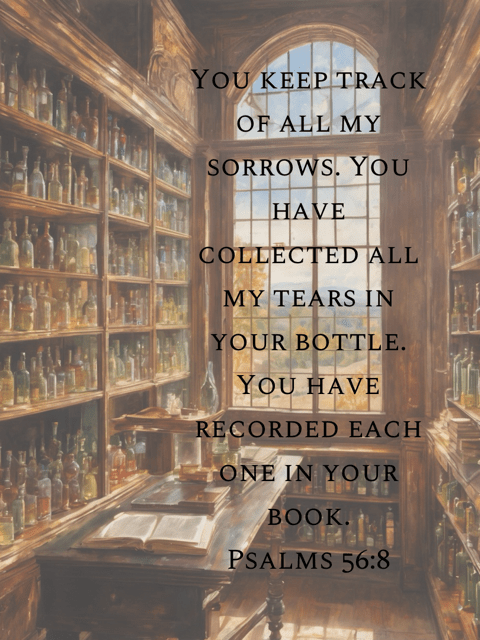
Image generated by Gencraft LLC. Text from the NLT.

Genocide: The College Student

I sat across the supper table from him after a discussion about his potential. He had just finished high school—late because of the years of interruption from the war—and he was considering where he might be able to get an IT degree. He was by most measures a fairly normal college-aged guy. He held his smartphone and his attention drifted to it during lulls in the conversation. He had just teased me like my own brother his age about how much shorter I was than him. But in a few important ways, he wasn’t any normal college guy. He is part of the Masalit tribe, a target of the quickly spreading genocide in Sudan’s Darfur region and of what was widely known as “the first genocide of the 21st century.” That first genocide began in 2003, just in time for the circumstances of his birth to be wrapped up in its horror. He had been displaced from his home for years and I’d never heard him talk about his family before, if they were even still living. 

After a break in conversation I broached the subject of the current genocide happening under the cover of the war, and asked him if other Darfurian tribes besides his were targeted as well. Contrary to the hesitance I expected, his eyes lit up. “That’s actually a very good question,” he said, eager to explain to someone who cared to know. He launched into a welcome history lesson, quick to share about his people’s dignity and strength and their difficult past. “My country,” he would say, as he proudly showed pictures of the flag, or political borders, or the beautiful landscape. He radiated a fierce sense of national identity and autonomy as he shared about the many and complicated reasons others are willing to commit genocide and martial rape. Many want control of his people’s land and its bountiful resources, and there are generations of tensions between Arabized tribes who consider the Masalit and other Darfurians inferior and want to rid the world of them. Some in Darfur want to split from Sudan entirely to be their own nation. But as things are now, many Masalit like my friend are displaced in many different countries, and some even as far as Europe. 

I mentioned the international news coverage, and how more people around the world are starting to hear about his people and what they’re suffering. He said, “What you see in the news is not real. What I have seen with my own eyes, the killing and the raping, you cannot understand that from the news.” He sat quietly for a while, leaving unsaid many more atrocities than any 23-year-old should have to experience. 

And then just like that, he flipped his phone around again to show me a picture of two hyena cubs he had caught and raised. He explained how abundant they were in Masalit land and how people caught or raised them for meat. But with a crooked grin he told me how he’d managed far from his homeland to catch and raise these two—Biter and Scratcher in his language—like security dogs, and later sold them to help support his schooling. He was carrying on as normal a life as any 23-year-old could despite the genocide: trying to make ends meet, enjoying a thrill of danger and the shock value of his adventures, wanting to travel the world and get an IT degree to get a stable job and have a future. 

Habakkuk

On the year anniversary of the coup, I sat with three Sudanese pastors around a table and they shared what they thought about the war and the future of Sudan. They lamented how many were suffering without cause. Some said they thought God was using the war to root out wicked men in power. They discussed how the instability exposed false gods or faith in the wrong deity and gave people maybe their first real prospect of turning to God. They agreed that only God could deliver the people of Sudan from this war and save them. One said, “God is still doing his work in the middle of this war.” 

These observations are exactly the same as Habakkuk’s in his small book. He considers the wickedness of his own people, and then regards God’s plan first with horror when he hears that a nation will bring war to them. Like Habakkuk’s people in his time, the Sudanese face unimaginable cruelty and violence. But also like Habakkuk’s people, they are having a chance to see God’s work that is hard to believe without seeing it for yourself. Muslims from tribes that cannot remember a time before Islam are uprooted and questioning for the first time if their faith is true, and if it can sustain them. At the end of his book, Habakkuk comes to an acceptance born only of his faith in a powerful but loving and merciful God. Though devastation surrounds him, Habakkuk chooses to depend on the Lord to be his strength. Even in famine, violence, and disaster, the God who saves him inspires joy in Habakkuk’s spirit. This same God calls to the Sudanese and offers them the same hope. 

Pray for the Sudanese facing genocide. 

  • Pray that God would provide a way for them to get to safety.
  • Pray that their homes and cultures and livelihoods would be preserved through the upheaval as they flee.
  • Pray for God to protect especially the defenseless among the targeted Darfurian tribes.
  • Pray for those committing the genocide—that God would help them to see clearly through their generations of hatred and the battle fever so that they cannot murder another man, woman, or child without feeling the eternal weight of their actions.
  • Ask God for the justice only he can give, and for ultimate reconciliation and peace. 

  1. Go read Benjamin Myers’ post, “Advent in Oklahoma,” on the Front Porch Republic site. He wrote a beautifully expressive reflection of a waiting hope particular to Oklahoma Plains people. As an Oklahoman myself working with Sudanese, I found a sort of kinship in the way we both persistently, stubbornly wait and silently hope. https://www.frontporchrepublic.com/2023/12/advent-in-oklahoma/ ↩︎
War Stories part 1

The War

Sudan has been at war for over a year. Many still have not recovered and returned ‘home’ from the last waves of violence, and the country was just finally beginning to let out its breath and hope for a time of peace. But instead, the peaceful civilian government they hoped for a year ago is only a broken dream now. The capital city of Khartoum is a smoking, shattered ruin. Much of the country has been ravaged by war as two military factions fight for control over the hollow husk of a country they have left in their wake. 

Millions of people have been displaced from their homes and fled to different parts of the country or to other countries entirely. Again and again the mass casualties from these clashes are civilians caught in crossfire. People can’t access necessities like medicine, food, basic health care, or clean water because soldiers raid or destroy what little is available. Roads aren’t safe and gas and transportation prices are unthinkable because the military routinely seizes goods and demands bribes for passage along the normal supply routes. 

Schools and orphanages have been bombed. City blocks and villages alike have been burned to the ground in places. People flee their homes when they are so desperate escaping on foot is their best option, only to lose family members along the way to military factions that bomb and burn civilian targets for no other reason than to spread fear and destroy resources. 

Systematic rape is an expected weapon of war to control and terrorize both the men who can’t protect their families and the women who lose their social standing and the last scraps of morale they had to hold their broken families together. Sieges and road blocks create artificial famine to demoralize and destabilize any who would resist military forces. And under the cover of this horrific war, the sparks of genocide have already started to rage into wildfire. Whole swathes of the country are now depopulated of certain Darfurian tribes; they have fled because they’re convinced that life in a refugee camp is better than continuing to watch the military target and murder their people by the hundreds. 


The Stories

These horrors—genocide, famine, inescapable trauma, displacement, and war—are so far outside our experience they’re hard to understand. Something that evil, that abominable, is hard enough to wrap our minds around, especially when we can’t put a face to it. So I want to give you stories. I want to give you some ‘faces’ to this war so that you can understand a small part of it. 

I’m no reporter. I’m not writing to propose a solution or help you choose a side. I can’t give you the facts and figures of the war in Sudan. But I can share stories. Sudanese who have survived these atrocities are my friends. Their stories weigh heavy in my heart, because through their experiences I have begun to understand the war. I hope that by sharing some of their stories, you can begin to understand too. 

May we together be driven to our knees in prayer. 

I won’t share these friends’ names, but perhaps that’s just as well. Their stories mirror so many others I have heard that, without names, at least one of these stories could apply to almost any given person who has been uprooted in Sudan. Be warned, these stories are difficult. But they’re worth knowing. These people are worth knowing and caring about. 

I’ll share one story in this post, and three others in the following one. Each story will illustrate some aspect of what Sudanese face: displacement, genocide, war, and trauma. To help as you hear these heavy stories, I’ll share some of the scripture and prayer points that have helped me process them with lament, hope, or truth that does not waver in the face of the suffering of this world. 


Displacement: The Sisters

These two women had been like sisters since childhood. They called each other by childhood nicknames, teasing back and forth good-naturedly about being old or crying like a baby while cutting onions. They had fled from the war back to the small village where they had grown up. Their jobs in the city were gone, so they took whatever work they could to make ends meet and support their families. They rarely spoke of their husbands, who were dead or no longer took part in the family. The women worked long hours and never complained. 

When I first met them they often talked about returning ‘home’ when the war settled down. They held out hope, and their contented joy came only from a deep faith that sustained them through their unimaginable losses of family members, future, and livelihood. They talked easily about crossing desert mountain ranges on foot as they fled. They shared grim jokes about the deadly scorpions and snakes they faced along the way. Their stories about bombed out buildings they took shelter in left a more haunted look behind their eyes. One of the few signs of trauma they couldn’t hold back betrayed the difficulties they had lived through: when you meet one of the women after a long time away, she breaks down into shaking sobs. For so many friends and family members, she never knew which goodbye would be the last one, and who wouldn’t survive until she could see them again. 

These ‘sisters’ are in a multi-stage displacement. First fleeing their city home with their children, they came back to the place of their birth, or their tribal homeland. Here, they could find work, speak the language, and rely on a network of relatives to help cushion their displacement when they arrived with little more than the clothes on their back. 

As the war dragged on though, they began to see that going back wouldn’t be an option anytime soon. In at least one of their cases, there was no ‘home’ to go back to. Their village home they were in now was never meant to be more than a stopover, and they were beginning to see they needed a better long-term option. 

After the war passed the one-year mark, the women started to talk of traveling elsewhere. One’s daughter needed somewhere with a university so she could study and hope for a job to make her future. The whole family would have to move with her, so they could work better jobs to afford to put her through school. As the war further dried up resources in their village home, the other woman needed more stable work just to support her family, and she hoped for a more consistent school for her younger children. Both women are contemplating a move to different countries now—with unfamiliar languages and cultures—for a better life for their children. They live in the uncertainty of not knowing when or if things will change back ‘home.’ They have decided it’s less risky for their family to move somewhere completely foreign than to wait with hope for an increasingly hopeless war to resolve. So they wait and hope for money to travel. And I like many of their other friends don’t know when or if I’ll see them again after they move. 

Jeremiah 29:1-14; Hebrews 11:13-16

We often forget the context of the famous verse, “For I know the plans I have for you… plans to prosper you and not to harm you, plans to give you hope and a future.” Jeremiah wrote it in a prophetic letter to Israelites who were displaced from their homeland and had no idea when they’d return home or what to do in the meantime. God told the people to settle where they landed, to build and grow and marry and have families. If they worked to help the city flourish, they would flourish too—even as a displaced people inside the city. God promised the Israelites that one day he would bring them back home to their land. That same promise may not apply in the same way to displaced Sudanese, but we can hold to the promise that God plans to give them hope and a future. If Sudanese seek God like this passage promises, they will find him. And he may not bring them home in this lifetime, but they have a promise of a heavenly city that will be more a home to them than any place on earth could ever be. 

Pray for those displaced within Sudan.

  • Pray for God to provide for their daily needs like food and medical attention.
  • Pray also for their temporary new homes to provide some respite from the terror of war.
  • Ask God to give them family or friends to support them and help them to adjust after all they have experienced.
  • Ask God to give them wisdom to decide how long and where they should stay. 

Pray for those displaced outside of Sudan.

  • As they live among foreign cultures and different languages they can feel very isolated and alone. Pray for God to give them friends and neighbors who love them well and help them settle in their new homes.
  • Ask God to give them work that can support their families and build up their communities.
  • Pray for all of these displaced to know God’s peace, and to feel that he has been with them and guided their journeys to places of safety. 

An Old Exile and a New War

Sudan is at war. 

The uneasy, unsettled surface of relative peace in Sudan cracked to reveal unresolved conflict that may continue for a long time to come. After genocidal dictator Bashir was ousted in 2019, Sudan’s military leaders took temporary control of the country under internationally brokered plans to hand the country back to civilian rule according to a set timeline. 

In the past weeks, deadlines were not met, and two military factions began all-out war to secure sole rule over the country. The fighting has been centered in Khartoum, the capital. And Sudanese there and around the world have watched in horror as the heart of their country and culture has spiraled into chaos. Infrastructure has broken down—water, food, and electricity are inconsistent at best, as well as phone and Wi-Fi communication networks and basic travel routes. 

Hospitals were first overflowing, then running out of supplies because of looting or inability to restock, and many had to finally close their doors because staff and patients couldn’t get there through the crossfire in the streets. The international airport is bombed and smoldering. People are escaping on foot if they have to, across any borders they can access. Dead bodies lie decaying in the streets because there are no relatives left to bury them, or no way to retrieve them and find a place to put them to rest. As the war has dragged on, wartime atrocities have increased in the chaos, including armed robbery and rape even of young girls. Most Sudanese are in shock. The civilians want nothing to do with this war, and they feel powerless to protect their own families. 

A few of my friends are there. Exponentially more of my friends’ families are there. My heart is heavy and I grieve with many of them as they deal with everything from survivor’s guilt to waiting interminably to hear from family members if they’ve survived the last few days. We’ve lamented and cried and prayed. But mostly, we wait. And we try to handle the worry and the fear the best we can from afar. I have turned to stories from the Exile in the Old Testament. They feel so very alive under the shadow of the war. 


Studying scripture within a different culture gives different eyes to see it with. When I lived and worked with people who experienced oppression and racism because of their ethnicity, it highlighted new realities in the Bible for me. I personally knew teenaged boys who had both a secret name from their culture, and a separate name in the language and culture they interacted with at school and in daily life outside their homes. The stories about Daniel, Hananiah, Mishael, and Azariah took on a whole new meaning. As those young boys learned to operate in a culture that penalized them for being Hebrews, they had to take on the names and culture and learning of a different people to survive. They walked a difficult tightrope of preserving their culture and their faith in God, while still trying to build a life and a home in a foreign culture. They became Belteshazzar, Shadrach, Meshach, and Abednego. 

Living myself in a few different places over the past years, the opening stories in the book of Ezekiel gained fresh life for me as well. God appears to his people exiled to a foreign land in the bizarre shape of a holy throne room that roves the earth attended by angels with many faces, and wheels that can travel vast distances in any direction. Feeling country-less and uprooted myself, I felt with fresh warmth the love of a God whose presence is everywhere with his people, not limited by the geography of a church or a tabernacle. He is not constrained by borders on a map or languages, or even a particular culture’s understanding of what God should look or be like. He can be both foreign and familiar to me when I feel both my new home and my own heart to be a shifting mixture of foreign and familiar. When I feel like I have many different faces in the cultures I travel between, God shows himself and his servants to be all things to all people as well, and to carry many faces looking in many different directions too. 

And now that I live in Uganda and rub shoulders with people who daily live the realities of refugees exiled unwillingly from their homeland, the stories from Israel’s exile come alive in whole new ways as well. I returned to Ezekiel again, as I told a friend, “like snuggling into warm blankets.” This book was written by someone freshly grappling with living the rest of his life in a land that felt unfamiliar and hostile. And though he speaks difficult truths to his own people about the depth of their sin and the extent God would go to in order to break them from their self-destructive habits, Ezekiel also shared perfect jewels of hope specifically tailored to comfort these same people. As I watched Sudanese friends here begin to grapple with the effects of the war, I knew I needed to dig deep into these exile stories to better understand their experiences. And I hoped to find answers for my own aching spirit about what possible good the Lord could bring to Sudan and her people out of such abominations.


Many verses and themes in Ezekiel have felt particularly “present” in connection to the war. The vision of God’s four-faced cherubim and the wheels covered in eyes the roam the earth has been a comfort again. It’s a reminder that God is never far from his people, and that his eyes see all the atrocities and his justice will not ignore them. It has been a comfort too, to know that just as God called Ezekiel to be a prophet to his people, so God continues to raise up believing Sudanese to share his Word and his message of salvation with their own people. 

It is also a bitter truth that Ezekiel saw God’s Glory, or presence, leaving the temple. He ‘left’ the people of Israel after they repeatedly ignored and disobeyed the very God who had protected them. But even this was a mercy, to show the people that without him, they can only be lost and scattered—fearful, unprotected, unable to fend for themselves. An overwhelming majority of Sudanese are Muslims. One of my recurring prayers has been for this war to help them see their need for God, and to drive them into his embrace where they will experience his sufficiency to meet their needs, peace that passes understanding, and personal, motherly love. 

But some of Ezekiel has read like looking in a mirror. As he taught about the siege of Jerusalem, he ate small, measured amounts of food, and sipped his allotment of water anxiously to show the desperation people would feel when they would not be able to find enough food and water to live on. He also graphically demonstrated the fear of violence the people would live under, the city streets scattered with bodies, and the overwhelming amount of death from starvation, disease, and brutality. I’ve heard those same feelings of desperation almost every time someone shares an update from relatives still in Sudan, and some of the exact Biblical words and phrases in the mouths of my friends have sent a chill down my spine. 

Those in Jerusalem couldn’t believe Ezekiel when he told them war would come to their city, that their pride and joy, the heart of their country, would be under attack. I have heard that same shock as people here have talked about the war, about the smoke rising and the rockets exploding in their capital. One friend turned to me spoke like an Old Testament prophet herself when she said, “In Khartoum people closed their eyes to the war in Darfur [the genocide in western Sudan for nearly the past twenty years]. They said, ‘nothing will happen to us. We are safe here.’ Khartoum slept and now the war has come for them.” 

Like Ezekiel when he fell down and cried out to the Lord to ask if he would destroy the entire remnant of his people, my friends and I have wondered and asked God what will be left of Khartoum, of Sudan when or if this fighting finally stops. The second time Ezekiel falls on his face and asks this question (11:13), the Lord’s answer froze me, and I held my breath as I read: 

“… the people of Jerusalem have said of your fellow exiles and all the other Israelites, ‘They are far away from the Lord; this land was given to us as our possession.’

Therefore say: ‘This is what the Sovereign Lord says: Although I sent them far away among the nations and scattered them among the countries, yet for a little while I have been a sanctuary for them in the countries where they have gone.’

Therefore say: ‘This is what the Sovereign Lord says: I will gather you from the nations and bring you back from the countries where you have been scattered, and I will give you back the land of Israel again.’

They will return to it and remove all its vile images and detestable idols. I will give them an undivided heart and put a new spirit in them; I will remove from them their heart of stone and give them a heart of flesh. Then they will follow my decrees and be careful to keep my laws. They will be my people, and I will be their God. But as for those whose hearts are devoted to their vile images and detestable idols, I will bring down on their own heads what they have done, declares the Sovereign Lord.”

Then the cherubim, with the wheels beside them, spread their wings, and the glory of the God of Israel was above them. The glory of the Lord went up from within the city and stopped above the mountain east of it. The Spirit lifted me up and brought me to the exiles in Babylonia in the vision given by the Spirit of God.”

Ezekiel 11:15-24

Wow. The Sudanese refugees mourn their land. It is their family heritage, their possession. I have seen the extra grief of loved ones buried in Ugandan soil, and the burden of knowing they will be left behind if their family can ever return to Sudan. Their ‘exile’ as refugees feels like a punishment, like a sign that God is far from them. But God says otherwise. 

The Sudanese are not the same as the Israelites, and they don’t have the same promises and covenant that God gave to them. But God is the same God. And his heart toward his children holds the same loving care and desire to heal and reconcile them to himself. So, like the Israelites, God has sent many Sudanese away from their homeland. And as they have been scattered in Egypt and South Sudan and Uganda and Chad and elsewhere, he has been a sanctuary for them. 

God has protected many Sudanese displaced from their homes over these long years of war. He has been a place of comfort and safety for them even if, like the Israelites Ezekiel spoke to, they did not even acknowledge him as their God. But we hope and pray that, like God has done for many of the Jews, he will gently gather back the Sudanese and give them back their homeland. 

As I lament and pray, will you pray with me? Will you pray that through this painful and horrific process, when the Sudanese do return home, it will not be with worship and devotion to ancestors or evil spirits or any other false gods in their hearts—that they will return with an undivided heart and a new spirit. 

Just as God has done throughout all history for those who have believed and followed him, he can take away the Sudanese’s hearts of stone that are dead and numb and enslaved to sin. And he can give them soft hearts that turn toward him. We pray it may be so, Holy Spirit. May the Sudanese be your people, and you their God. Let those who have begun this war, who continue to hunger for violence, bring down their own punishment on their heads. 

Lord, may your glory and your presence still hover near to the Sudanese, and may those still waiting in exile find comfort in your words and in your heart for restoration. 

A Uniquely African Advent

IMG_7952
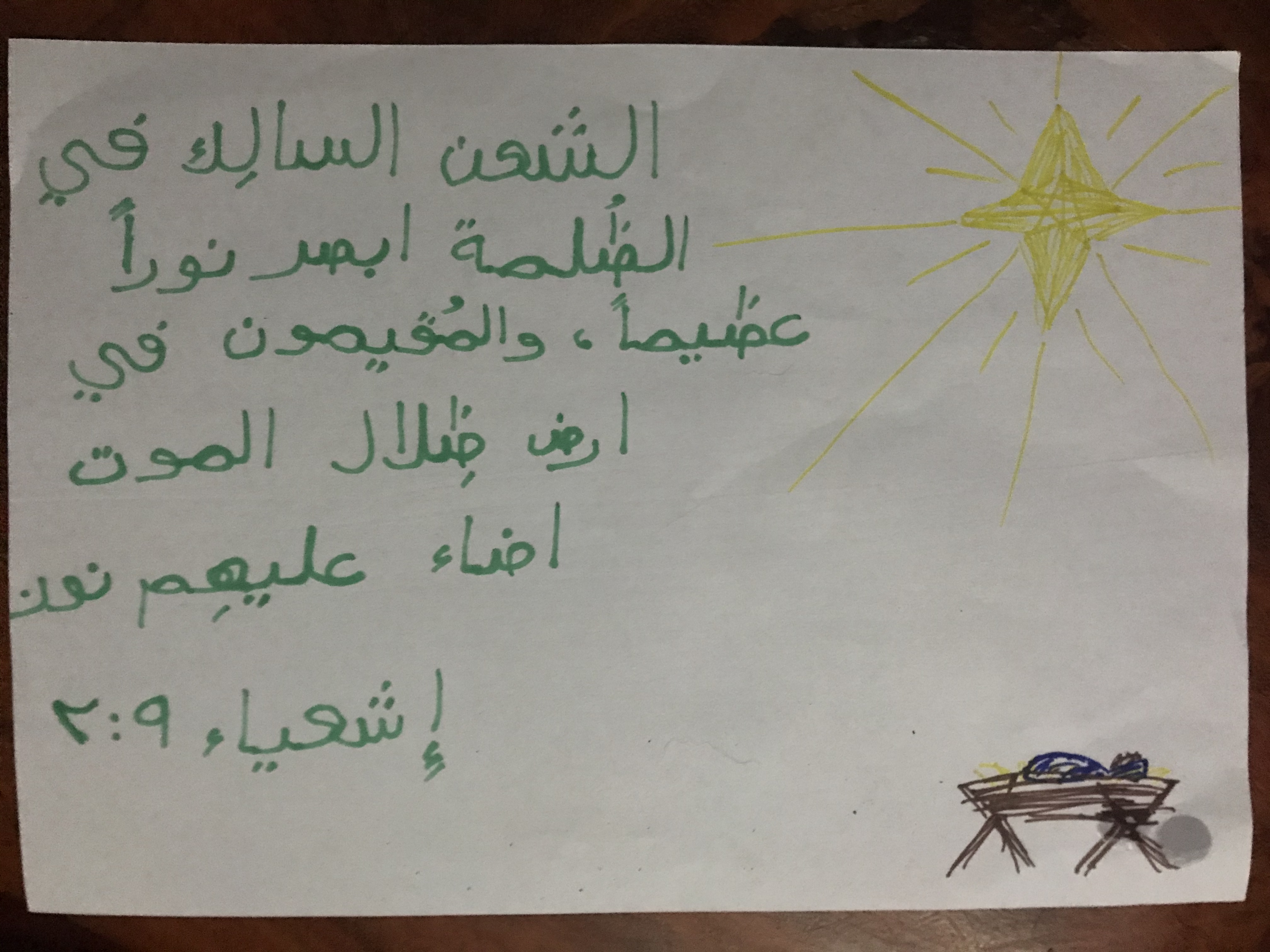
“The people walking in darkness have seen a great light; on those living in the land of deep darkness a light has dawned.” — Isaiah 9:2

Christ followers around the world celebrate advent because it teaches us to wait. As we wait for Christmas and imagine what it must have been like to live before our savior was born, we understand that the Christian does not wait passively. We hope. We prepare. We lament. We pray. We continue in daily faithfulness.

And this waiting—this numbering our days—teaches us holy habits. This season of anticipation for our savior’s birth trains our spiritual muscle memory to wait for our savior’s second coming in the same way.


This Christmas season has been a different one for me. I’ve spent Christmas overseas before: once for a brief visit in Cambodia and twice while I lived in Bulgaria. But my hot-climate Christmas was quickly followed by a return to the States and a wintry celebration back home with family. And my Bulgarian Christmases still surrounded me with snow, Christmas trees, carols, hot cocoa, and sweaters.

Christmas this year is on the equator, and the thriving palm tree just outside the front door dwarfs the fake Christmas tree just inside it. The only Christmas carols I’ve heard are the ones I played myself on the piano or from Spotify. I knew properly celebrating Christmas would take an extra effort when things feel so different, so I over-decorated and picked advent Bible readings to add to my normal quiet times. Little did I know how much my African context and regular readings in Kings would prepare my heart for advent all on their own.


I interact with refugees every day. Their heartbreaking situations are often normalized and mundane for me, but the heaviness slowly wears on you. It bows your back and puts a damper on your spirit. We talk about the hope of Christmas. I’ve shared my favorite Christmas verse from Isaiah about how a people walking in darkness will see a great light. But the reality is that I live in a land of lament among a people greatly acquainted with suffering. They carry with them an infectious ache for healing and a world made new. Deep in their spirits they yearn for great tidings of comfort and joy, and peace on earth to all mankind. Their longing for advent—for the savior’s coming—is not artificial or put on in any way.


Early in December I read 2 Kings chapter 7, which is a story from the siege of Israel. With Syrians at the gate and the last of the food gone days ago, the people were desperate. They ate donkeys’ heads, doves’ dung, even their own children. In that hopeless hour, God gave the people a sign to remind them he was with them: the next morning not only would the city have food staples they hadn’t seen in days, this food would sell for fractions of its normal price.

Sure enough, two outcasts with nothing to lose left the city that night to seek out the enemy camp. What they found was a ghost town. Provisions scattered, tents left standing, not a soul to be found. The Lord had frightened off the enemies with sounds of heavenly chariots. The men who found the camp gorged themselves on food and hid valuables they found free for the taking. But in the midst of their delirious joy, one had the presence of mind to say to the other, “What we’re doing is not right. This is a day of good news and we are keeping it to ourselves. If we wait until daylight, punishment will overtake us. Let’s go at once and report this to the royal palace.”

Those lines hit me like sack of flour. I decorate and celebrate Christmas in the midst of great darkness. I have good news! Great news of a savior born and a lost world saved, of comfort and joy, of hope for all mankind. Am I keeping it to myself? When the sun dawns and our savior comes back the second time, will I have shared this life-saving hope with the same conviction and urgency the men from the story shared their happy news with a starving people?

The truth is, refugees understand the waiting of advent, just like the men from the story did. They know what it feels like to wait for hope to come, straining their eyes to see from when or where help will arrive. They feel the world-weariness of the Israelites waiting for their savior, the Messiah, the Son of God.


An Arabic Christmas song I learned this year is about Emmanuel, God with us. We know our slow and haunting song, “O Come, O Come, Emmanuel,” and its words remind us of the pain and suffering God’s people endured while they waited, and the monumental task it was to keep their faith and hope alive in the prophecies God gave them to hold on to. But this Arabic song beautifully turns that idea to our African context.

Beautiful news on the earth,

It was the day He was born!

The Son of God, Emmanuel, the Lord’s redemption.

The sound of drums!

And angels cheering in the heavens!

And we below, full of need,

We wait for it…

The new covenant!


The song slowly builds and reminds us; now that our God has come, he will not leave us til the end. It expresses the ache with which we wait, the ache for the new covenant, for our God to be WITH us.

I have felt that ache this Christmas season. I’ve been reading 1 and 2 Kings, through seemingly endless cycles of kings who “did evil in the sight of the Lord” and “led Israel astray” or “caused Israel to sin.” As I read a collapsed version, generations of oppression, sin, and waiting pass in the turn of a page. The people dig themselves deeper and deeper into disobedience and suffering. As this horrible period spirals to its end, the people suffer each and every one of the covenant curses the Lord promised them should they stop following him and break his commands.

At the very end, a weary writer pens very matter-of-factly that the cities were captured. The people were carried off into exile away from their homeland. And all of this occurred because the people sinned against the Lord their God who had rescued them from Egypt. He had led them to the promised land and commanded them not to follow the religions of the people he drove out before them. But even so, the people built altars, temples, high places, and they worshipped the pagan gods and spirits. They broke the first covenant, turned away from God, and suffered their consequences.

I’ve simmered in these verses, these cycles of disobedience all December, just like a good Christmas apple cider simmers to take in all the flavors. I’ve felt the ache from the outside, the ache my refugee friends know so well. But I’ve also felt the ache from inside, from the inevitable brokenness sin leaves in its wake. Whether we live in exile or under oppression or just enslaved to sin in our lives, every human knows what it feels like to long for a new day, and new hope, a savior to swoop in out of nowhere to pull us out of the pit we’re in.

That is why we wait. Those are the emotions and the longing we feel leading up to Christmas as we wait not only to celebrate our savior’s birth, but for the righting of all wrongs that will happen when he comes a second time. As my heart yearned for a savior to lead us out of our mess, my advent readings led me to Luke 4:

[Jesus] went to Nazareth, where he had been brought up, and on the Sabbath day he went into the synagogue, as was his custom. He stood up to read, and the scroll of the prophet Isaiah was handed to him. Unrolling it, he found the place where it was written: “The Spirit of the Lord is on me, because he has anointed me to proclaim good news to the poor. He has sent me to proclaim freedom for the prisoners and recovery of sight for the blind, to set the oppressed free, to proclaim the year of the Lord’s favor.”

Then he rolled up the scroll, gave it back to the attendant and sat down. The eyes of everyone in the synagogue were fastened on him. He began by saying to them, “Today this scripture is fulfilled in your hearing.”

Those words of hope must have echoed in the silence of years of aching and waiting. This was good news indeed.

At the Border (between the old life and the new)

We stepped out of the car onto dirt packed hard by thousands of feet that should never have been there in the first place. Refugees are driven here in endless lines by war, and this was one of the first places their feet rested after fleeing Sudan and South Sudan. I had gotten in the car with little-to-no idea of where we were going or how far away it would be. We followed a UN car and listened the whole way to stories about Mama Salome, a Ugandan woman in the car ahead who cared fiercely for the refugees and often spent her days working with them here. They loved her. They unburdened themselves of their stories to her. The people respected her.

4BD6D455-652F-4ECA-A7B8-51B1550AD5FE

I knew we had arrived by the blue and white UNHCR tarps covering mud and stick structures. Those tarps are recognizable from a mile away. We hopped out of the car, steeling ourselves for what we were about to experience. This was a place on the border of Uganda and South Sudan, a place where thousands of refugees have been first received, processed, given identification cards and basic medical treatments, clothed, and sent on their way to live in the refugee settlements. This site was relatively new. It had been moved there from a location closer to the border. Sometimes stray bullets from the fighting had whizzed overhead. It wasn’t safe. But that word was relative to all the people crowded into this place—over a thousand people today, we were told. They had moved to a location farther than a stone’s throw from the border. And now they were here. I didn’t even know if ‘here’ had a name.


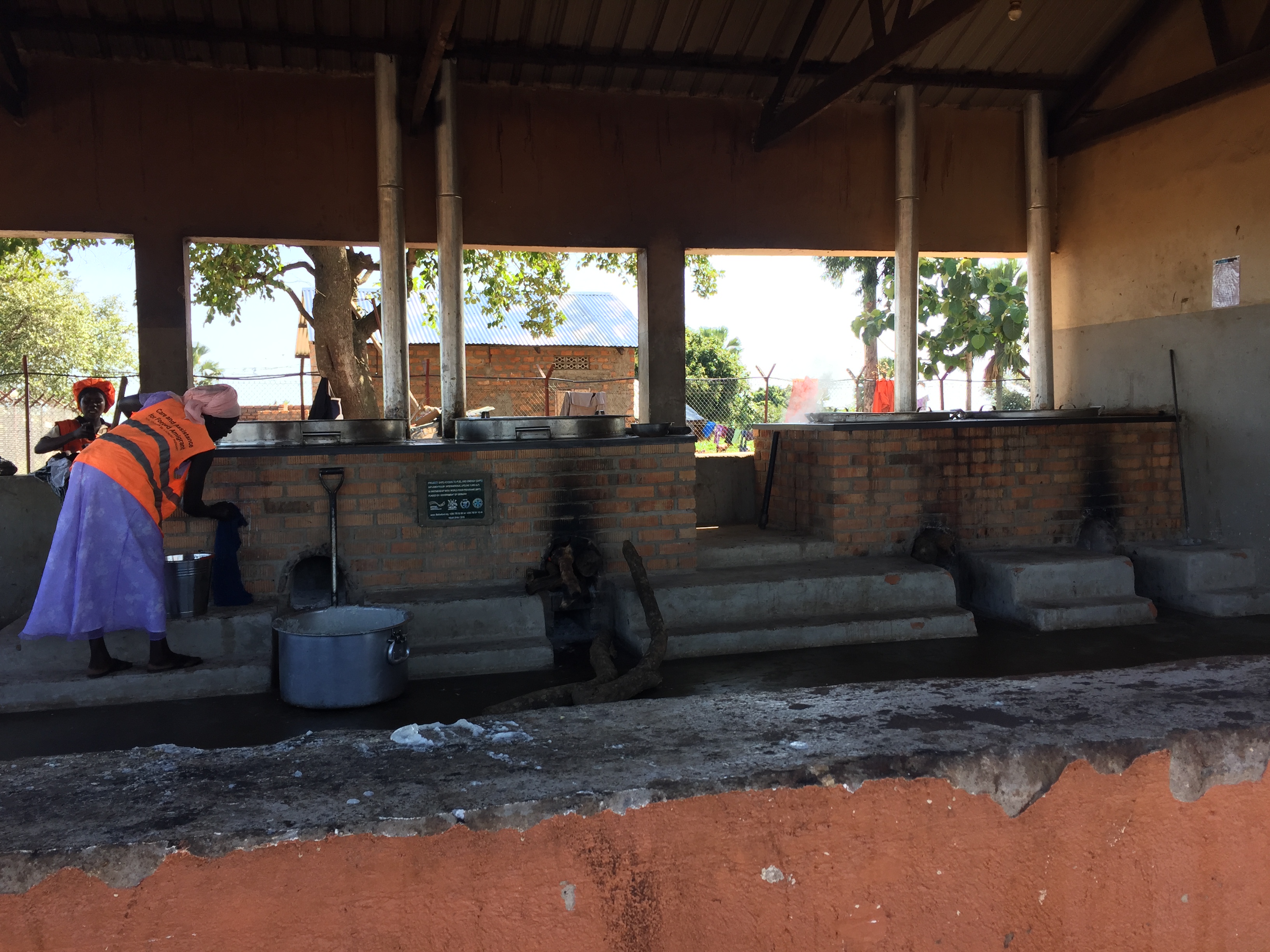
In some ways this place was nicer than the refugee camps themselves. There was a kitchen, with wood-fed brick ovens and gigantic pots for cooking huge quantities of rice, posho, or beans, to feed hundreds of starved figures. The water pump never ran dry, and it was only a few yards at most from anywhere on the compound, not miles like some of the water wells in the camps. Everyone was seen at least once by the medical staff. They were given clothing. Conditions can be harder for some once they are transported to their plots of land in the settlements.

24622115-9D12-4D33-9068-2257B7EE978445942124-1AE2-42F0-A0DC-918A4DBB8C9F

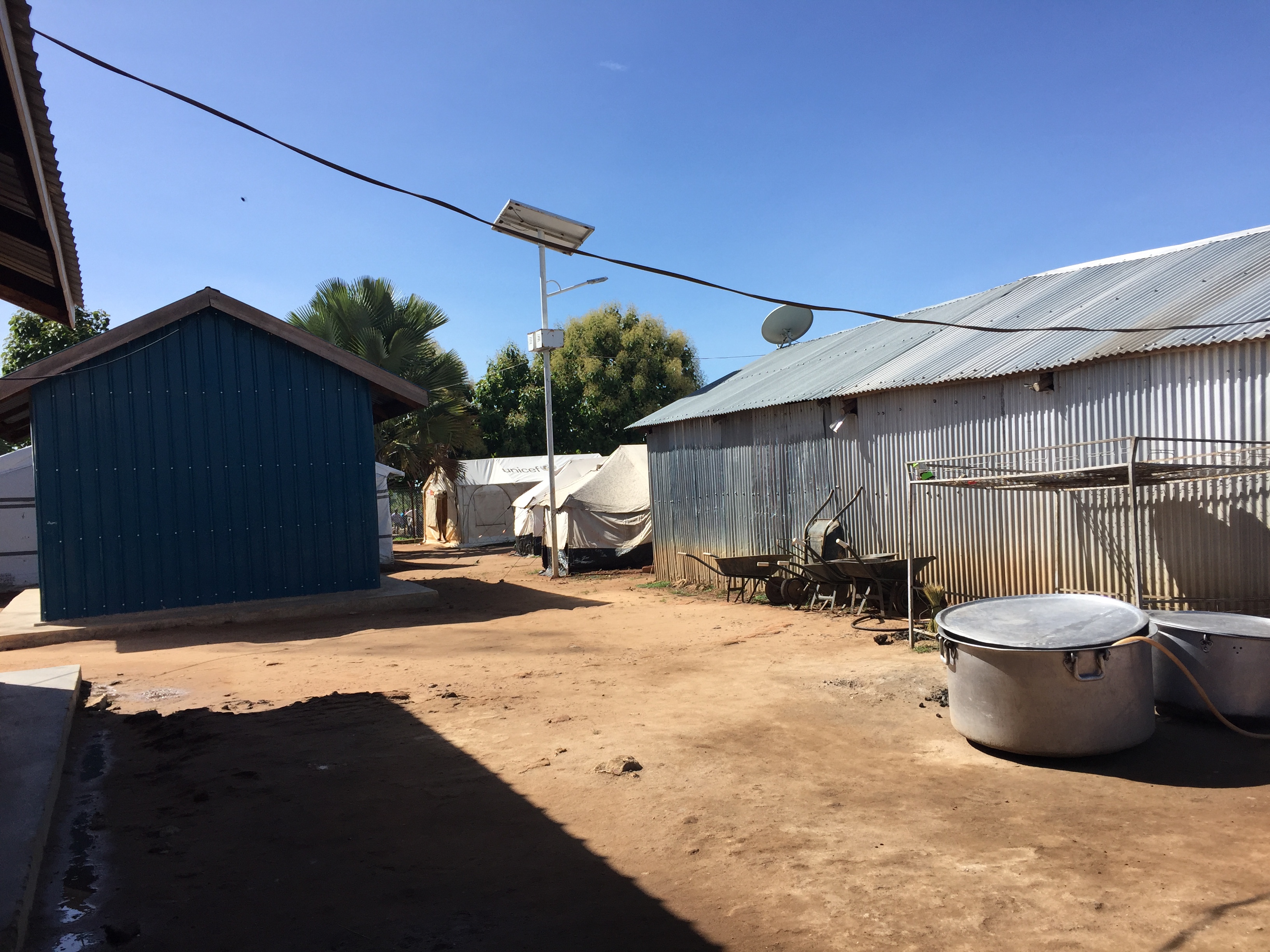
Next to the open-air industrial African kitchen, there was a protection house, completely walled up, floor to roof with sheet metal. That was odd for this area, where the roof usually sits a few inches above the walls to encourage a breeze to enter and bring some relief from the hot equator sun. Just recently, we were told, four Dinka women had to be hidden there. The Dinka are ethnically different from many of the other Sudanese refugees, and in their trauma and anger with no way to vent their emotions, the Dinka people can often become targets of aggression for the other Sudanese. The four Dinka women had to be locked into the protection house to keep them safe from the hundreds of new refugees who wanted to kill them. Police were called and they stood guard around the small building. But in calmer times, the protection house is a place for mothers to birth their babies. As if on cue a woman walked toward us from that direction, carefully holding a bundle of blankets. One of our people walked toward her with a smile, and at a returning smile from the mother, gently pulled back the bundle where a head should be. A days-old baby. The protection house had an apt name. It preserved life and brought it into the world, even here where lives had been treated so cheaply by the war that drove them away.


We walked deeper into the compound, toward a long, low building separated into three rooms. To enter the first, we squeezed past a line of people standing in the hot sun. They were all waiting to be sent inside, where they would receive small, yellow, crumpled pieces of paper. These papers were life and death. They had an identification number that registered a family and its members for basic human rights—healthcare, rations, water, a kit of items and tools to make a home in their new places at the camps.


We squeezed back out through the lines and this time I felt bold enough to look up at the faces around me. As I raised my head I noticed that my shoulders had unconsciously stooped in response to the sorrow of this place, and under the acknowledgement that the crowds parted for me without question because of the lack of color in my skin. But what really separated me from the people I brushed past? I had grown up in a different country, one not at war. It was the luck of the draw. These men, women, and children, they had lives before. Some had educations, they had homes and family traditions, they had all the members of their families at one time. And now here they were, with nothing to their name except the clothes on their backs. For some, even those clothes were alien. We knew that many times children who have been separated from their families would band together and come across the border in groups, naked and traumatized, after wandering through the bush. We’d brought two small bales of clothing with us today that we gathered in response to one such report of a thousand children coming across with no adult in sight. Today we learned that the men and the women would often come across naked too. Many had been forcibly stripped along the way, and they first came into Uganda without even the dignity of a shirt or a pair of pants.


Before I knew it, I’d followed our people into the second room. It had medical posters covering the walls, and the stench of illness in the air. Here everyone was checked for any records they may have of vaccinations and given what they lacked. They were tested for malnutrition or any other diseases they might be carrying and suffering under. Privacy screens hid the patients, and the room was quieter and felt more somber than any other we had been in. The next room in the row had only a waist-high wall on the side facing us. It was originally intended for a children’s play room, we were told. But because of the overflow of refugees, some slept in here. There were cartoonish posters on the wall, and bedrolls on the floor. My brain didn’t know what to make of what I was seeing, and at first impression the room reminded me of some bizarre, out-of-place church nursery.


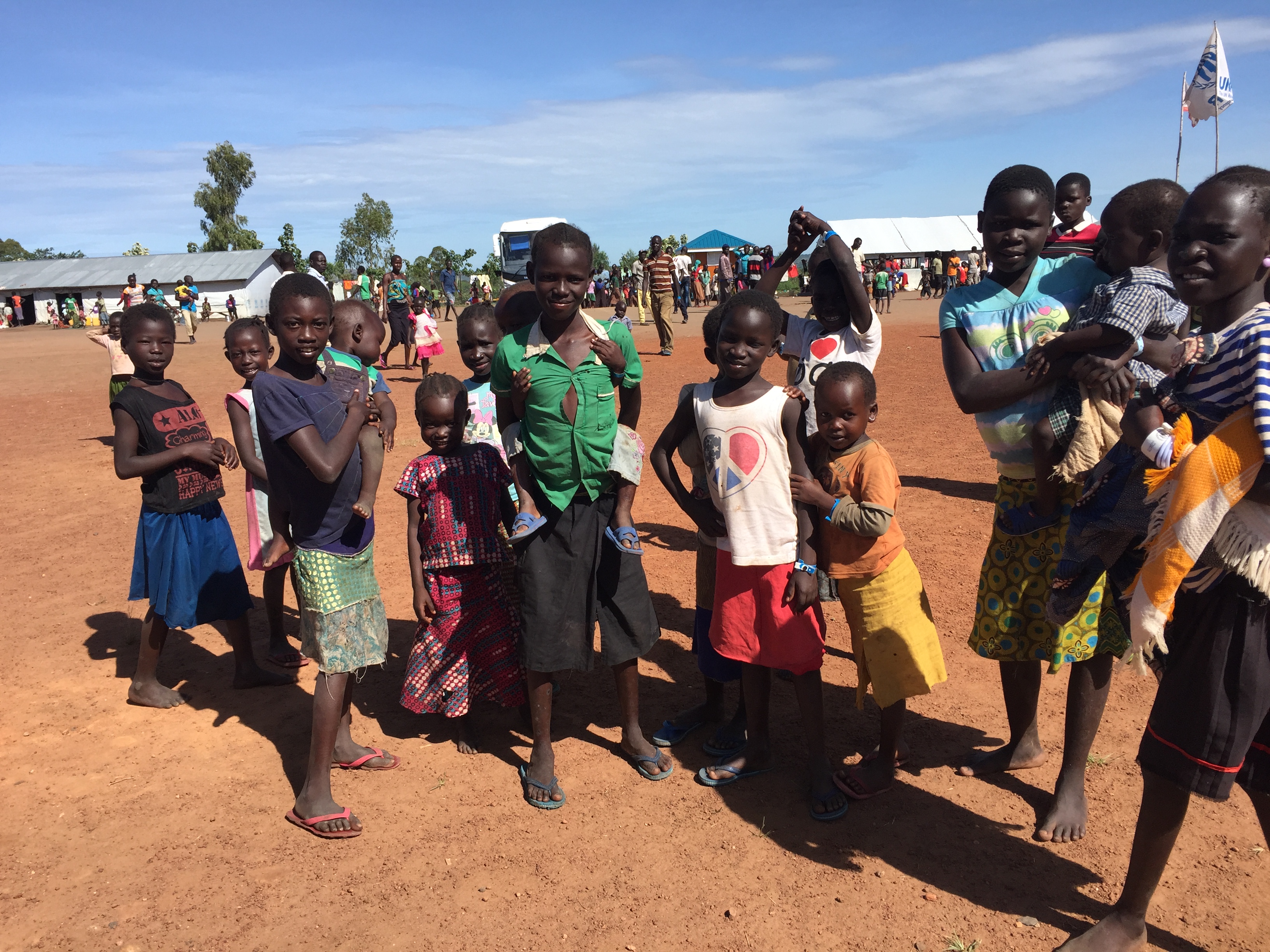
After the last of the rooms in the low building bordering the lot, we came out not far from a large bus. It looked like a charter bus, out of place here. This was the bus that took new families to the camps when they had been processed, either to Imvepi or Omugo where the openings are at the moment. Families stay here at this way-station for anywhere from 3 days to two weeks before they take that bus out. Our guides pointed out a warehouse-like building diagonal from us and perpendicular to the building we had just left. This is where the women and children slept. The men slept separate, all males over the age of 15, at the far end of the lot. We had seen the UN tarps draped and stretched over what must have been their sleeping quarters on our way in.


We walked back toward the kitchen area and the water pump, at the opposite side of the rectangular compound. The shock was wearing off some, so we started to use our stumbling Arabic to speak to people and say anything we could—we are praying for you, God bless you, what is your name, I like your smile. The urge to say something, anything, to these people—to remind them that we saw them as humans with names and needs—was so strong. We were starting to feel so small in the face of such need.


We followed our bales of clothes over to a flat area. Some of the workers had already laid out plastic mats and started to unpack and sort the clothes. It looked like a big Goodwill bin from America. In fact, some of these clothes might just have come from somewhere like that. We ooh-ed and ahh-ed over a tiny lavender dress with a sparkly tutu attached at the waist. We laughed as the workers raised a little boy’s costume shirt—soft green back, pale tan belly, and a ridged dinosaur tail handing off the center of the back. As the clothes were sorted, tables were brought for them to be laid out on in stacks of size and gender. The people began gathering in a crowd to save a spot in line for their children to have some clothes. We stood around and tried to strike up conversations.

C640FB97-57ED-45BD-95E6-62DEE64D838B

Even in this place so much life was happening. Some of the smiles made you forget where you were or what some of the people had been through. But there were always reminders of the displacement and the transient, perpetually uprooted lives these people led. We heard the bus engine crank and several heads looked up in dismay. Several tongues clicked disapproval and frustration. These men and women couldn’t leave the clothing distribution or they’d risk not getting clothes for their children. But I wondered how many had friends on that bus, or fellow travelers that they might not get to see again. And how many got to say goodbye before the bus left?


Some of the pairs of eyes were doggedly fixed on the ground, thinking of far-off events in far-off places. Many heads swiveled to look in our direction. They wanted to observe, to touch, to smile. Some of the braver tried out their English to greet us or ask us how we were. I found myself most of the time squatted down and talking to children, or smiling and tentatively sticking out my hand to greet them. The smallest ones are often afraid of our skin and don’t know how to respond. One little boy waved at me and flashed wide grin. I made my way over to him and his siblings to clasp his hand but his face immediately froze in fear and he hid behind big brother’s leg. I raised my gaze to the older siblings, “He’s afraid,” I said in Arabic. They giggled to confirm, and smiled at the familiar sounds in the words.


One lady sat on the ground embroidering one of the beautiful Sudanese sheets that are used for everything from bedspreads to seat throws to curtains. Hers was an elephant with gleaming white tusks, surrounded by abstract leaves and flowers, with maybe a few birds begun on the outer edges of the design. I tried to imagine how far that one piece of home had come with her, and where she’d managed to get the needle and embroidery floss. The bright lime green sheet somehow made even this clustered mass of people seem more homely. It was a piece of settled life. She proudly unknotted the edges to show us and model for a picture.

E2D81D92-4EA9-4950-ACEA-6E2EDDE7CCDE

I wandered off to another part of the mass of people. A small baby was crying hard. His head looked too big for his malnourished body. “He’s hot,” someone said with a knowing smile. No, “He’s sick,” said his mother. Rubbing his back turned into the back of a hand to his forehead, rubbing his head. His mother nursed him to calm him and his eyes closed for an untroubled second. He raised his tiny had to rest it on the arm rubbing his head.


I wandered off again, this time finding a mother with a welcoming smile. She held a baby and had two little ones circling her feet. Babies usually cry the loudest at my pale skin, but this one reached out for me. I offered my hand and he was fascinated with it. He held the fingers one at a time and would reach for it again if I ever thoughtlessly dropped it while trying to talk to his mother. The white skin on my palm looked almost luminous in that light, up next to his richly colored fingers. “What is that?” I asked in a high baby voice. “It’s white!” I said in Arabic, to the giggles of those clustered around. The crowd shifted and I said goodbye to this mother so she could move with them and not lose her place in line.


A man introduced himself to me, desperately trying to tell his story in English. He had a toddler boy with him, and his said his wife had a five-day old baby. It was hard to understand whether she was here in the camp, if she had passed, or if she was still in Sudan. As the man broke off the conversation to follow the shifting crowd, he said they were making it little by little. “Little by little,” I repeated in Arabic. His eyes brightened and his wiry body almost bounced with energy. “You speak Arabic?” he asked in his heart language. “Little by little,” I said with a sly smile. Later I saw him trying out his English on another of our group. The little toddler was escaping behind him toward the latrines. He was so intent on his conversation he hadn’t noticed until a group of mommas were almost yelling to get his attention. He sprang off after the little one as I turned my head with a smile.


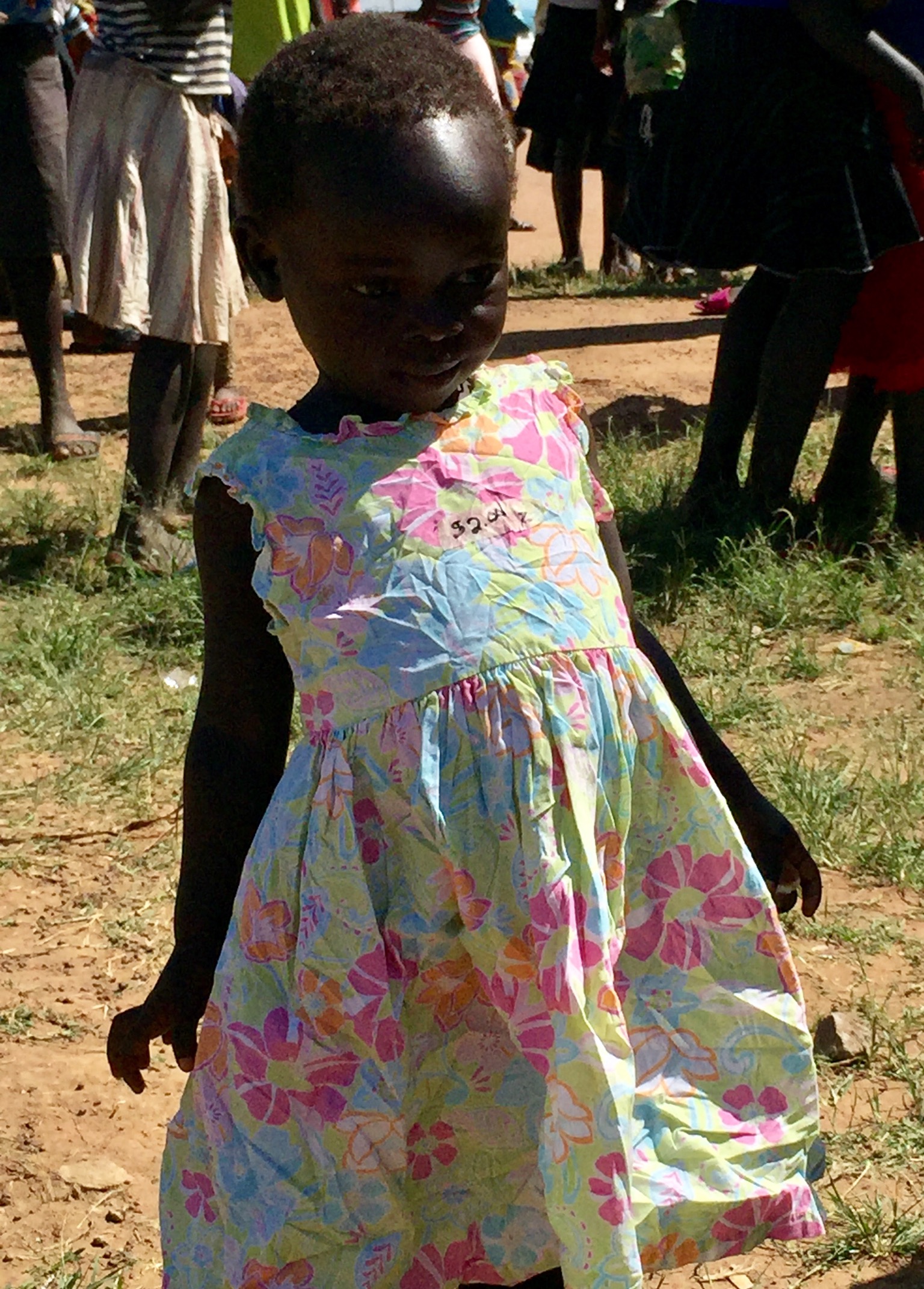
We waited around as some of the clothes were handed out. The mass of children who’d been pushed right in front of the tables by their parents was overwhelming. So many and so much need. My Arabic felt so insufficient, but I don’t think I would have had the words in any language to know what to say, how to comfort, how best to listen. As we were leaving one mother pushed her way through the crowd to show us her daughter, beaming in a new dress, posing for us. He mother looked on in pride and thanked us for the clothes. The little one let us take her picture before we said goodbye and walked to the car.

5EA9904C-701F-456D-AC80-52537E9EF372

We all crammed into the car and someone asked to pray before we left. I couldn’t. I couldn’t speak for a while. I’d kept the tears in until we were behind the closed doors of the car, but they came silently in waves for most of the trip home. Thoughts raced through my head quicker than I could sort them out. What can be done in the face of such deep, dehumanizing need? How can you help or encourage? Who was I to even think I had anything to offer to help, or that I could make a difference at all? Pray for my team and me in the coming days as we sort through what we experienced and brainstorm what to do and how to help in situations like these. Pray especially for Casey and me as we consider how to find a way to help, work with, or minister to some of the separated children that come through check-in stations like these and can be sent to the refugee camps without family to speak of, in prime positions for exploitation in many different forms.

State of the Union

The rasping caw of a crow woke me up. Repeated. Insistent. It drowned out or drove away the occasional calls of other birds until it was the only voice to be heard. I opened my eyes to sunlight streaming in through slats in the blinds. I couldn’t remember why my stomach was in knots. The continued cawing grated on my ears. The first word to form itself in my sleepy mind was harbinger. Crows in legends and folklore are often harbingers: they announce death, war, storm, judgment. I have a funny mind. Who else’s first word of the day is harbinger? I sat up and shook my funny head to clear it. I laughed at myself. It was just a crow. But he did remind my why my stomach was in knots, why I lay awake last night with pictures of refugees flashing through my mind in hijabs, in rubble, with hunger in their eyes.

I fell asleep heartbroken, considering the damage our new President can do with a few strokes of a pen. I fell asleep mulling over the lives he can change, for good or for bad, and hoping his lack of demonstrated compassion in the past would not set the course for the future. I had seen articles and headlines all day by sensationalist media outlets confirming liberals’ worst fears and oozing smugness from conservatives. I had believed those articles to be exaggerations, until I read about the executive orders President Trump was projected to sign, including ones that could disrupt families, take land from Native Americans to whom it belongs, and deny war-torn Arabs asylum in our country. I fell asleep thinking on these things. It was the refugees who captured most of my thoughts, and my last coherent reflection before sleep was of Joseph and a pregnant Mary, Middle Easterners turned away at the doors of inns, given no safe place for a birth, and then driven away by a murderous government with no qualms against killing infants. I fell asleep seeing those characters in the streets of modern day Aleppo, wondering what country they could escape to. Our welcoming statue of liberty may soon no longer be the beacon of hope and welcome it once was to people such as them.

For better or for worse, our country has elected a new president. I don’t mean to divide us any further than we already are. Check your hearts and get rid of any ‘I told you so’ or ‘serves them right.’ Don’t look at those caricatured in the media with disgust or superiority. Christian, whether you lean right or you lean left, there is no place for us now to sit on our blessed assurance and do nothing. We elected this man. 81% of us evangelicals voted for him, breaking records even back to Bush campaigns. This is on our shoulders. As of my writing, you can view the orders the president has signed here, and here’s a look at what he plans for refugees. They will change lives.

Like it or not, the President’s actions and signatures will change the lives of the vulnerable first—those who have no home, those who are in poverty, those who have barely learned English, those who are barely born or barely alive, those who have different-colored skin. Those people were the heart and soul of Jesus’ ministry, the people he modeled that his followers should care for first, last, longest, and hardest. Whether you’re comfortable calling those people the oppressed, or the least of these, or some other title, Jesus was on their side. He defended them when no one else would. He experienced their world, born as that refugee baby who had to flee the country for his live before he could even talk. Read the gospels. Let Jesus’ love for such people come alive and burn in your heart. Read the Old Testament, and the prophets. See how God was a father and provider to those who had no one to hear their case.

After the crow woke me up, I did just that. I read Psalm 115, and it soothed my roiling soul. You should read it too, and soak in its words. The psalm teaches that people ask where our God is, because they cannot see him. It teaches that in His place some worship mute, blind, deaf, powerless idols they have made. They worship these things they have made, and they become like them. But the people who fear the Lord will be blessed by him; he will cause them to flourish. Perhaps our evangelicalism wants to flourish more than it wants to fear the Lord. So we fashion a God with our own hands who gives us cultural power and lets us feel politically secure. We fashion him and we worship him in our search for shalom, and as we strive to flourish, we no longer fear the true Lord, the Lord who crushes nations who neglect the powerless and poor and hungry. Perhaps we become more like this false god we have created, so when his prophet preaches peace for evangelicals and economic comfort, we vote him the leader of our nation, all the while forgetting that our help should come from the Lord, not from the white house.

I mean to be gentle with you, brothers and sisters, but I also mean to speak truth. And I don’t point a finger without recognizing my own faults. This post was originally meant to be a sort of ‘state of the union’ after spending a year back in my home country. I meant to examine how I had adjusted back home. But I realized when that crow woke me up that an actual state of the union, about the state of those united in Christ in our country, would be more appropriate. I’ve realized in this year back that I’m still in a foreign country. I was away when our new president first announced his campaign, and when news reached me I laughed because it could not be true. While I was away, I learned deeply of the sin in my own heart, and how pervasive, invisible, and abhorrent it could be. I came back home to the States to find myself in a foreign country, but I realized it felt so different because I am what’s foreign now. Just as I had learned to see more sin in myself, my distance had given me eyes to see it in my people and, like Nehemiah, to cry out for the sins of my people as my own.

My freshly foreign eyes have helped me to see the division and fear that pervade our country. We’re afraid of marches, we’re afraid of our President, we’re afraid for our safety, and we’re afraid of our neighbors. But Christian, it is in times like these when our light shines the brightest, because we follow and serve the light of the world, the light of all mankind that darkness cannot overcome. The only thing capable of replacing this paralyzing fear is faith. And that may be the only thing we have to give our nation right now. Our faith redeems us as well as others, and it leads to a love like Jesus’. There is no fear in that love because perfect love drives out fear.

Ultimately, if we do fear the Lord as he is rather than cherish the cultural Christianity we created, our weapon is not the government, but faith which blooms to love and drives out fear. We are to love our neighbor, and that includes the ones who marched on Washington. That includes the neighbors who are starving or illegal or want abortion rights or don’t fit our ideas of sexual orientation. If you don’t know any of these people, they’re your neighbors, and they’re afraid. Get to know them. Do something. Peer into their eyes and acknowledge you are just as broken and fearful and sinful as they. Ask them why they feel the way they do. Listen, don’t just hear.

In an excellent speech, which you should also read, here, Richard John Neuhaus explains what loving our neighbor and valuing their dignity looks like. As this presidency carries on, we should live by his words; they embody the ethic Jesus himself lived, which seems in very short supply these days.

“We contend relentlessly for the dignity of the human person, created in the image and likeness of God, destined from eternity for eternity—every human person, no matter how weak or how strong, no matter how young or how old, no matter how productive or how burdensome, no matter how welcome or inconvenient. Nobody is a nobody; nobody is unwanted. All are wanted by God, and therefore to be respected, protected, and cherished by us.”

Neuhaus’ repeated refrain is, “we shall not weary, we shall not rest,” not until every life created in the image of God is valued every step of the way from womb to tomb. If we think a life well-lived is healthy, stable, surrounded by family, economically secure, and filled with a productive career, and if we think any less of people who do not have those things, we are not pro-life. We do not value the dignity of a life so-lived. Not really.

If we do not value just as highly the lives of those we disagree with most strongly, we do not value the image of God. We do not value the image of God if we do not look for it in the faces of the women who marched on Washington for all their various reasons. We do not value the image of God if we do not look for it covered in skin of all different shades. We do not value the image of God if we do not look for it at all economic levels and among people whose convictions vary widely from ours. Each human who ever lived eternally carries this image of God. Christian, serve them. Meet their needs. Listen to them when you don’t understand or you think their views are extreme. Get to know their lives and why they believe the things they do. Point each human to Christ. Love each human. Each. Human. Make that your crusade, and I’ll march along with you. Value the lives our governments and churches don’t. Let us treat those lives with dignity and with our own hands make up for the hurt caused by a pen wielded by a man in a suit. In that pursuit of liberty and justice for all, we shall not weary, and we shall not rest.

Christmas through the Eyes of a Wanderer

I have heard the Christmas story more times than I can count. I have not told the story quite as many times, but I can almost quote the Luke 2 version in King James verbatim, and within the next month I will tell the story quite a few more times. But this year the story sounds different. You see, this is will be my first Christmas away from home.

One of the things I’ve learned about stories is that, as hard as we try, we still tell and interpret them based off of our own setting. I know that the Israelites wandered in the desert and I know it must have been awful for them, but having never been to a desert myself without air-conditioning, I can’t very easily understand what it must have felt like. The Christmas story is the same way. We are used to hearing it from a cushy pew or curled up at home in Christmas pajamas, maybe sipping hot cocoa or picking up scattered bits of wrapping paper. I have always heard the story in the context of home—with people and places I know, traditions, predictability, and familiarity.

But nothing was familiar about the first Christmas, and nothing was homely. All of the characters would have been traveling, scared, and not anywhere close to home. Mary and Joseph were barely married, and they had been ordered to travel to a village they had never been to before. Mary was pregnant, uncomfortable, and in pain, yet she had to walk or ride on a donkey for long stretches at a time. Joseph would have had no idea where he was going—they didn’t pick out a hospital beforehand where Jesus would be born. And when they finally got to Bethlehem, Mary didn’t know she would birth her savior in a stable with animals and dung-ridden hay. She didn’t have a midwife or any of her relatives to attend her first birth. Nothing would have been as she expected.

And what about the shepherds? And the Magi? The Magi weren’t at Jesus’ birth but they arrived at the small family’s house after what could have been months of traveling through the desert on sweaty, smelly camels. And the shepherds were outside at night. Maybe it was cold. Maybe they were hungry. Whatever the case, they weren’t huddled with their family in front of a fireplace sipping cider.

The truth is, no one was home for the first Christmas. Maybe it was 23 hours on a plane headed to a country with a language and culture I’m not familiar to make me realize that truth. But now I understand that no one was comfortable; no one knew what was going on; and no one was around the familiar. The Christmas story, then, is not necessarily for people who are home. It is for people who wander—for people who are lost. And that is who I am going to share this beautiful story with. Please lift me up to the Father. That, more than anything else helps my team and me to have these kinds of opportunities.

Update: We all arrived safely with no missing baggage or delayed flights. They were long flights, but we were well taken care of. We’ll sleep tonight and wake up in the morning and head to the village. This will be a lot of language and culture learning for us so that we are sensitive to the people and how best to share our stories with them. We will be visiting churches and connections that we know, but we will have many opportunities to story. I’ll be telling the Christmas story to kids with candy canes, and we’ll have plenty of opportunities to share the One Story of our Book and our own personal stories of our relationship to Father.