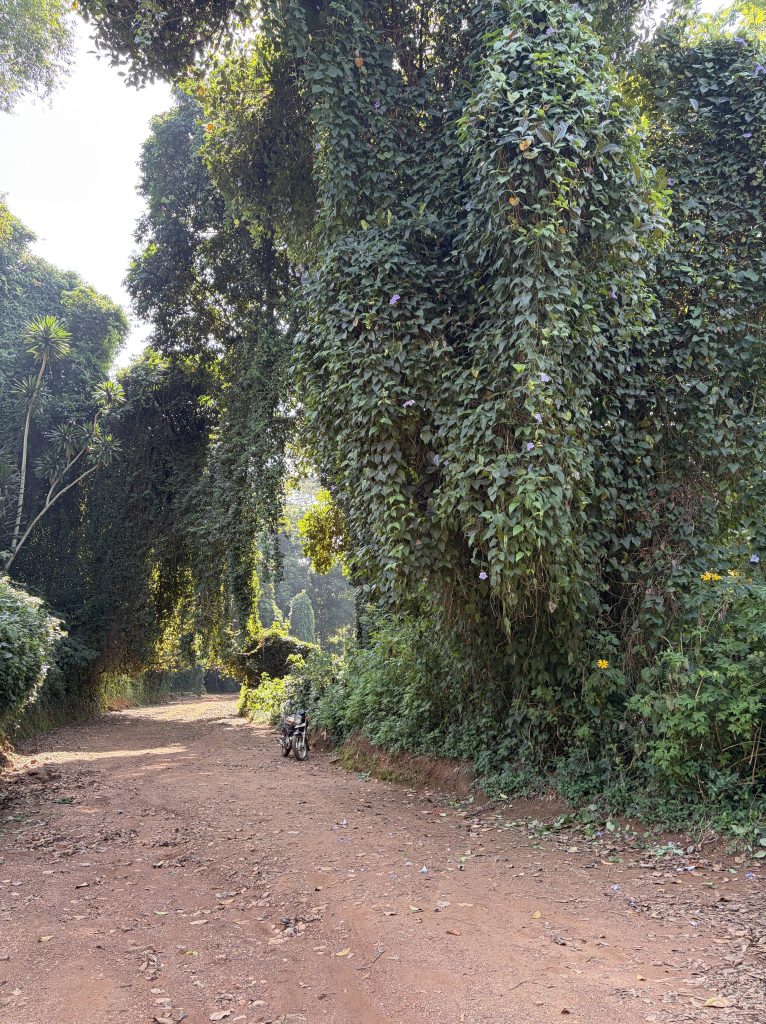
Tag: sabbath

Prayerful Imagination

What is prayer? 

When we ask something from God: forgiveness, strength, healing, salvation? When we tell God something: our praise, thanks, sins, weaknesses, brokenheartedness, anger, doubts? When we listen to God? By reading Scripture and looking for where our circumstances line up with it, like a key sliding into a lock? By waiting in silence? 

When the disciples ask Jesus to teach them to pray, he offers the Lord’s prayer, which acknowledges and praises God for his character, asks for understanding and forgiveness, and requests needs be met, and strength and protection be given. But Jesus also tells them stories and gives them pictures to explain prayer. It’s more than a persistent widow whose request is granted after she doesn’t give up asking. It’s more than waking a friend up at night to give you what you need so he can go back to sleep. It’s more than a father giving his son a fish instead of a snake out of love. It is God giving his Spirit when we ask. It is knocking on a door so it will open. It is “ask and it will be given,” and “seek and you will find.”

But the rest of Scripture also teaches us that this communication with God can be lament—crying out to God to express our grief or doubts or pain. It can be wordless groans only the Spirit understands, because we don’t know what to say or do. It can be spoken blessings or curses, asking God to make our words true or, in the way that eternity bends time, for our words to express what God has already made true. Prayer can be a vision with vivid images and drama. It can be a beautiful work of ark that expresses awe of God and wonder at what he has done or made. It can be a memory, or a story, or a memorial or monument that retells what God has done in the past and trains our hearts and minds to remember his character. 

Prayer can be an anointing and public declaration; it can be a healing touch for someone sick or broken; it can be incense burnt or a sacrifice made in thanks or as a request. A liturgy. A song. A chant. A promise. A prophecy. A ceremony. A poem. A thankful rest. A dance before God with all our might. The Bible offers all of these as part of ongoing conversation with God. 

Prayer is a many-faced communication with God, not only words someone drones with too many syllables and old vocabulary while everyone’s eyes are closed. I think sometimes we forget these more creative forms of prayer, and how much they can involve our bodies and imaginations. They can be a lifeline of communication when we’re sick or have trouble with words, or when something besides a traditional prayer simply better communicates our thoughts or emotions or helps us listen to God.  I’ve written before about how I lamented by kneading dough and baking, and how the Old Testament offers some more physical practices to embody many different spiritual disciplines. More recently though, I’ve been considering these different forms of prayer. 

My last few months of prayer have been newly shaped by a trio of poets—one a poet farmer, one a legend-telling priest-poet, and one a therapist poet from a hospital bed. All have reminded me about a holy imagination, or a baptized imagination, in their own ways. 

Wendell Berry just received his final Sabbath rest. He has taught me how work and rest, community and place, and humor and earnestness can shape my imagination and frame my mind so that many daily acts can be prayer: appreciating creatures and growing things, silent contemplation in a field or forest, making and sharing a meal, deepening a friendship, remembering a heritage. For a mind and body that follow Jesus, these acts of obedience and awe and mutuality make us members of a community upheld and held together by God’s love. And each act can receive and return that love as a sort of worshipful prayer that weaves us together by acknowledging the God who gave us the love and the people and the place in the first place. 

Malcolm Guite recently wrote ballads about King Arthur. His musings about the stories and their spiritual depth reminded me that sometimes symbols, images, and mythologies play the deep chords of our history and identity. If our imagination has been baptized by the Holy Spirit and framed by God’s Word, those legends and symbols can proclaim truth that braids our identity and history up with the Great Storyteller’s stories. God loves to layer the same themes in our lives and the Bible’s stories and redemption history. Those symbolic images or imaginings from our favorite stories, Guite explains, are windows that beckon us to look through them to see redemptive meaning. The holy grail, Joseph’s cup in his brother’s sack, the cups taken from the Temple and defiled when Israel went into exile, a cup of God’s wrath, our communion cups on Sundays, Jesus’ wine at the last supper, the vinegar he was offered on the cross, a glass we raise as a toast, a horn of plenty, the widow’s oil that never ran out, a spring of living water that overflows to abundant life, Lucy’s healing cordial in the Chronicles of Narnia, a wizard’s magic goblet in a story—all are windows that ask us to look through them to see the truth of spilled blood that revives us, a crushed grape that gives joy, a holy death that gives holy life. These symbols and so many more in our baptized imaginations can be prayers, pictures of truth that communicate between us and God. 

K. J. Ramsey has reminded me that prayer can be poetry, imagination, and noticing small alignments of humor or kindness or circumstance that all speak to God’s love holding us up. When she has been too sick to think clearly, her prayers have been poems; visual collages as little memorials; using a gift while remembering the giver with gratitude; yearning toward and holding up someone you wish for God to be with; imagining those nearly invisible lines of connection or circumstance that give meaning or solidarity or symbolism. Her prayers notice love that ultimately comes from God, weaving in and around and through us and holding us up, giving us hope and strength, and welcoming joy and sorrow with both hands. Here again, a holy imagination furnishes everyday objects and sometimes unexpected images to give form to our prayers. If God showed the biblical prophets women in flying baskets, giant wheels of fire in the sky, valleys of bones that knit back together, colored horses, and dragons, then K. J.’s mycelial webs of joy and collages of mushrooms and medical paraphernalia are tame by comparison. When our prayers are breathed by the Spirit and framed by what God says in his word, then hoping with and holding up someone in our imagination is as much a prayer as any other.   


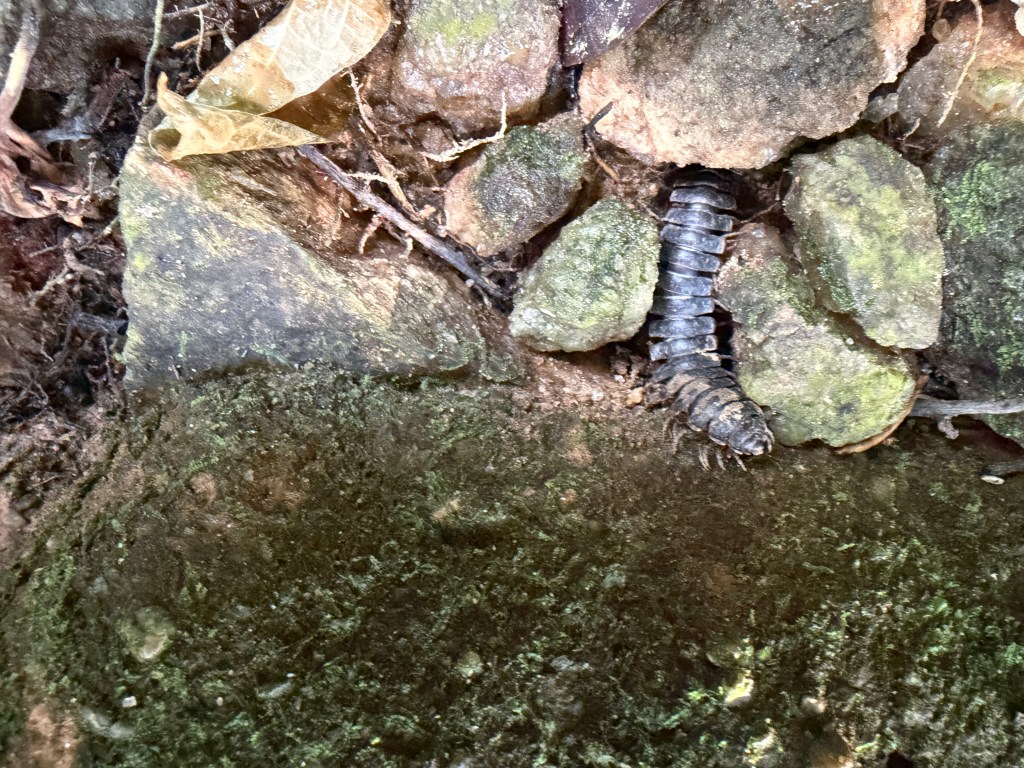
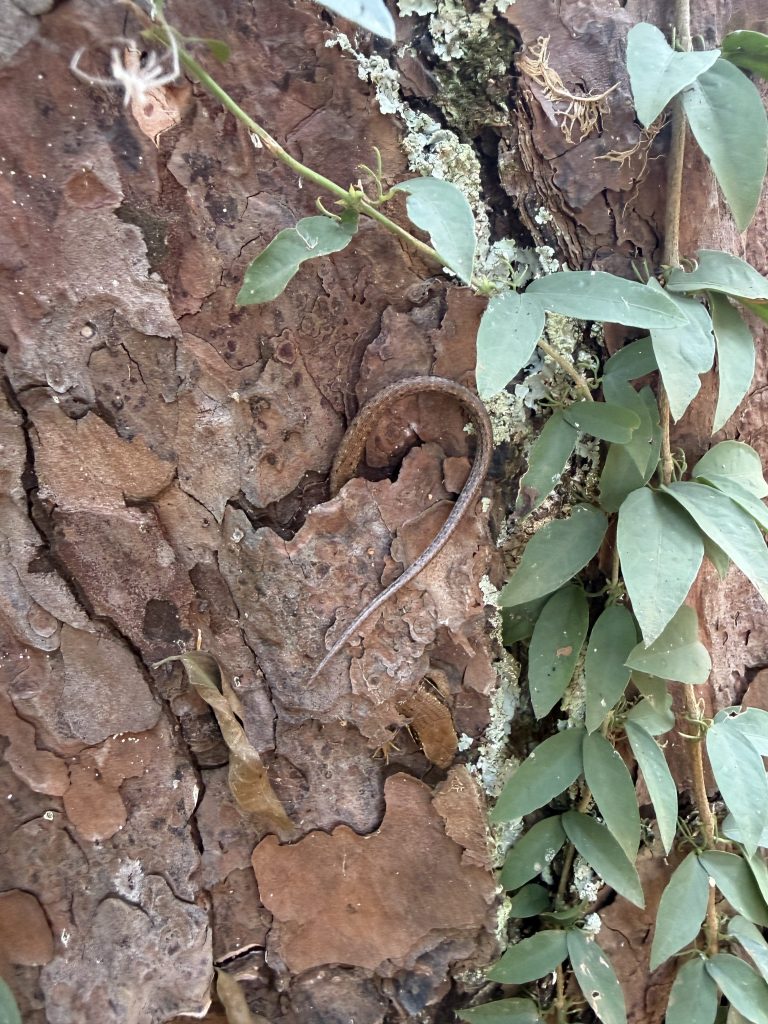
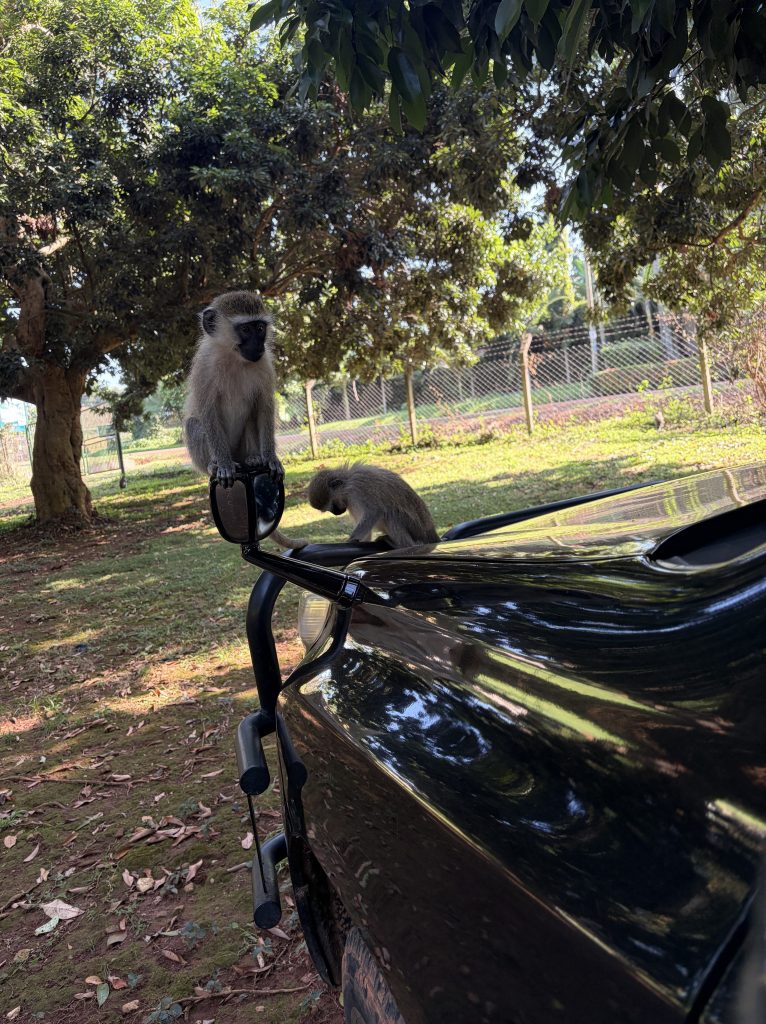
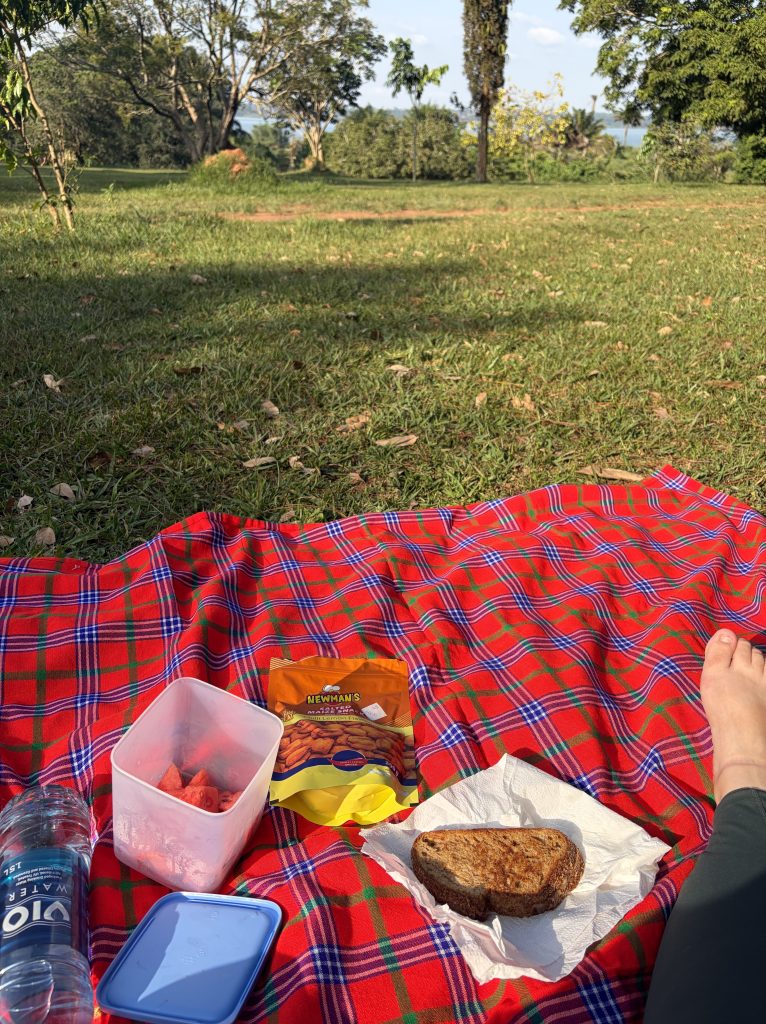
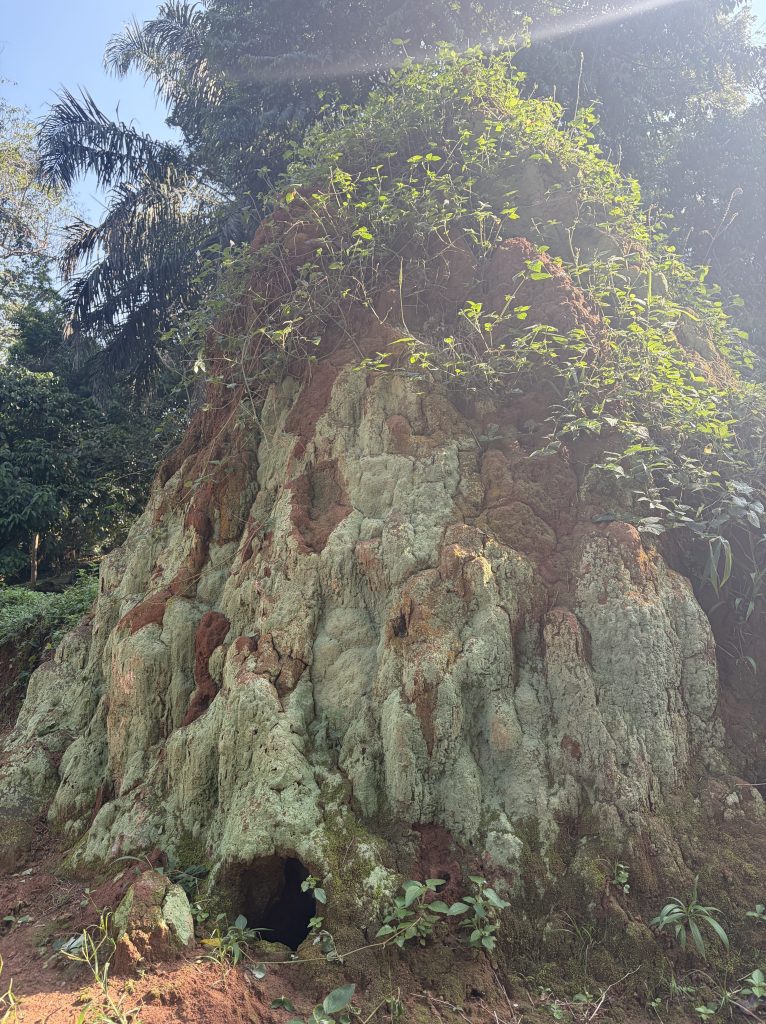
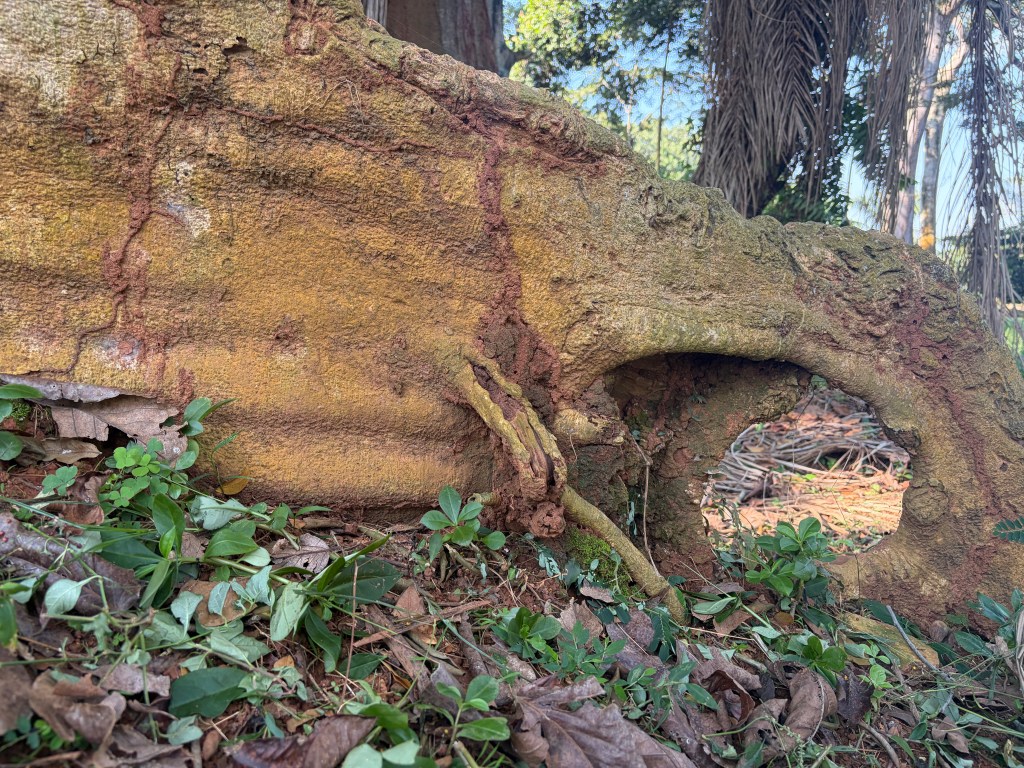
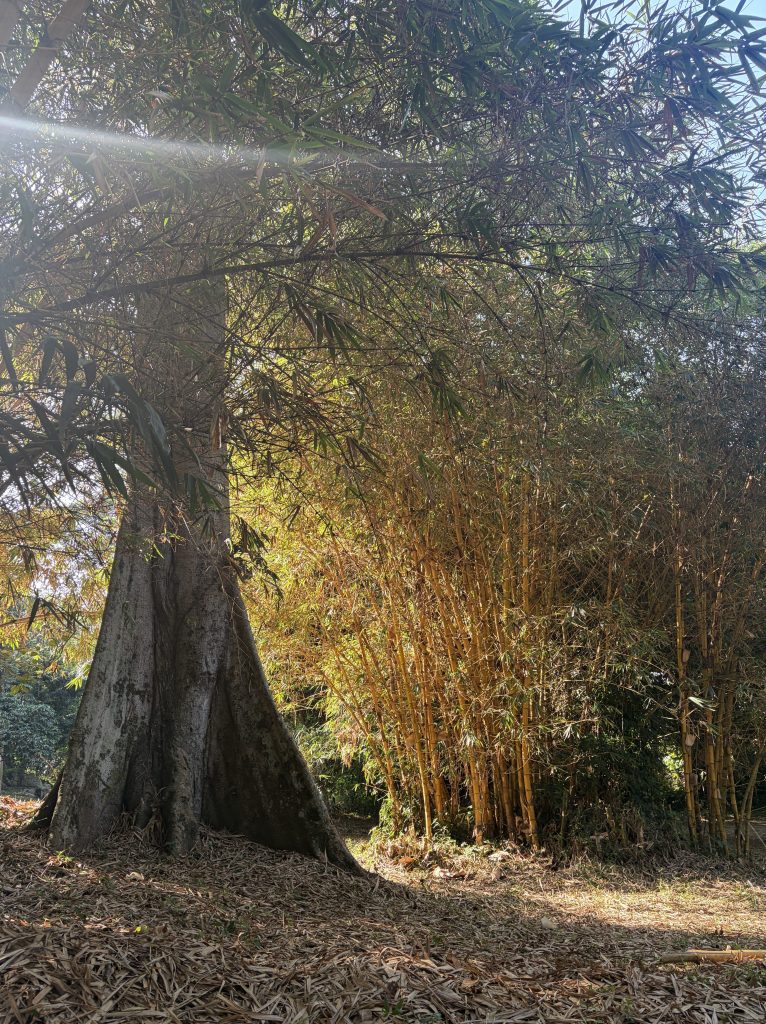
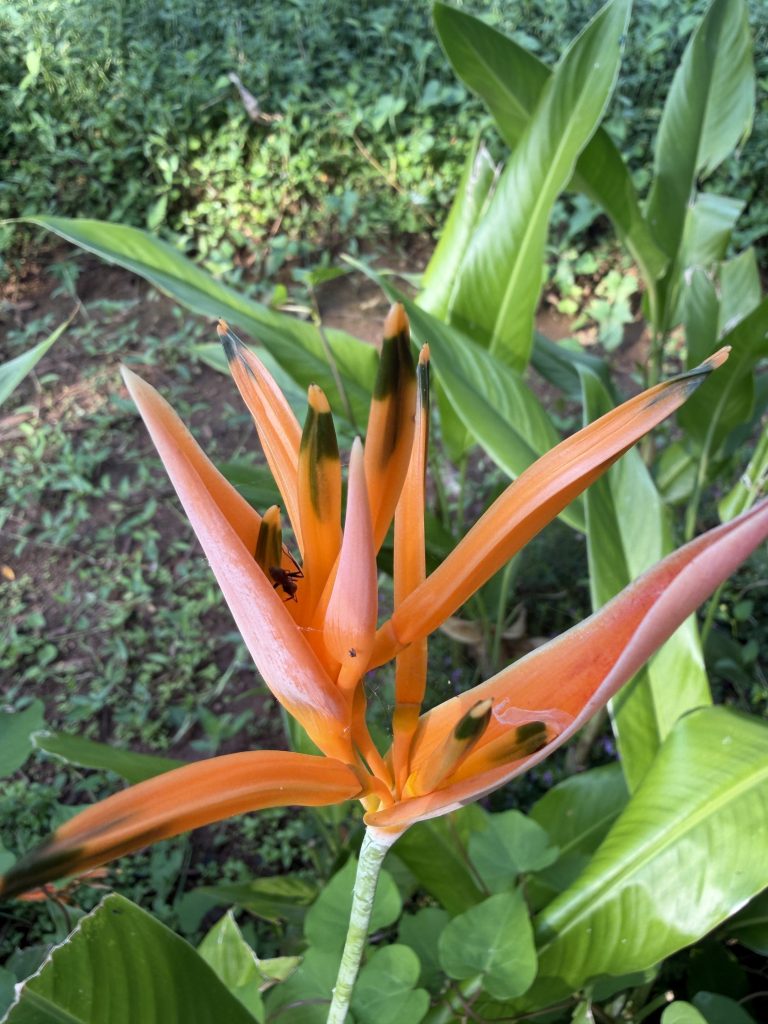
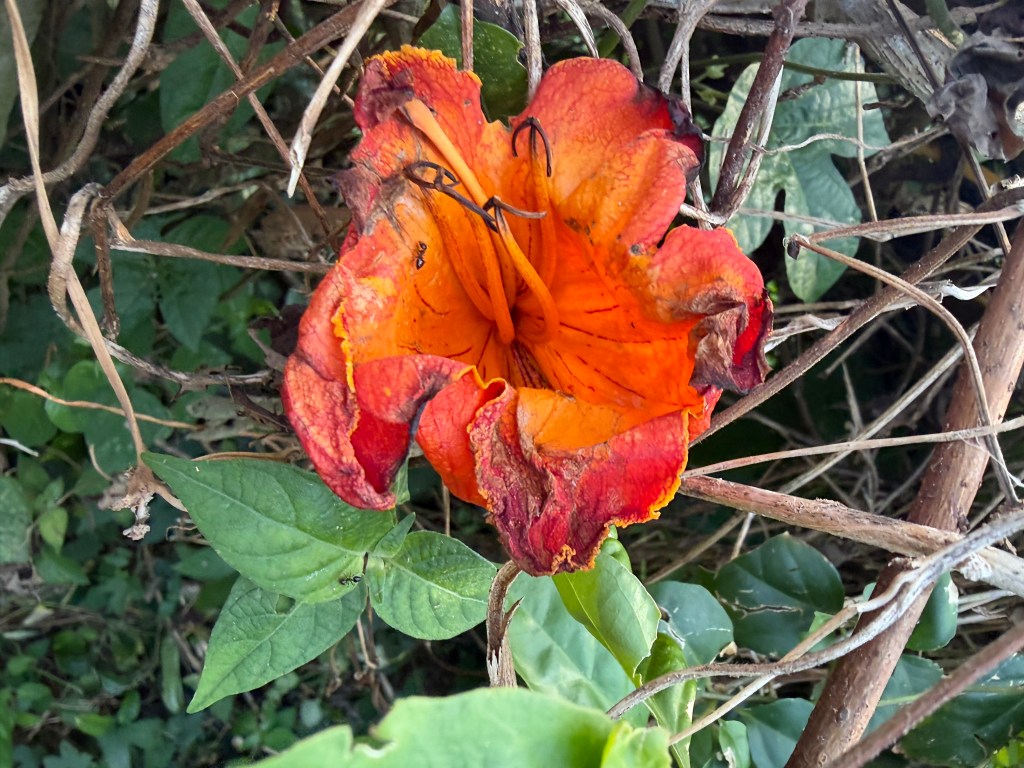
I took a spiritual retreat early this summer, and I practiced prayer in many of these ways. I took walks full of fascination for creation and the Creator. I created beautiful and delicious food thinking about the Bread of Life and the Living Water and Eden’s Gardener who made and grew my grains and fruits and vegetables. I practiced Sabbath silence and rest and solitude. I listened to birdsong, giggled at the gift of sun on my skin. I exercised, prayed with my steps, wrote stories from life in my prayer journal, meditatively collected tokens of life and death from a green and flourishing world around me. I laughed at funny-shaped flowers and brash monkeys and the silliness of birds. I appreciated good stories I read and watched and listened to, and the likeness of their characters and symbols to those in our Christian canon. In my imagination baptized by my Savior, these acts of noticing and standing in awe and meditating and appreciating and being—they were all part of a prayerful conversation with God.

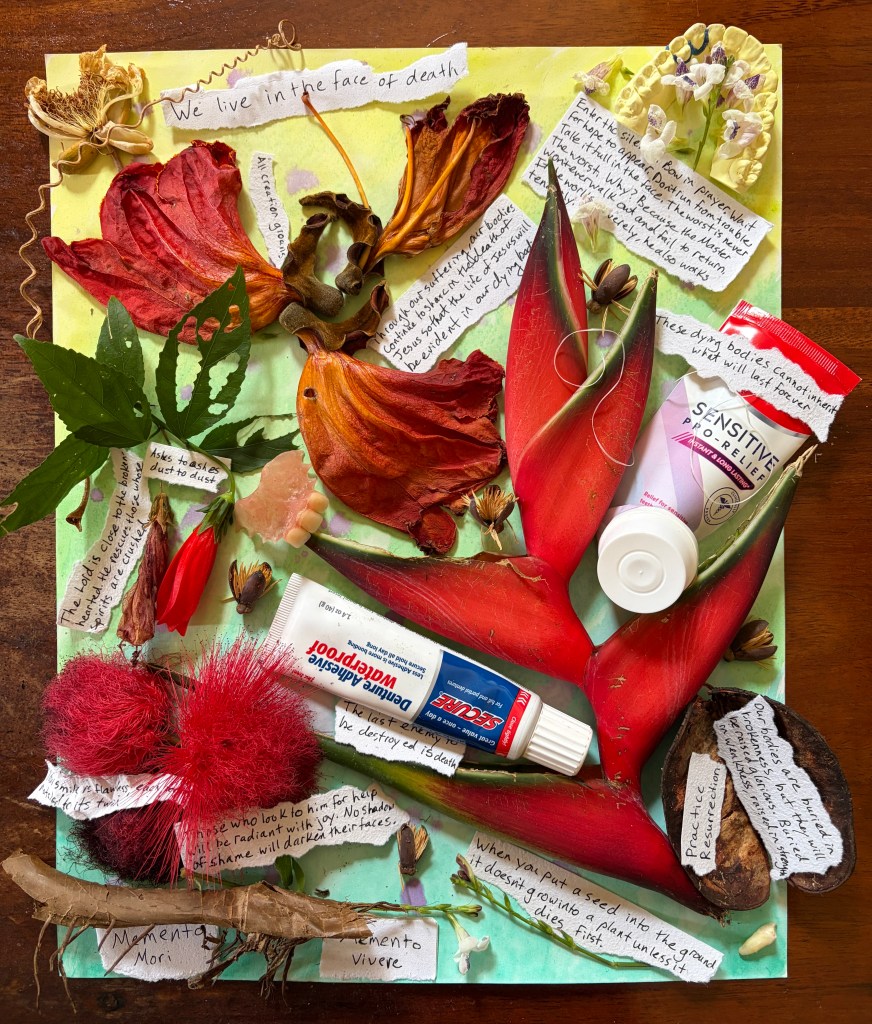
I practiced visual arts by gathering and arranging. Like KJ taught me, I contemplated sickness and health, life and death, lament and joy by making a collage of what I had collected and thought over several days. I lamented the death I felt in my body still broken in some ways from a ladder fall two years ago. But I also joyed in the abundant life God brought through that death, and how all creation groans with me as we wait expectantly, imagining when all things will be made new. And like Wendell Berry taught me, I practiced resurrection, remembering that my body and the creatures and creation around me will still be recognizable and even more wholly ourselves when God finally renews us.  


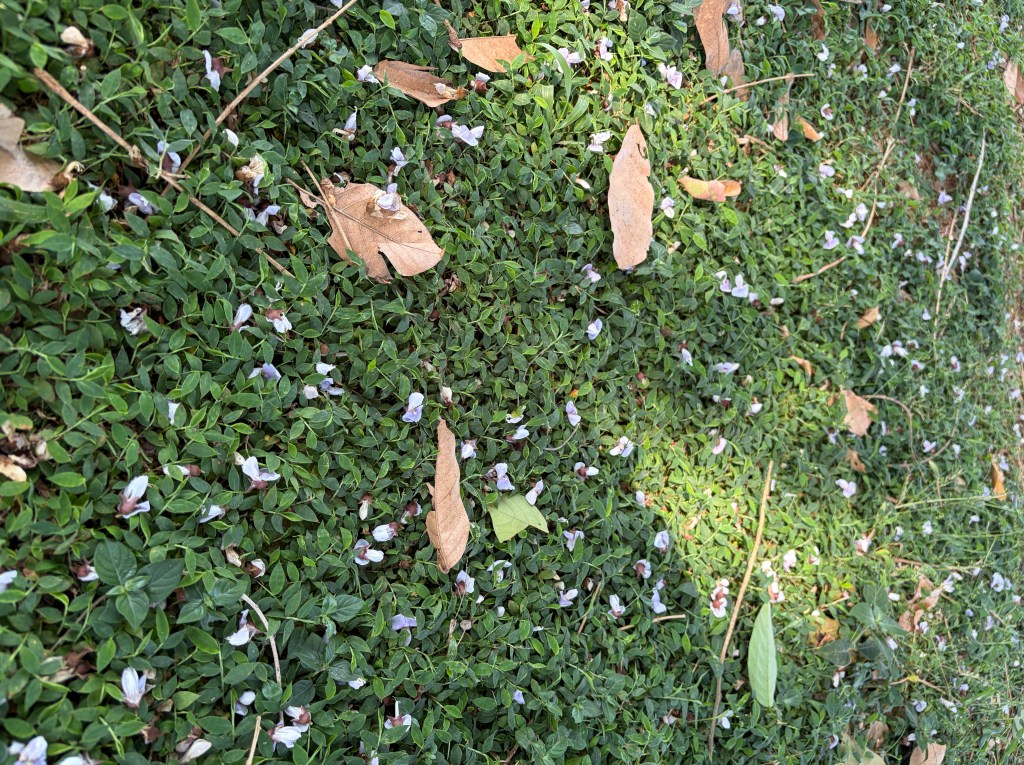
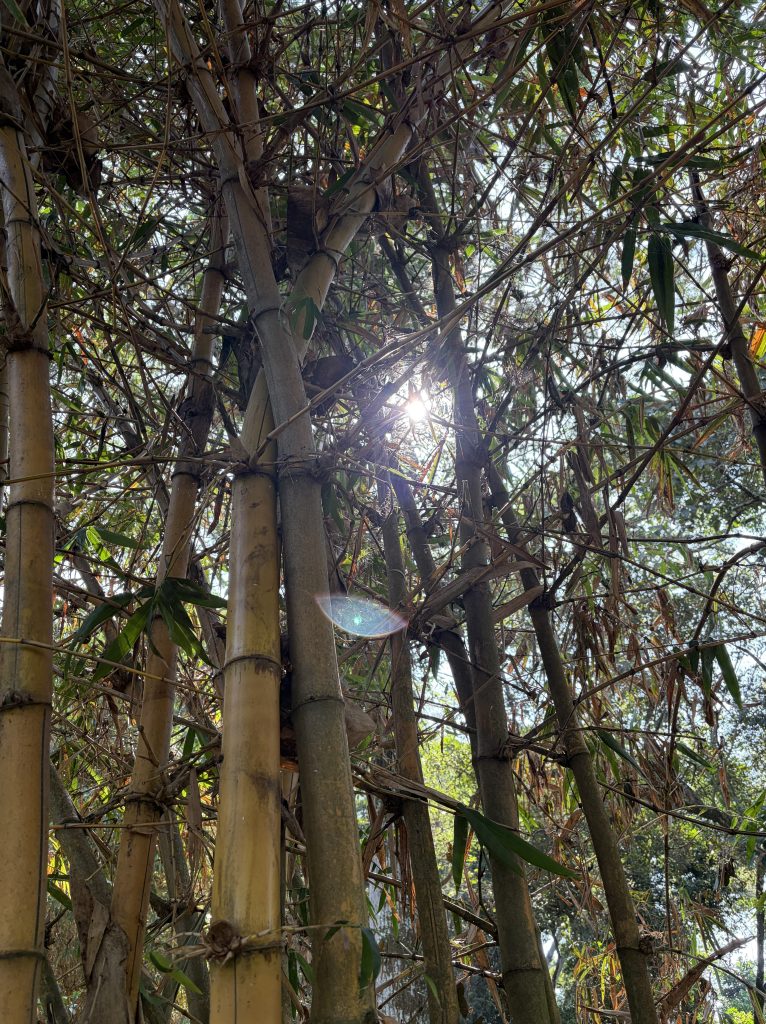
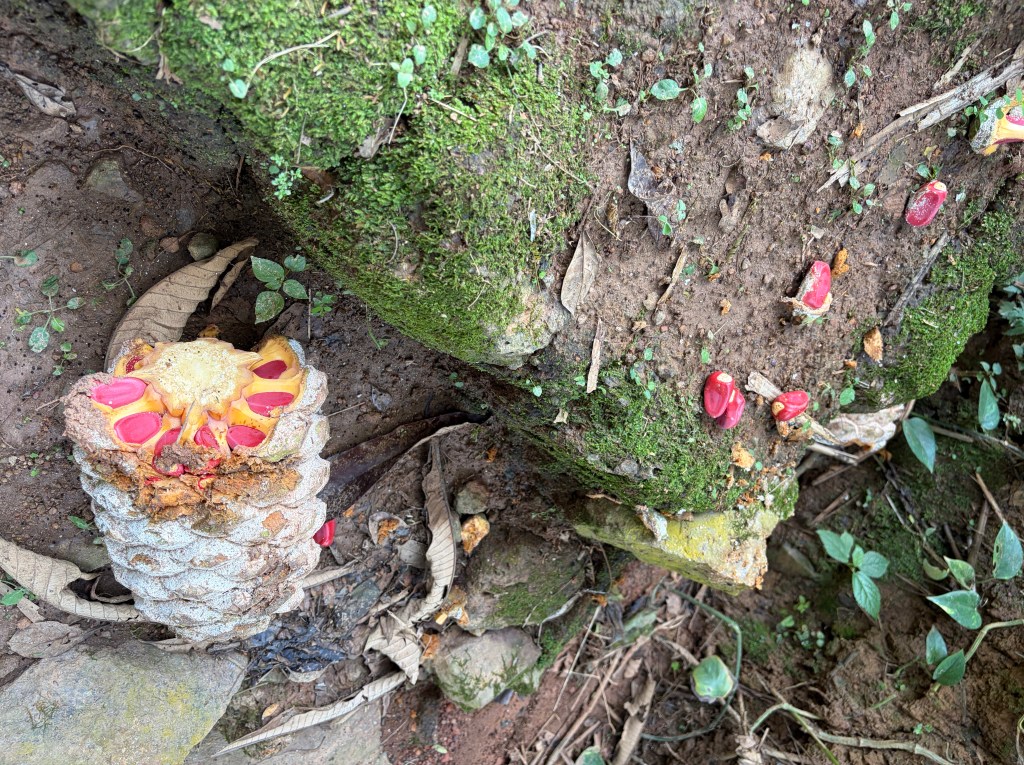
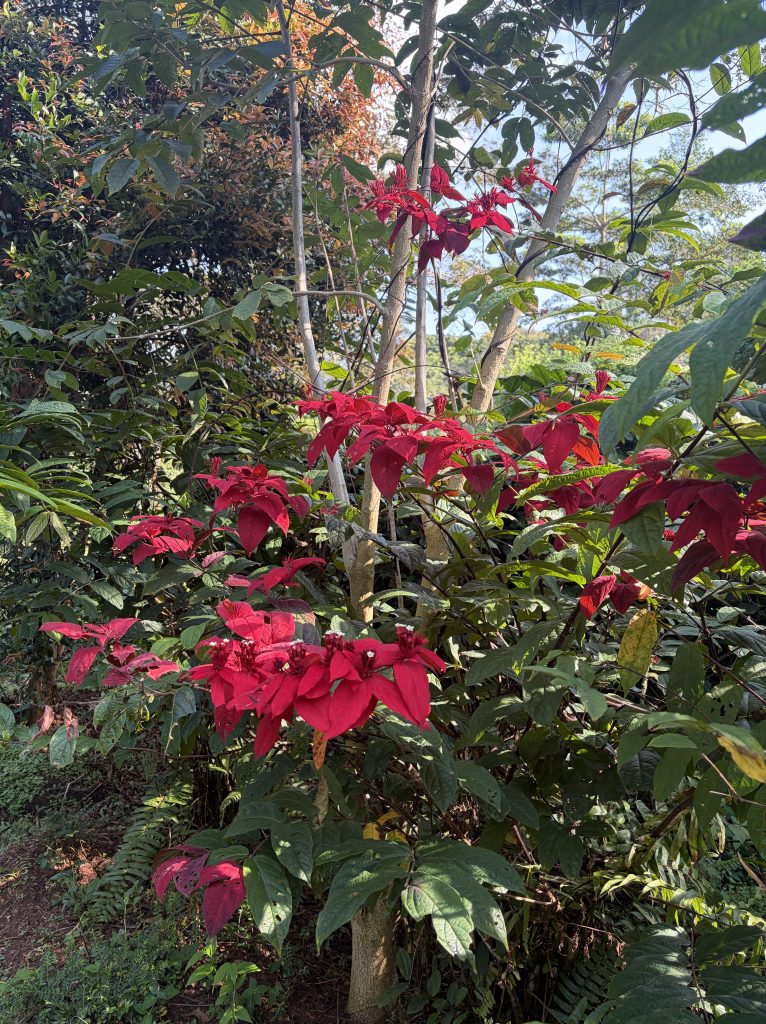
I hope that you may try some of these types of prayers I’ve shared. I’ll include my collage and some pictures from my prayerful contemplations, to prompt your imagination toward new ways to pray. May you lament, and imagine, and dig into the rich soil of stories to give your prayers pictures and themes and connected community. May you gather, collage, eat, garden, dance, rest, bake, listen, sacrifice, bless, and remember. And may they be prayerful.
The Sabbath Rest of Resurrection


Easter is over. A lot of us have moved on with our lives. I happened to be on vacation for Easter, and instead of spending it with my refugee friends, I spent it in Uganda’s capital with American friends. In some ways it feels like I skipped Easter. The traditions were different enough and even my new habits and routines from Uganda were nowhere to be seen.


But in some ways, I didn’t skip Easter. My different situation and perspective helped me learn something new about it.


I spent Holy Week sleeping in a soft bed, using a fan, enjoying constant electricity and cool temperatures. I climbed hiking trails and clambered over boulders and looked out from a mountain ridge over a peaceful cape. I went skydiving and (after some of the loudest screaming I’ve ever done in my life), I was shocked into speechlessness as I gaped out over the land laid out beneath me—an inexpressible mural of ocean, beach, scrub, mountain, city, town, farmland. I was on vacation.


My Holy Week was spent in real sabbath rest from heat, from dry season, from conserving water and being on constant alert for the indicator light on the wall that means the electricity is on. It was sabbath rest that healed by body, mind, and soul, and filled me up to better serve. I worshipped on Easter Sunday in friends’ church. I was able to dance and sing and listen to the sermon with distance and disconnect from the people around me, my own island of worship and contemplation. But I also worshiped during the week in moments full of awe as I gazed out at beautiful landscapes, or as I cocooned myself in a soft bed with gratefulness overflowing into prayers.


I rested from my labors and gained a greater sense of resurrection.


Often my Easter celebrations have centered on the death of Jesus. The somber awareness of his gruesome death in my place has been a heavy presence. But this Easter I was able to focus on the resurrection—Jesus’ new life that came with the sunrise on the third day. He died that we may have life. But I have often forgotten the weight of his life. He lived that we may have life too. His new life is the firstfruits, the beginning evidence of the promise that we who follow can all partake. Because he lives, we live—abundantly. We can have fresh life, new life, rebirth, regeneration. He has conquered death and its power over us. His broken body moved with life again so that our wounds may be healed, so that our broken spirits may be made new, so that our hearts may be made whole.


The promise of Easter is new life amidst brokenness, pain, suffering, trauma, sin, and even death.


There is no better character in the Gospel’s Easter stories to illustrate this idea than Mary Magdalene.

And goodness, does that woman have a story to tell! One of the few women given a name in the Gospels, much of her story is still hidden from us. We know Jesus cast seven demons out of her. She had seen darkness, lived in it, been imprisoned and controlled by it. But our Lord set her free. She had a taste of his new life long before she saw it in full at the resurrection.


Who knows what she had seen or done. Who knows what fears haunted her dreams or what broken thoughts of her own insufficiency dogged her days. Her life before Christ would have reeked of death. Her life with the demons would have sapped her strength and left her feeling lifeless.

But we do know that she found peace in Jesus’ presence. She was with him often in the gospel accounts. Luke chapter 8 tells us that she and other women that Jesus had healed followed him and the disciples and provided for and supported the men out of their own time and their own pockets.


But precisely because Mary was no stranger to suffering and brokenness, we find her among the few faithful at the foot of the cross. John and four women were there. Mary was one of the last to see him alive, and she went to the tomb as soon as possible to care for his body. She was well acquainted with the pain of death and the comfort a friendly presence could be.


But what she found there, at that place of death, was a resurrection power to be reckoned with. Mary had seen the worst the world had to offer. She had endured trauma physical, mental, and spiritual. She watched her Lord tortured to death. She was the first at the tomb, and finding it empty, she ran to the men to tell them. She ran back with them as they came to see for themselves. They believed he had risen. But her grief was perhaps too deep, and her memories too strong of the power death held over her old life. After experiencing so much trauma, sometimes you grow to expect it. This was the way of the world. How could she have expected the best thing to have ever happened to her to last anyway?

__________________________________________

Once, what feels like a lifetime ago, I played Mary Magdalene in my church’s Easter play. Maybe my teenage drama was a little too much for our tiny church production, but I remember putting myself in Mary’s shoes, under her head wrap, and it did something to me. I thought a lot about her emotions and about the devotion she had given to Jesus. Her whole life was wrapped up in his. And with his death she was broken beyond belief. I didn’t have to act for the tears to well up. I begged and pleaded with the gardener. I tripped at Jesus’ feet when he said my name and called His name out in a ragged voice in response. Mary must have felt dead until she witnessed that resurrection herself and was filled with hope.

_________________________________________

In a tear-jerking interaction, Jesus appears to Mary at the climax of this story from the gospels. She cannot believe he is anyone but the gardener. Maybe she couldn’t see well through her tears. Maybe she couldn’t understand through her grief. Maybe her trauma was too heavy. But she begs this man just to tell her where the body is—she’ll move it herself if that’s what it takes to give him dignity in death like he gave her in life.


But then the truth shines on her like the sunrise and warms her soul in a flush of new life. She finally understands that this man is Jesus when he speaks her name. Have you even been loved so deeply by someone that just to hear them speak your name gives you new strength and reminds you of your value, of how much you matter to them? Jesus spoke her name. He recognized her life as a precious thing to him, and in speaking her name, he spoke life over her. And she wept at his feet.


The life-giver, the one who bore her heavy burden, the one who freed her from darkness, the one who had begun to heal her wounded life and heart—the Resurrection and the Life—he stood before her, with fresh wounds of his own. He chose to appear first to a woman desperately in need of new life.


Jesus appeared first to a woman. But not just any woman—one who understood what it meant to be broken and what an incredible gift resurrection would be.


The broken are the first to recognize the healer, and the dead are the first to recognize new life, so Jesus chose Mary to be his voice. Go and tell my brothers, he commissioned her. Some call her the first evangelist, or a preacher of the gospel. Whatever the case, she proudly announced to the men and the women, “I have seen the Lord.”


Mary was given the task only on person in history could have—to be the first to break the news of resurrection. To be that messenger, Jesus chose someone who knew the weight of suffering and trauma and so knew the miracle gift resurrection and life would be.


When I say I learned about resurrection this Easter, I mean that I came to Holy Week and to our remembrance of the cross weary and heavy-laden. I came bearing trauma that was not my own because of my friendship with refugees. But my soul did not leave this year’s Easter feeling the deadweight of the second-hand trauma I saw and heard about daily.


This Easter taught me about resurrection. It taught me about new life and the immeasurable value of resurrection. It taught me not to settle for anything less than the life-and-death difference I should seek from my new life in Christ. And true sabbath rest abounds in worship at the feet of the Lord of the Sabbath, who conquered death to give our souls rest and refreshment from the death that can seem to fill this not-yet-redeemed world. This Easter taught me that the broken, poor, marginalized people around me have a greater understanding of the joy new life can bring and the dignity it gives to even the lowliest, like Mary Magdalene.


So if you have been weary and heavy-laden…

Let these remembrances of Easter refresh you. Seek time to mourn the death and lifelessness that has crept into your new life with Christ, as Mary Magdalene did at the tomb. Mourn for it, and then listen for Jesus to call you by your name, to speak new life into you. Read these stories in the gospels for yourself, and remember the resurrection power that came that Easter sabbath day long ago when Jesus shook off the grave clothes and arose. He arose to bring new life in the midst of death. May you seek it, and find it for yourself.