Tag: trauma

A Psalm of… Descent

Psalm 91 is all marked up in my Bible. It is a prayer song about God’s protection, and it was a particularly sweet reminder of God’s character in a season when I needed to remember God’s ‘feminine’ side—that God gathers us under wings to protect and shield us like a mother bird. 

But I never really thought Ps 91 was a promise for me. After all, it was probably written by David, and we all know David was a man after God’s own heart. He sinned and made mistakes, sure, but I still don’t presume to walk as closely with God or have as much faith as David did. And for crying out loud, Satan quotes this psalm to JESUS when he’s being tempted in the wilderness. In Caroline paraphrase, he says “Jump off this roof and God will catch you, because the Psalm says God will command his angels to catch you and hold you up so you won’t even brush your foot on those rocks below.”

Read Psalm 91 for yourself. It makes these beautiful promises about God’s protection, about how he is our refuge from disease and terrors and violence and other dangers. But the promises are always for whoever lives in God’s shelter or whoever professes God to be their refuge: “Because he loves me, says the Lord, I will rescue him…” That’s all well and good, and of course I would say that God is the one who protects me, but do I really believe and live that with 100% of me? I don’t think I can claim to—I have doubts, and I trust in insurance or people or other things for protection more than I’d like to admit. So I didn’t think these promises would literally apply to my life. 

Without putting it into these words, I believed, “If I trust and love God enough, then I earn the kind of loving loyalty he promises in that psalm. And there’s no way I love and trust God enough. So those promises can’t be for me.” 

I didn’t think Psalm 91 was useless, I just thought it showed God’s character and the kind of love he shows to people who fully depend on him. I didn’t think I belonged in that category. I belong in the category with the disciples, “You of little faith,” or even, a little more kindly, with the man who comes asking Jesus for a miracle and says, “I do believe! Help me overcome my unbelief!” 

But that’s just what I learned recently. Nowhere does Psalm 91 say we earn God’s kindness with our faith. In fact, that’s contrary to everything the New Testament teaches about how God saves us. I believe that God saved me out of his grace and kindness, but somehow along the line I lost the thread and believed that certain other blessings or kindnesses from the Lord had to be earned by my faith and obedience. And that’s simply not the equation the Bible uses. God is the Father of all good gifts, not all good merited-awards. And when Jesus teaches about prayer, to illustrate the point he asks, ‘if you earthly fathers know how to give good gifts to your children, how much more does your heavenly father?”

God’s protection from the dangers of this world is a gift we do not earn. Like Job says, we know that that sometimes he gives and sometimes he takes away (that protection), but it is not on the basis of how strong our faith in him is. In fact, God’s unearned protection in the midst of those dangers is the very thing that often grows our faith. And God chose to teach me that by way of a very memorable object lesson recently. 


On the first Friday of September I was taking a recovery day at home after a week of all-day teaching. I was bouncing back and forth between work on the computer and work around the house and checking in on the repairmen who could finally come by now that I was home for the day. A little after 3:20 I decided to pop my head through the attic access to see if I could find any evidence of termites or some other pests causing the problems with my electrical wiring. I tugged on the ladder the electrician had been using to make sure it wasn’t going anywhere, and then started up. Just after I poked my head through the ceiling 11’ up, I felt the ladder twitch underneath me. I bent my head back down below the level of the ceiling and saw the ladder start slowly making skid marks down the wall, and that’s the last thing I remember. 

The ladder fell all the way to the floor, taking me with it, and I must’ve lost consciousness on impact. I bruised several bones and sprained an ankle, and smashed my face diagonally on the ladder rail. I fractured my lower jaw and three teeth, and shattered my upper jaw and chipped, shattered, or dislodged 5 teeth on the top. I sustained a concussion, and may also have caused hairline fractures in my foot and below my left eye. 

About 30 or 40 minutes after I climbed the ladder, my memory clicked back on, and I was sitting on my couch next to a friend, with a hand full of blood and some teeth or bone chips. Somehow in my daze after consciousness returned, I called a nurse friend to come and help me. I still have no memory of that call, or her arriving as quickly as she could. She got me to the hospital nearby, and scans confirmed no brain bleeds or skull or spinal fractures. I was transferred to a different hospital for more thorough scans where everything was confirmed a second time, and I had surgery to remove three teeth that were lost causes and stitch up my gums. I was hospitalized just shy of a week, and then came home to recover from a concussion that’s lingered for more than a month and the ongoing dental work that’ll take several months to complete, including time for my broken jaws to heal. 


Sometime in Admitting at the hospital, while I was still spitting blood into a cup and we hadn’t done any imaging of my head or moved me to a room yet, it started to dawn on me how much worse the fall could’ve been. Yes, I had several goose-eggs and an impressive set of Gollum teeth, but I hadn’t directly hit my forehead or gashed open any part of my face. My alertness had quickly returned, and my relatively low pain level we knew even then meant it unlikely I had fractured my spine or skull or caused any brain bleeds, which could lead to more permanent neurological damage. And the next day after I transferred hospitals the doctor’s mouth literally dropped open after I was able to explain the fall and injuries in detail, and get up and walk around: “You shouldn’t be able to walk after a fall like that.”

It was then that God reminded me of Psalm 911, and I began to process God’s incredible protection. I remember silently weeping once in the hospital after the lights turned out and I knew I could rest peacefully for the night. “Those who live in the shelter of the Most High will rest in the shadow of the Almighty.” Surgery on my mouth took a few days longer to schedule than I had hoped, but my fear of infection or worse proved groundless. “Do not dread the disease that stalks in darkness…” And repeat scans of my brain showed nothing worse than a concussion, even though I had been at home alone with no one to anticipate or help immediately after the accident. “Nor the disaster that strikes at midday.” Eventually I connected the dots and realized that a fall like that could have killed me under different circumstances. “Though a thousand fall at your side, thought ten thousand are dying around you, these evils will not touch you.” And on the third day after the fall, with many of you praying for me, my sprained ankle that should have taken enough force to shatter it could suddenly and miraculously bear weight and I could walk without support. “If you make the LORD your refuge, if you make the Most High your shelter, no evil will conquer you; no plague will come near your home. For he will order his angels to protect you wherever you go. They will hold you up with their hands so you won’t even hurt your foot on a stone.” 

Even now as I write I still tear up, overwhelmed by the Lord’s gracious protection that I did not deserve. God took care of me in the initial accident, with the healthcare I could access afterward, and through so many of you far and near. I have been surrounded by love and people checking in. I still smile with gratitude for all of you when I use the body soap someone brought me in the hospital. And I have been dependent on the kindness of strangers and friends who have given me medical care, visited me at home or in the hospital, helped me with errands, and borne with me as I dealt with the ongoing effects of the concussion.

Humor and humility have been the most gracious and necessary ways to accept my limitations as I’ve healed. I’ve joked many times about how I only damaged the breakaway portion of my face, or the dentures and cane I earned myself. I’ve matched my bruises to purple clothes and joked about being Gollum from Lord of the Rings or Toothless from How to Train your Dragon. I had to have patience with a brain that processed emotions like a toddler and couldn’t remember how to handle social interactions. I had to let being a single independent woman go more times than I wanted and ask for help with simple tasks like cleaning my house or preparing food or picking up groceries. I had to humbly accept the massive privilege I have to complain about oatmeal and soup when many of my friends would go hungry if they had to have a special diet, or the privilege I have to immediately access health care many of my friends cannot even consider, without worrying about the price tag. Many times the jokes come easily and the humility has taken more work. 

But there again God has shown kindness I did not deserve, and answered my prayers with the humility and strength and endurance I needed. Not long after I returned home from the hospital, I found myself crying again over a minor inconvenience because my concussion hampered me from letting it roll off like I normally would. I sat down at the piano to see if music would come back easier than other things. Soon I found myself playing and singing, lisping praise through broken teeth, and weeping from blackened eyes. Moments like that have only grown my faith—moments when God met me in my brokenness and was sufficient to calm my mind or quiet my heart. God deserves praise in our brokenness because of his unsurpassed kindness, and that same posture of praise can grow our hearts along a trellis of gratitude instead of bitterness. 

Say what you want about coincidence or spiritual forces we cannot see, but the teaching I finished just before I fell with the ladder was a Bible-story based mental trauma healing program with Sudanese church leaders here. They were reminded in fresh ways that God cares about their immense suffering and is with them in it. They learned how to support the many freshly traumatized refugees in their communities and their churches who have recently arrived fleeing the war in Sudan. And many of them tearfully praised God for the encouragement and healing they found in his Word. Our first story began with God’s perfect unspoiled creation in the Garden, and our last story finished with the hope that all will be perfected and healed once again in the heavenly garden after Jesus returns. I had been meditating on a beautiful lament song, Garden Hope,2 that reminds us of God’s good plan while we wait here in-between the gardens. 

My fall reminded me afresh of those realities. And as long as my body and mind are still bruised, I carry with me physical reminders that though we suffer now, one day we will be healed. I was also reminded afresh to practice what I teach when my injuries forced me into a vulnerability that tied me closer to my community here. When my tribe of Sudanese sisters here finally worked out of me how badly I had been injured, they insisted on visiting me like a shut-in. I cried again because I couldn’t remember much Arabic and didn’t know how mentally stable I would be. But those women, who have been through persecution and famine and war and worse aren’t fazed by much, and they wept over me. They prayed and encouraged and looked me in the eyes to tell me they knew exactly why I fell—because our Enemy was not happy with the life-changing hope they had been reminded of and equipped to share that week. They reminded me that as refugees they know what it feels like to be far from family when you need or miss them most, and repeatedly told me that I am their sister and they are ready to help at a moment’s notice when I need anything. When I mentioned Psalm 91, they smiled and said, “That’s our psalm,” and quoted their favorite parts of it from memory. It sounded even sweeter in Sudanese Arabic from the mouths of friends who have personally known God as their refuge and protection in many hardships through the years. 

I’ll be recovering from that kind of love for quite a while too. In the meantime, my concussion seems to be mostly cleared except for the lingering slowness with decisions, communication, and emotional processing. I still have a minor limp that will heal with time, along with the other broken bones in my face. I got some temporary teeth to last me until I can get permanent implants around the end of the year. And I’m still managing some minor pain and fatigue while God continues to heal my body. But God has tattooed Psalm 91 on my heart and I can’t help but praise him for his rescue and protection. 

The LORD says, “I will rescue those who love me.
I will protect those who trust in my name.
When they call on me, I will answer;
I will be with them in trouble.
I will rescue and honor them.
I will reward them with a long life
and give them my salvation.”
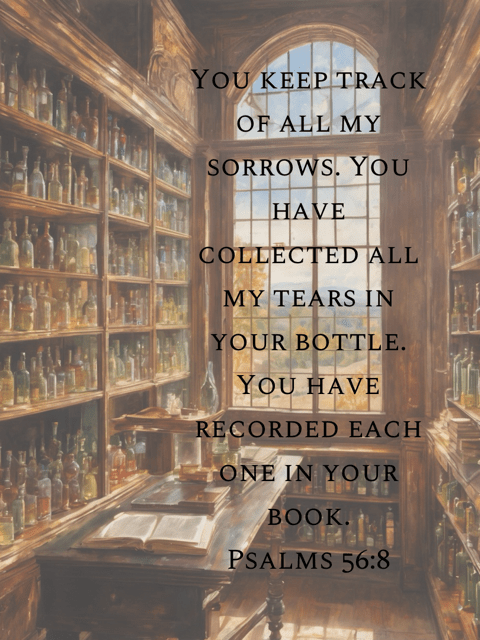
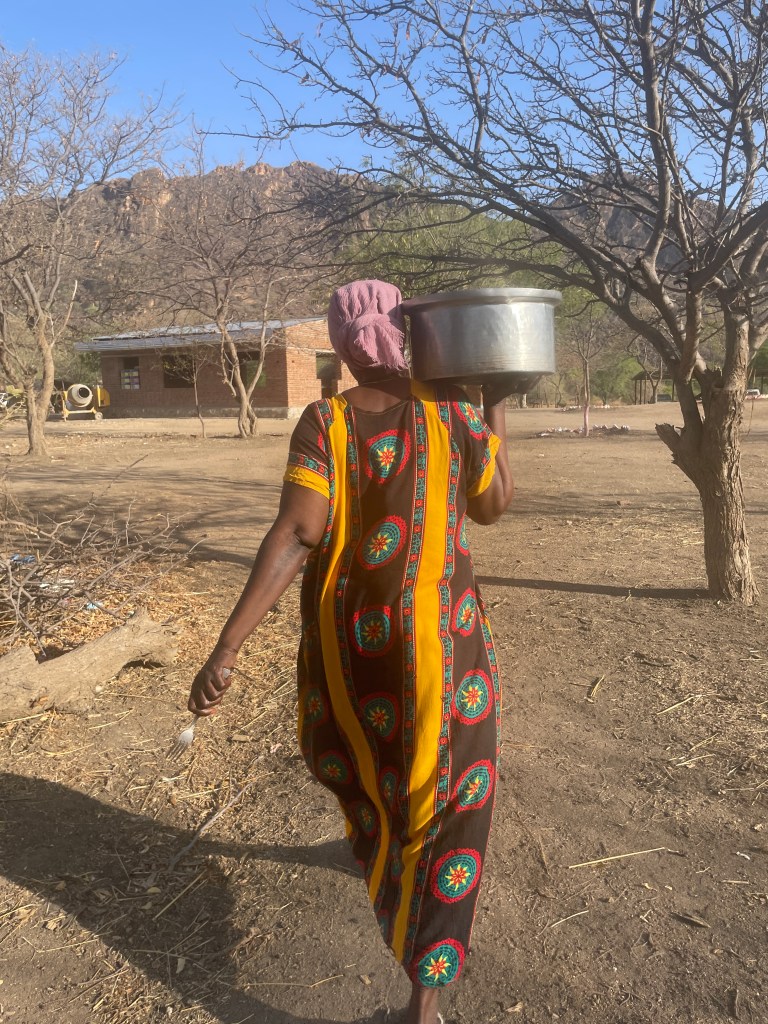
Ps 91:14-16

  1. All Psalm 91 quotations here are taken from the NLT. ↩︎
  2. Click below to listen to the song. ↩︎

War Stories part 2

Stories have always helped to give me a picture of something I can’t otherwise understand. A story takes something abstract like a war, and gives it faces, places, names, and feelings. When the people in the stories feel real to you, you can’t help but feel what they feel as your mind’s eye sees what they see. Stories teach our hearts empathy and can shape our emotions into actions—whether they be prayer, lament, protest, or giving. 

I’ll continue sharing Sudanese stories with you in this post to let you meet them in their experiences so you can better understand the war they’re living through. The following stories are difficult. They deal with genocide, rape, war violence, and other traumas. Each section has a heading so you can avoid topics that might be too difficult for you, but know that I never give graphic details. My goal is to walk with you as a guide, not to leave you feeling overwhelmed and hopeless. So, like in the last post I’ll share scripture and prayer points that have helped me respond to each story. 

My hope is that these stories will help you to remember the Sudanese—with prayer, with visits, with kindness, in whatever ways the Lord prompts. One of the most common fears I’ve encountered with any refugee friends is the fear of being forgotten and left alone. Too often in their times of deepest need they have been met with indifference and neglect, if not cruelty. By the very nature of their situations, they have lost so many relationships through war or displacement that the thought of being ignored or left alone deeply grieves them. They can carry a deep sorrow that people may shrink away from them in their need, or forget them because it’s uncomfortable to face their situations. Of course they need material help, but the emotional gift of sharing in their grief or offering a prayer is also important, and it often lasts longer. So for this reason I share their stories with you, so they will not be forgotten. 


Trauma: The Reporters

 I met both women over a year apart, but they were alike in many ways. Both were capable women who seemed to be the keystone of their families. And both had to flee Sudan for their lives and to protect their families from further threat. One woman was a highly educated reporter, and her commitment to exposing injustices in a country destabilized by the brewing war landed her in the crosshairs of powerful people. She showed me pictures of her acid burns the first time we met, almost proudly. Her reporting was helping to spread her people’s stories so the world could see and respond with help. 

She was now in her second country since she fled, and she left family members behind she hoped no one would targeted now that she was out of the way. She and one of her daughters with her still lived like they were hunted, careful of how loudly they spoke certain things, and fleeing people who still threatened them for what they believed and shared even two countries away. 

The other woman had lived in an internally displaced people’s camp within Sudan before she fled years ago. She reported serial rape in the camps to authorities, hoping someone with the power to stop it would intervene. But through corruption, her reports were leaked, and the very people raping to control women and frighten them into silence targeted her and her family. Her story of a chance warning and her harrowing escape even while she could hear her children crying and her husband being beaten was horrific. But she knew that leaving would spare them further abuse. So now she had lived for years separated from her children, the youngest of whom was an infant when she had to flee alone. 

Both of these women have been blacklisted, and cannot return to their homes for the foreseeable future for the safety of their families. Both are among the strongest and most resilient women I know, but the human mind and body have their limits. Mental trauma of this magnitude is debilitating, especially if you experience it in a foreign country without a support system or access to counseling. The second woman was finally reunited with her children who fled the most recent wave of violence. But she suffered from memory loss, crippling anxiety, and debilitating chronic physical issues that were the product of years of extreme cumulative stress from the mental trauma she had endured. 

I recently spoke with a South African eye surgeon after she served for two weeks giving vision-restoring cataract surgery to Sudanese. She was confused at how little response they gave when suddenly they could see again, especially compared to some of her regular patients who would dance or sing. We discussed their mental trauma, and the self-preservation of low expectations and not daring to believe change for good can really last. But many Sudanese I know also carry with them a “sideways hope.” Outwardly they expect the worst case scenarios, but inwardly they bravely keep hope kindled in their heart. As a favorite writer of mine so well described it, “For people habitually up against it… hope is something too sacred to be spoken. It belongs in the heart, not in the mouth.”[1] The mental trauma Sudanese carry may be disabling, but many still cherish hope when they have every reason not to. They may try to hide the effects of their trauma because they have a distorted sense of what every person should be able to carry without complaining, but hidden or not, their resilience is radiant. 

Genesis 16; 21:1-21

 Hagar’s story of trauma, abuse, and shame can feel too heavy for the cursory treatment the Bible seems to give it. But what Scripture doesn’t do is hide the shameful treatment she received at the hands of Abraham and Sarah. The account of her story does not excuse those parents of our faith of their behavior or explain it away. As Muslims, many of the Sudanese are Hagar’s spiritual descendants. Like her, their very presence is too often considered a shameful testament to someone else’s sin we would rather forget. They are often expected to cover or hide themselves to protect their communities from the shame of exposure—of domestic abuse their bodies would show, of the brutal control their female genital cutting testifies to, of the rape cowardly men forced on them and shameful men ignored. But the Bible does not ignore Hagar’s story. In fact, it takes care not to hide the sin of powerful men like Bathsheba’s king, and the dynasty-founding families of Dinah and both Tamars. Genesis takes care to call Hagar Abraham’s wife, to show in even more disgraceful detail the treatment she deserved but was denied. And at the climax of Hagar’s reprehensibly traumatic story, when Abraham and Sarah send her away rather than face their sin and its consequences, God SEES her. And HEARS her child’s suffering. God drew near to the broken-hearted Hagar just like he does to traumatized Sudanese women whose depth of pain no one else truly sees or hears.  

Pray for Sudanese dealing with mental trauma. 

  • Pray for God to provide families and communities they can safely share their experiences with so they can be comforted.
  • Pray for mental health professionals and therapy options to help Sudanese process their traumatic experiences.
  • Ask God to comfort them with his love and be near them with his Spirit so they do not feel alone or abandoned in their suffering and its aftermath.
  • Pray that Sudanese men and women would not carry the shame of what has been done to them and would be able to clearly see that their value is not diminished by the cruelty they have been shown.
  • Pray that like the Biblical authors, we who are not Sudanese would not cover or ignore their suffering, but instead would respond with respect and compassion. 

War: The Village School

We drove three hours from the nearest hub town across sometimes indiscernible roads to reach their village. “Out in the middle of nowhere” was an understatement. We traveled with friends of ours as they were returning home. Their grins in the back of the car were the biggest I’ve ever seen them, as they chatted with excitement for us to meet their people and see their home. 

 We shared their excitement to get to see their homeplace, but that wasn’t the only reason we were going. This village, out in the middle of nowhere, with no military base anywhere nearby, had recently been bombed from the air. One bomb fell harmlessly up in the mountains where no one lived. Another fell down a well and only property was damaged. But the third was dropped on a school while it was in session. Around fifteen children and teachers died on site, and dozens more were injured. We were traveling out with our friends to offer our condolences and sit with the village in its grief. 

I experienced a disorienting emotional whiplash as we finally rounded the last bend and caught our first glimpse of the village through the scraggly bushland surrounding it. The lively chatter in the car fell deadly silent as we caught sight of the school partially in rubble. A subdued voice asked if we wanted to stop there first and see it, but someone told the driver to go ahead and take us to the gathering point where we planned to meet everyone. I tried not to think of the sound of the plane overhead, or the chaos that would have ensued as this peaceful village frantically rushed to dig children out of the rubble. 

We sat with the village leaders and some of the fathers who had lost family members. They showed us kind hospitality and eagerly welcomed us. We offered prayers and some encouragement from God’s Word. But our words and presence with their grief felt so small in the shadow of that school, under the gaze of those fathers’ hollow eyes. There were not strategic resources the military could have gained here. This village and its people weren’t even active in the war that was taking place farther north. The bombing was completely senseless, and could have no other purpose than fear and destruction. But in every story I’ve heard, that’s how this war is. It’s senseless violence that will consume you if you try to understand the why behind it. 

As we left I experienced that emotional whiplash again. I was still mulling over the experience when my friend stood on tiptoe to poke his grizzled head through the car window and talk to me as I was climbing in. “You didn’t have time to come to my house this time!” he said. The engine was turning over and we were seconds from pulling out. “Next time you come you are welcome! You’ll have to meet my son! He’s the one your age, and he could use another wife!” he joked, with a mischievous twinkle in his eye. As we pulled out past the school that I barely even noticed after that proposal, I realized that was how they did it. This village lived under the looming war balancing sorrow when it struck with laughter and kindness when they could find it. 

Job

The book of Job isn’t a comfortable one. The conversations between Job and his ‘friends’ seems like a maze of the accepted wisdom of his age and ours, which God discounts by the end anyway. We can be tempted to see the final point of Job as, “Suffering doesn’t make sense. Period.” But in the end of the book, what Job learns when God speaks is that we may not understand God’s long-term plans or the big picture or how he enacts justice. But suffering isn’t senseless. Even if we don’t understand, God sees and plans so much more than we can. And not only that, God heard Job every step of the way. God knew Job’s suffering and grief, his faithfulness and his despair. God knew Job and honored him—both when he proudly pointed Job’s faithfulness out to Satan and when he blessed Job after the suffering passed. 

We cannot understand the senseless suffering in Sudan, but by wisdom so much higher than ours, God does. He knows and feels each broken heart and cherishes each soul that faithfully clings to him in the suffering as Job did. But Job saw God’s plan only imperfectly. When he begged for a helper, someone to take the suffering in his place and advocate for him to God, it was the wish of a broken man who thought it impossible. But after Jesus, we and the Sudanese who suffer can see that wish realized. The Holy Spirit is our advocate to God and can bring us near to him. And Jesus not only took God’s punishment in our place, but physically shared in the same kinds of suffering we may face and empathizes with us as we endure. 

Pray for Sudanese impacted by the war and its violence. 

  • Pray for those who have lost loved ones, that God would be near to them in their grief.
  • Pray for Sudanese who believe God only expects them to endure suffering. Ask that they would understand our God is a suffering servant who can join them in their pain and sorrow.
  • Pray that through this war, God would draw many Sudanese to himself as they search for someone to save and protect them.
  • And pray for Sudanese to come to know Jesus personally as the same redeemer and helper Job hoped for. 

Image generated by Gencraft LLC. Text from the NLT.

Genocide: The College Student

I sat across the supper table from him after a discussion about his potential. He had just finished high school—late because of the years of interruption from the war—and he was considering where he might be able to get an IT degree. He was by most measures a fairly normal college-aged guy. He held his smartphone and his attention drifted to it during lulls in the conversation. He had just teased me like my own brother his age about how much shorter I was than him. But in a few important ways, he wasn’t any normal college guy. He is part of the Masalit tribe, a target of the quickly spreading genocide in Sudan’s Darfur region and of what was widely known as “the first genocide of the 21st century.” That first genocide began in 2003, just in time for the circumstances of his birth to be wrapped up in its horror. He had been displaced from his home for years and I’d never heard him talk about his family before, if they were even still living. 

After a break in conversation I broached the subject of the current genocide happening under the cover of the war, and asked him if other Darfurian tribes besides his were targeted as well. Contrary to the hesitance I expected, his eyes lit up. “That’s actually a very good question,” he said, eager to explain to someone who cared to know. He launched into a welcome history lesson, quick to share about his people’s dignity and strength and their difficult past. “My country,” he would say, as he proudly showed pictures of the flag, or political borders, or the beautiful landscape. He radiated a fierce sense of national identity and autonomy as he shared about the many and complicated reasons others are willing to commit genocide and martial rape. Many want control of his people’s land and its bountiful resources, and there are generations of tensions between Arabized tribes who consider the Masalit and other Darfurians inferior and want to rid the world of them. Some in Darfur want to split from Sudan entirely to be their own nation. But as things are now, many Masalit like my friend are displaced in many different countries, and some even as far as Europe. 

I mentioned the international news coverage, and how more people around the world are starting to hear about his people and what they’re suffering. He said, “What you see in the news is not real. What I have seen with my own eyes, the killing and the raping, you cannot understand that from the news.” He sat quietly for a while, leaving unsaid many more atrocities than any 23-year-old should have to experience. 

And then just like that, he flipped his phone around again to show me a picture of two hyena cubs he had caught and raised. He explained how abundant they were in Masalit land and how people caught or raised them for meat. But with a crooked grin he told me how he’d managed far from his homeland to catch and raise these two—Biter and Scratcher in his language—like security dogs, and later sold them to help support his schooling. He was carrying on as normal a life as any 23-year-old could despite the genocide: trying to make ends meet, enjoying a thrill of danger and the shock value of his adventures, wanting to travel the world and get an IT degree to get a stable job and have a future. 

Habakkuk

On the year anniversary of the coup, I sat with three Sudanese pastors around a table and they shared what they thought about the war and the future of Sudan. They lamented how many were suffering without cause. Some said they thought God was using the war to root out wicked men in power. They discussed how the instability exposed false gods or faith in the wrong deity and gave people maybe their first real prospect of turning to God. They agreed that only God could deliver the people of Sudan from this war and save them. One said, “God is still doing his work in the middle of this war.” 

These observations are exactly the same as Habakkuk’s in his small book. He considers the wickedness of his own people, and then regards God’s plan first with horror when he hears that a nation will bring war to them. Like Habakkuk’s people in his time, the Sudanese face unimaginable cruelty and violence. But also like Habakkuk’s people, they are having a chance to see God’s work that is hard to believe without seeing it for yourself. Muslims from tribes that cannot remember a time before Islam are uprooted and questioning for the first time if their faith is true, and if it can sustain them. At the end of his book, Habakkuk comes to an acceptance born only of his faith in a powerful but loving and merciful God. Though devastation surrounds him, Habakkuk chooses to depend on the Lord to be his strength. Even in famine, violence, and disaster, the God who saves him inspires joy in Habakkuk’s spirit. This same God calls to the Sudanese and offers them the same hope. 

Pray for the Sudanese facing genocide. 

  • Pray that God would provide a way for them to get to safety.
  • Pray that their homes and cultures and livelihoods would be preserved through the upheaval as they flee.
  • Pray for God to protect especially the defenseless among the targeted Darfurian tribes.
  • Pray for those committing the genocide—that God would help them to see clearly through their generations of hatred and the battle fever so that they cannot murder another man, woman, or child without feeling the eternal weight of their actions.
  • Ask God for the justice only he can give, and for ultimate reconciliation and peace. 

  1. Go read Benjamin Myers’ post, “Advent in Oklahoma,” on the Front Porch Republic site. He wrote a beautifully expressive reflection of a waiting hope particular to Oklahoma Plains people. As an Oklahoman myself working with Sudanese, I found a sort of kinship in the way we both persistently, stubbornly wait and silently hope. https://www.frontporchrepublic.com/2023/12/advent-in-oklahoma/ ↩︎

War Stories part 1

The War

Sudan has been at war for over a year. Many still have not recovered and returned ‘home’ from the last waves of violence, and the country was just finally beginning to let out its breath and hope for a time of peace. But instead, the peaceful civilian government they hoped for a year ago is only a broken dream now. The capital city of Khartoum is a smoking, shattered ruin. Much of the country has been ravaged by war as two military factions fight for control over the hollow husk of a country they have left in their wake. 

Millions of people have been displaced from their homes and fled to different parts of the country or to other countries entirely. Again and again the mass casualties from these clashes are civilians caught in crossfire. People can’t access necessities like medicine, food, basic health care, or clean water because soldiers raid or destroy what little is available. Roads aren’t safe and gas and transportation prices are unthinkable because the military routinely seizes goods and demands bribes for passage along the normal supply routes. 

Schools and orphanages have been bombed. City blocks and villages alike have been burned to the ground in places. People flee their homes when they are so desperate escaping on foot is their best option, only to lose family members along the way to military factions that bomb and burn civilian targets for no other reason than to spread fear and destroy resources. 

Systematic rape is an expected weapon of war to control and terrorize both the men who can’t protect their families and the women who lose their social standing and the last scraps of morale they had to hold their broken families together. Sieges and road blocks create artificial famine to demoralize and destabilize any who would resist military forces. And under the cover of this horrific war, the sparks of genocide have already started to rage into wildfire. Whole swathes of the country are now depopulated of certain Darfurian tribes; they have fled because they’re convinced that life in a refugee camp is better than continuing to watch the military target and murder their people by the hundreds. 


The Stories

These horrors—genocide, famine, inescapable trauma, displacement, and war—are so far outside our experience they’re hard to understand. Something that evil, that abominable, is hard enough to wrap our minds around, especially when we can’t put a face to it. So I want to give you stories. I want to give you some ‘faces’ to this war so that you can understand a small part of it. 

I’m no reporter. I’m not writing to propose a solution or help you choose a side. I can’t give you the facts and figures of the war in Sudan. But I can share stories. Sudanese who have survived these atrocities are my friends. Their stories weigh heavy in my heart, because through their experiences I have begun to understand the war. I hope that by sharing some of their stories, you can begin to understand too. 

May we together be driven to our knees in prayer. 

I won’t share these friends’ names, but perhaps that’s just as well. Their stories mirror so many others I have heard that, without names, at least one of these stories could apply to almost any given person who has been uprooted in Sudan. Be warned, these stories are difficult. But they’re worth knowing. These people are worth knowing and caring about. 

I’ll share one story in this post, and three others in the following one. Each story will illustrate some aspect of what Sudanese face: displacement, genocide, war, and trauma. To help as you hear these heavy stories, I’ll share some of the scripture and prayer points that have helped me process them with lament, hope, or truth that does not waver in the face of the suffering of this world. 


Displacement: The Sisters

These two women had been like sisters since childhood. They called each other by childhood nicknames, teasing back and forth good-naturedly about being old or crying like a baby while cutting onions. They had fled from the war back to the small village where they had grown up. Their jobs in the city were gone, so they took whatever work they could to make ends meet and support their families. They rarely spoke of their husbands, who were dead or no longer took part in the family. The women worked long hours and never complained. 

When I first met them they often talked about returning ‘home’ when the war settled down. They held out hope, and their contented joy came only from a deep faith that sustained them through their unimaginable losses of family members, future, and livelihood. They talked easily about crossing desert mountain ranges on foot as they fled. They shared grim jokes about the deadly scorpions and snakes they faced along the way. Their stories about bombed out buildings they took shelter in left a more haunted look behind their eyes. One of the few signs of trauma they couldn’t hold back betrayed the difficulties they had lived through: when you meet one of the women after a long time away, she breaks down into shaking sobs. For so many friends and family members, she never knew which goodbye would be the last one, and who wouldn’t survive until she could see them again. 

These ‘sisters’ are in a multi-stage displacement. First fleeing their city home with their children, they came back to the place of their birth, or their tribal homeland. Here, they could find work, speak the language, and rely on a network of relatives to help cushion their displacement when they arrived with little more than the clothes on their back. 

As the war dragged on though, they began to see that going back wouldn’t be an option anytime soon. In at least one of their cases, there was no ‘home’ to go back to. Their village home they were in now was never meant to be more than a stopover, and they were beginning to see they needed a better long-term option. 

After the war passed the one-year mark, the women started to talk of traveling elsewhere. One’s daughter needed somewhere with a university so she could study and hope for a job to make her future. The whole family would have to move with her, so they could work better jobs to afford to put her through school. As the war further dried up resources in their village home, the other woman needed more stable work just to support her family, and she hoped for a more consistent school for her younger children. Both women are contemplating a move to different countries now—with unfamiliar languages and cultures—for a better life for their children. They live in the uncertainty of not knowing when or if things will change back ‘home.’ They have decided it’s less risky for their family to move somewhere completely foreign than to wait with hope for an increasingly hopeless war to resolve. So they wait and hope for money to travel. And I like many of their other friends don’t know when or if I’ll see them again after they move. 

Jeremiah 29:1-14; Hebrews 11:13-16

We often forget the context of the famous verse, “For I know the plans I have for you… plans to prosper you and not to harm you, plans to give you hope and a future.” Jeremiah wrote it in a prophetic letter to Israelites who were displaced from their homeland and had no idea when they’d return home or what to do in the meantime. God told the people to settle where they landed, to build and grow and marry and have families. If they worked to help the city flourish, they would flourish too—even as a displaced people inside the city. God promised the Israelites that one day he would bring them back home to their land. That same promise may not apply in the same way to displaced Sudanese, but we can hold to the promise that God plans to give them hope and a future. If Sudanese seek God like this passage promises, they will find him. And he may not bring them home in this lifetime, but they have a promise of a heavenly city that will be more a home to them than any place on earth could ever be. 

Pray for those displaced within Sudan.

  • Pray for God to provide for their daily needs like food and medical attention.
  • Pray also for their temporary new homes to provide some respite from the terror of war.
  • Ask God to give them family or friends to support them and help them to adjust after all they have experienced.
  • Ask God to give them wisdom to decide how long and where they should stay. 

Pray for those displaced outside of Sudan.

  • As they live among foreign cultures and different languages they can feel very isolated and alone. Pray for God to give them friends and neighbors who love them well and help them settle in their new homes.
  • Ask God to give them work that can support their families and build up their communities.
  • Pray for all of these displaced to know God’s peace, and to feel that he has been with them and guided their journeys to places of safety. 

When God Feels Dangerous

“The Good Shepherd” by Henry Ossawa Tanner

When I was little, I had a fluffy, white, stuffed animal cat named Crystal. She was a favorite toy and a constant companion. I traveled with her, made up stories about her, and no matter where I was I could drift easily off to sleep if she was with me. 

To this day, I vividly remember a nightmare I had about Crystal years ago. As I held her to my chest, she transformed into a hideous cartoonish villain. Her round blue eyes narrowed to red slits. Her sewn mouth opened to a jeering grin filled with venomous pointed teeth. Her soft white fur bristled and darkened, and her huggable body was all angles and arches as she took in a breath to hiss evilly at me. 

I woke with a fright and kicked her from my bed. Gasping with fear, I struggled to disentangle dream from reality. It took a long time of suspiciously watching Crystal out of the corner of my eye—in the light of day, of course—before I trusted her enough to let her back onto my bed. That one frightening image was burned into my mind. It over-wrote years of happy memories, and my unquestioning trust that my favorite stuffed animal would always be gentle and comforting. 


For some of us, our relationship with the Lord can have frightening parallels to my *melodramatic* childhood experience. We know that God’s character never changes,1 but for various reasons our understanding of God can undergo frightening or even traumatic change. 

Unfortunately, a changed view of God can be forced on us—like a horrific nightmare we didn’t choose. In Scripture, God compares himself to a king, a father, a mother, a shepherd, a husband, and other roles present in our daily lives. If those types of people have harmed us in the past through abuse, neglect, or other distortions of their God-given relationships and leadership, they have changed our fundamental understanding of that role. And in turn, our understanding of who God tells us he is can be broken. 

With enough time and repetition, our body and minds can be ‘rewired’ to hold that trauma. If we have been spiritually abused by a mentor or spiritual leader ‘in the name of God,’ the experience can traumatically alter our relationship with God himself. It can take a long time to heal—to sort out the truth of who God is from how he’s been falsely portrayed to us, to understand and believe that God is not dangerous. 

I have recently walked through a dark valley of spiritual abuse. I worked in ministry under a boss and mentor I trusted with vulnerable parts of my spirit, and that trust was abused to take far-reaching control of many areas of my life—mental, physical, emotional, spiritual, occupational, social—all of it. No area of my life felt safe or untouched. 

With some time and space after leaving the situation, my heart, soul, and body dropped out of the high-adrenaline survival mode I had been in, and the full impact of my experience shattered my spiritual life. This fallout is common to those who’ve survived spiritual abuse. In the same way that that one nightmarish image of a trusted comfort from my childhood over-wrote what my mind knew to be true, one experience with a bad shepherd can deeply damage a person’s faith in the Lord. 


Victims of spiritual abuse experience the same repetitive cycle of abuse that a beaten wife or a rape survivor experience.2 They can struggle to sort out whether their experience was their own fault, and they can feel deeply grieved and violated, as well as immense shame and disorientation. The difference with spiritual abuse, is that what the survivor has experienced has been done to them in the name and under the ‘authority’ of God. 

In cases of spiritual abuse, Scripture can be twisted to falsely condemn or control. The victims can feel strong guilt for disappointing their spiritual leader and breaking his or her rules, and often have been groomed to believe that such conduct is sinful even if scripture confirms no such thing. Victims of spiritual abuse fear leaving or speaking out against the abusive treatment because they’ve been manipulated to assume that no one will believe them. They fear that speaking out will lead to spiritual exile and rejection from their faith community. And they have to sort through all of these feelings often while they still can’t shake the internal and external accusations that control and keep them in fear. 

At the beginning of my journey towards healing from spiritual abuse, my faith was shattered. Many times I was physically unable to open my Bible to seek comfort and truth in the Word of God that had so often been my most trusted anchor. I shook violently with anxiety in church settings and other religious gatherings. Prayer felt impossible because God felt dangerous. I couldn’t erase the angry, unsympathetic, vengeful, domineering, oppressive image of God that my abuser had modeled for me. Instead of the Good Shepherd I knew I would find in Scripture, all I could feel, believe, or imagine was a hired hand who looked after the sheep under his care only second after his own image and well-being.3

Whatever life experiences may have led you to feel this way, try as we might, the faith that we long to catch us, and the Good Shepherd we long to cradle us in our brokenness feels dangerous and unapproachable. Often no amount of logic or Scripture reading can enable us to muscle through what our nervous system screams at us is unsafe. When we try to pray or read our Bible, our bodies and minds can viscerally refuse, and we long to kick the danger away, just like I did after that childhood nightmare. 

In all of our pain as we walk through spiritual abuse and the healing on its other side, we struggle to shake off the twisted ferocity of the ‘god’ our abusers have taught us relate to. This can be further complicated by God’s sense of justice that we see throughout Scripture. We know that his anger towards sin is fierce, and often our abuse has habituated us to assume that anger is directed at us. We struggle to reconcile those oppressive feelings with the mercy and goodness of God. What we cannot see, feel, or believe is that God is a good shepherd toward us—that he cares for our health and healing and rejoices when we turn to him.4

Though it can be hard to see the light at the end of that tunnel, it is faith in what we hope for5 that can slowly pull us through. We must desperately hold onto our memories of a good God who was a good shepherd to us, and pray it to be true.

And like the Good Shepherd that he is, the Lord will provide for our needs. He longs for us to draw near. He longs to bind up our wounds.6 He longs to sing and rejoice over us.7 We who have been spiritually abused fear a distorted image of God’s sense of justice. But the direction of that justice can be part of our healing: God cares most fiercely for the oppressed, the ‘lost sheep,’8 and the vulnerable. 


The meekness of Jesus has been the greatest drive behind my healing: in his strength, he chooses to be gentle, and with his power, he chooses to protect. With all the power in the universe at his command, and all the needs and desires of the crowds clamoring for his attention, he chose to welcome humble children.9 His fierceness is often directed at spiritual leaders who mislead or complicated access to God for those under their care.10 At his angriest, when he flipped tables in the temple, he was furious that anyone would hinder those who wished to come to God in prayer.11 And he says that the consequences for anyone who causes someone young in their faith to stumble are worse than having a millstone tied around their neck and being thrown into the sea.12

If the spiritually abused are sheep who have been spooked and fear their Good Shepherd as a result, our God does not abandon us until we can return to the flock on our own. As a Good Shepherd, he responds to us with tender care. He comes to seek us out and restore us.13

And as he heals us and restores our faith, we often can look back as the Israelites did14 on our greatest stories of rescue. It is when we are lost and most desperately in need of a savior that our God acts in ways that teach us most to know and trust his good character. He gives us new memories that prove his goodness and trustworthiness. 


If you are struggling through a season when God feels dangerous, I deeply sympathize, and I sit with you, brother or sister, in the grief and brokenness. I am immeasurably sorry for the harm you have experienced in the name of the Lord, and I pray that he will slowly and gently embrace you with his true character as you heal. 

There is hope and help for your healing. If you are able, I encourage you to spend time reading the Gospels to learn how Jesus responds with gentleness and care to the people around him. Relearn his character. 

A Christian counselor, especially a trauma-informed one, can help you immensely in your healing process. There is also much to be read and listened to that can help you understand your experience with spiritual abuse. Diane Langberg, K. J. Ramsey, and others are such trauma-informed counselors, and their writings and discussions in any media are helpful on these issues. Plenty of podcasts dive into these experiences as well, ranging from The Rise and Fall of Mars Hill, which dissects a prominent instance of spiritual abuse, to episodes of the Allender Center Podcast, which discuss the mechanics, progression, and healing of spiritual abuse. The Common Hymnal and Porter’s Gate produce worshipful music that speaks specifically into these types of brokenness. 

But even stories or books that obliquely reference gospel truths are helpful in your healing. The Lord of the Rings, The Chronicles of Narnia, and plenty of others can be instrumental in your healing as they can slowly walk you back to the divine realities of redemption, hope, and restoration through their reflections in the world and literature wholly separate from the Scriptures and contexts in which you were wounded. 

Great healing can also come from Christian community around you. People who can speak these scriptural truths into your life, who gently share verses or stories with you when you can’t take them in on your own; brothers and sisters to walk with you and carry you to Jesus when you can’t move on your own—this is the Body of Christ that can surround you and be the hands and feet of Jesus to you as you slowly relearn that your Good Shepherd is not dangerous. 


1 Hebrews 13:8

2 https://www.verywellhealth.com/cycle-of-abuse-5210940

3 John 10:1-18, Ezekiel 34

4 Luke 15:3-7

5 Hebrews 11:1

6 Psalm 147:3, Ezekiel 34:16

7 Zephaniah 3:17

8 Matthew 9:36, John 10:1-18

9 Mark 10:13-16

10 Luke 11:37-54, Ezekiel 34

11 John 2:13-17, Matthew 21:12-13

12 Luke 17:1-2

13 Matthew 18:12-14, Ezekiel 34

14 Psalm 136

Abuses of Faith

Content warning: This post addresses endemic sexual and spiritual abuse within Southern Baptist churches. No graphic descriptions are given, but please care for yourself if this content could be triggering.

Many of you have at least seen this week’s headlines about the Southern Baptist Convention (SBC). Southern Baptist churches are loosely autonomous, but united under the SBC and the same understanding of doctrine. The SBC and its organizations range from church planters in the States (North American Mission Board—NAMB), to missionaries and church planters overseas (the International Mission Board—IMB) to the Southern Baptist Seminaries and State conventions of cooperating churches in most of the 50 States.

If you have read the news this week, you have learned of the horrific extent to which spiritual leaders have abused those under their care. Those who were meant to be shepherds, instead of caring for their people have directly abused them or covered up for those who did. Not every pastor or every church has been implicated, but the shocking numbers from a third party report indicate that many more of us have been touched by this egregious sin that we would like to believe. If you would like to read the full report, you can find it here, as well as the actions proposed by the investigation team. 

My Experience

I have a particular stake in this endemic abuse. While I have not been sexually assaulted by a Baptist leader, I have been in the petri dish that provides a nurturing environment for abusers. I have both experienced great abuse and brokenness within the SBC, and great healing and care. If you are tempted to breeze past these headlines, to wonder why they’re important to you beyond this week, I want to tell you. If you have experienced abuse and lived in the dark with it, I am so very sorry. I want to speak up with you and stand by your side when you cannot speak. 

Too often, to our shame, abuse survivors are pushed to the side. Their stories are silenced or muffled, or worse, discredited and ignored because their words are ‘divisive’ or ‘hyperbole,’ or perhaps because they’re seen as a radical whose beliefs do not align with most Baptists. If my experiences and my history mean anything to you, if they help you sympathize with abuse survivors or recognize the lifelong consequences of abuse, I will share them. If the platform I stand on helps you listen or understand, I will use it. 

I was born to Southern Baptist parents, and even after multiple moves I have only ever been a member of Southern Baptist churches. SBC summer mission camps led me to follow the Lord to the mission field overseas and in the States. I have faithfully attended, volunteered at, spoken, and taught in these churches, and worked for nearly 6 years overseas with the IMB. But more than those facts can show, Baptists have been home for me. They have prayed for me, fed me, paid my salary, and been my family. They have discipled me and held me while I healed. I have come to know the Lord and follow him in obedience through a Southern Baptist lens. 

But I have experienced sexual harassment and mild assault while performing my job with the SBC, and many of my claims were ignored or handled poorly. I was asked not to speak openly about these experiences for a variety of reasons. I have experienced specific instances of discrimination from IMB leadership, both as a woman and as an unmarried person. I suffered sustained emotional and spiritual abuse from IMB leadership, and experienced retaliation and reprisal as a result of reporting this abuse. And while some of my concerns were heard and responded to in the end, the hurt and trauma are not erased. 

I bear these emotional scars, and they run deep enough to affect the rest of my life. Like Paul when he ‘foolishly boasted’ to the Corinthians, I share these facts not out of pride or desire for respect or notoriety. I foolishly speak of these things to this end: I wish for you who read this to understand that my words are written here not out of a spirit of malice or a desire to sow disunity. I want you to know that my eyes see the decaying roots in the SBC, my experiences help me to understand it, and my memories still feel the rot. 

I still have tremors in my hands when I walk into a church. The part of me before who could speak freely and movingly to a congregation has been quieted and replaced by a dry-mouthed and fumbling speaker, unsure and shrunken under the gaze of men and women whom my mind will no longer allow me to instinctually trust. I have questioned many times whether I should leave my work in the hands of others and abandon what feels like a sinking ship. I have fought with my conscience time and again over the ethics of my paycheck. And I have stood my ground with the support of other Southern Baptists to leverage my experiences for the sake of repairing that sinking ship. 

What This Means for Survivors

To any of you who have left the SBC denomination because it is no longer safe for you, to any who have stepped aside from churches at wide because they have not healed from damage and hurts, to any who see the apostasy, hypocrisy, or corruption of the SBC and their consciences will no longer allow them to stay: I understand and stand with you. I sympathize and empathize. The Lord will give us all convictions, and obedience and self-protection can look different for each of us. 

But to those of you who stay, you need to understand what an abuse survivor may have experienced. Unfortunately, sexual abuse is part and parcel of power abuse at large. Believers still sin, and those far from the Lord and walking in sin can fall into patterns of abusing whatever influence or control they hold. This love for power is the same root underneath racism, sexism, discrimination, spiritual abuse, and emotional abuse in our churches. And if any of you are completely shocked that such abuse could happen here—in our fellowship halls or youth rooms—you have not been listening to the voices of your brothers and sisters with different shades of skin who have cried out about the mistreatment they’ve experienced from behind our pulpits. You’ve chosen to look aside from the smaller paycheck the women or divorcees on church staff receive compared to others. You’ve failed to recognize when singles are understood to be less spiritually mature than married individuals on principle. 

If you have missed these signs of abuse or neglect, there is plenty of time to open your eyes to them and recognize that they are not accidental or isolated incidents. You have plenty of time to turn your eyes to your wounded brother on the side of the road instead of walking by. These reports show clear patterns of abuse across our denomination, and the safe assumption right now is that you know other church members who’ve been abused, and that your church could do better in preventing or caring for abuse victims. 

To let these headlines pass you by without evaluating your actions is tantamount to what David did for Tamar. After David’s illicit sex with Bathsheba (arguably rape), it took him some time to see his sin. When he did, he repented and married her, but that was not enough to bring her husband back from the dead, or to save their baby from death. Later on in David’s life, his greater love for his sons, or his own hesitancy to hold others accountable for mistakes he felt capable of making himself, kept him from caring for his own daughter Tamar when she had been raped by his son. That sin festered all the days of their lives. Tamar lived alone and abandoned. Her rapist was murdered by a half-brother who’d fruitlessly urged David to take action. And the half-brother murderer soon claimed David’s throne for his own and exiled his father, before the son’s tragic death and David’s overwhelming grief. Abuse festers. When we are tempted to ignore it, only exponential hurt can come from that path. 

Because of the manipulation inherent to abuse, many survivors like myself still struggle to tell their story without still wondering, in their heart of hearts, if it wasn’t their fault. And telling their story can be painful, often because in the SBC environment we live in, the risk of not being believed and the consequences that would follow are just too great. Will they be fired from their jobs? Lose their standing in the church or community? Will they be blamed for disrupting peace? Will they lose their church family altogether and be looked on with mistrust until they finally leave the church voluntarily? 

Those are all fears and consequences we have in our hands to change. By denouncing abuse openly, we set minds at ease who fear revealing it. By aligning ourselves more with the kingdom of God than any political or administrative kingdom, gender or skin color here on earth, survivors can trust us more to treat them with the compassion and healing Jesus would. By openly expressing support for abuse survivors, over the SBC or a particular leader or ideology, we show our value for people made in the image of God. If we truly value each person made in the image of God the same, we owe abuse victims the dignity of valuing them with urgency when they have suffered so great a spiritual, physical, and psychological blow. 

Many abuse victims, myself included, have been answered with the subtly destructive phrase, “let’s keep the main thing the main thing,” or its variation of “We need to put the gospel first.” But recognize with me, church, that the gospel is not just a message of Jesus on a cross and heaven eternal. The gospel message was embodied in Jesus, whose kingdom values compelled him to welcome women as well as men in his closest circle of followers. The gospel compelled Jesus to provide care for his marginalized mother even as he was dying on the cross. The gospel compelled Jesus to stop his teaching and welcome little children to him. The gospel compelled Jesus to stand between a woman accused of adultery and to take on her case and shame in the eyes of her accusers. Jesus himself said he came to call out good news to the poor, to release prisoners, give sight to the blind, and set free the oppressed. And those weren’t metaphors or solely spiritual realities. Who else are victims of abuse but the poor in spirit, those blinded in the dark by their isolation, prisoners of lies, oppressed by their abusers?

Church, the gospel IS the main thing, and it compels us with every fiber of our being to be a balm to the hurting. And that includes those abused in our church buildings and by our pastors and leaders. 

Where I Stand

So how am I with all of this? This week has been a hard one. With every next piece of news, both my mind and body have to process through tension, grief, anger, humiliation, helplessness, devastation, and so many more emotions. The grief is so fresh and deep that some days I feel like I’m right back in the middle of what I experienced. Many others who have suffered church abuse are experiencing the same things. Plenty of you have reached out to listen and encourage, and I have been more than happy to talk with many of you as you process and understand what this means to and for you. I still have plenty to learn myself. But for now, I feel convicted to stay with the dumpster fire and help put out the flames. Having been burned a few times myself, maybe I’ve learned how to help suffocate the fire in the process. 

This very Sunday as I stood trembling in church, praying for the Spirit to overpower my anxiety and help me to worship and learn, the congregation started to sing “He Leadeth me.” In the few churches or groups I’ve spoken to since I’ve been stateside, the ones who’ve reacted most powerfully to what they have heard were the ones I told my personal story to. When I revealed some of my deeper hurts and how the Lord sustained me, others connected to stories of their own and the Spirit connecting us was a strong encouragement. As I sang that song in church, I sank into my seat and fell into a silent prayer. I recognized that the Lord had led me to and through my experiences. He led me out the other side not quite the same Caroline who went in, but with a story to tell and a burning desire to see the church comfort her abused and broken brothers and sisters. 

Later that same Sunday the news broke about the SBC investigation, and the Lord had already answered my questions for me. I will stay and be a safe person for others to come to. I will keep in dialogue with those with IMB and SBC already hard at work to help things change. For now and until I hear otherwise from the Spirit. I’ll be the man Jesus healed who was told to stay and tell his story to his village. I’ll be the woman at the well who took a risk and shared her shame so that others could come to know the Lord. 

I do not believe that our southern Baptist theology and beliefs necessarily end in abuse. Many Baptists on my path toward healing have proved otherwise. But I do believe that our cultural identity at this point does lend itself to abuse. We have to roll up our sleeves and return to the Word to see how Jesus honors the dignity of the vulnerable and oppressed. We have to keep pressing our doctrines and theology until they meet our practice and show through in all the ways we interact with women, men, and sexuality in our churches; until the pages in our Bible reflect the pages of our lives as leaders humbly shepherd, and use their influence to protect and nurture instead of tear down or feed their own egos.

What this Means for You 

Those are my convictions for now, and I plan to continue evaluating to make sure I obey the Lord. You might not land in the same place I do, and that’s okay. But for what it’s worth, my opinion is that further involvement with the SBC should be a choice instead of inaction. If you stay, if you move past this news, please do so with the knowledge of the hurting around you. Do not turn your eyes away from them. If you stay, stay with a task and a calling to learn, to rebuild, to comfort, and to change. 

If you have caught yourself wondering if this affects you, it does. If your body is diseased, the whole system is compromised. Even a small infection can multiply and damage the whole body. In the same way, a disease in your church, however subtle, affects whether or not your body of believers worships in spirit and in truth. If your church’s handling of this causes even one of the little ones who would come to faith to stumble, it would be better for a millstone to be hung around your neck before you’re thrown into the ocean. Jesus is SERIOUS about protecting his sheep, and he is serious about those in power who could cause them to stumble, or mislead them, or even make the gospel unwelcoming and turn away those who could become little children in the faith. 

If you believe this sin is only at higher levels in your church or organization, the same applies: a pattern of sin unchecked at any level is dangerous. As Paul says, an eye cannot say to the hand, ‘I don’t need you,’ and the head cannot say to the feet, ‘I don’t need you.’ God put the whole body together, and there should be no division within it. If one part suffers, every part suffers with it. If we Southern Baptists align ourselves together and understand each other to be a part of the same body of Christ, we cannot ignore a destructive habit in one part of the body and assume it has not manifested in the DNA or cellular level elsewhere. 

If you don’t believe that you are contributing to these problematic abusive patterns, you are most certainly enabling them. I say that not to condemn, but to point out that these patterns that allow abuse are ingrained even at the smallest levels. If you are not knowingly and actively working against them, they will continue on, unchanged. If you are not advocating for transparency and safety in your church, if you aren’t praying for the integrity of your leaders, or advocating for their accountability, you are contributing to a pattern in the same way that the religious leaders left the wounded man on the side of the road because they assumed he wasn’t their problem and would be more trouble than he was worth. 

If you are one who wants to give grace in situations like these, please recognize the nature of grace. In Ephesians 3 and 4, Paul writes about how we are all united by the same faith and the same baptism. If we believe that, we believe that any Christian is united with any other through the same Spirit of God who lives in them. Paul says that he became a servant of the gospel by God’s grace, so that he could make the gospel known to others and it would unite them. Grace unites and makes whole.

God’s grace isn’t something that spares us from judgment: our judgment still exists, and Jesus suffered it in our place. Grace from God is that Jesus suffered to redeem us to live rightly before God. Grace redeems and restores; it does not turn a blind eye to sin. Grace in the case of abuse holds an abuser accountable so that their sin has consequences and they can learn to live more fully like Christ. And grace for an abuse survivor restores them and treats them with the dignity they have as an eternal bearer of the image of God. As Paul says to the Ephesians, “Each of you must put off falsehood and speak truthfully to your neighbor, for we are all members of one body.” To truly show grace, we must speak truth both to abused and abuser. We must recognize that if sparing a legal consequence of pain for one member causes ungracious suffering for an another in the present or future, it is not grace we show.

            The emotional scars that I bear most likely will not go away in this lifetime, before I see my redeemer face to face. Be mindful that there are similar scars in your congregation. Whatever his reason, the Lord has given me the privilege to see many of my own scars begin to heal. He has given me a community of faith that supports me and reminds me through their own actions how the Lord loves and restores. So as often as I can, I intend to wear my scars as a badge of honor to glorify the Lord. Jesus proudly showed his scars to his followers to testify to the Lord’s power over death. Let my own scars show that, as deeply as sin can wound, the Lord can heal even deeper. As much as my scars may ‘disfigure’ my experiences in church or with spiritual leaders, their dull ache will always remind me of the hope I have in a Lord who will heal all wounds and dry all tears.


If you have experienced sexual abuse, please reach out to safe people around you for help, or go to this website for resources or to file a report. You can also call the national sexual assault hotline 24/7 at 800.656.4673. If you have experienced abuse of any kind connected to the IMB, you can call the confidential hotline at 855.420.0003 or email advocate@imb.org . 


Resources: 


Practical steps: A few simple actions to take in response

  • Talk with your church to clarify how to report abuse.
  • Confirm your church’s procedure on what to do in the instance of an abuse report.
  • Develop a plan or procedure if your church does not already have one.
  • If you work for a faith-based company, educate yourself on their HR procedures and policies.
  • Urge your church or workplace to develop a more formal HR department or procedure to ensure that complaints and accusations are taken seriously.
  • Encourage your church to vet ministers they hire by following up on their references.
  • Help your church plan a service where they address abuse and make their commitment to stand with survivors clear. Your congregation should hear loud and clear that your church is committed not to make it more painful for them to speak up than to stay silent. 
  • If an abuse victim should speak with you about their ordeal, do not treat their confidence lightly. Believe, support, and report. 
  • Give survivors safe time and spaces in which to process and to have holes in their faith.
  • Educate yourself on spiritual abuse so you can understand how an abuse survivor has been made to believe that God himself sees and treats them the way their abuser did. 
  • If someone in your life has been vocal with his or her story of abuse, listen to them and hear their perspectives and experiences.
  • Verify that your faith-based workplace has HR policies for responding not just to sexual abuse, but also to spiritual, physical, and emotional abuse, and advocate for policies if there aren’t any.

Gentle Jesus, Meek and Mild

Our culture of evangelical leadership in the States isn’t fantastic. I don’t know of many who would dispute that we have some problems. People in ministry are often burnt out, depressed, and overworked. Many are put on pedestals and our whole church community reels if they dare to fall into sins that aren’t so far out of reach for many of us. That pedestal and distance from ‘regular church members’ can be a much bigger problem than we realize.

That’s not to say there aren’t church leaders who truly love the people they shepherd, who would give the shirt off their backs to help someone in need. This problem doesn’t apply to everyone, but it is a trait of our culture that can lead to deep spiritual sickness and sin. This influence, improperly wielded by spiritual leaders, can leave deep fractures in our faith community. Words like ‘abuse’ and ‘cover-up’ fill our headlines. Writers and thinkers are discussing the devastation of spiritual abuse for the first time. And many leaders have disappointed us by falling into moral failure or deconstructing their faith and walking away from the church.

The problem comes down to this: we have unwittingly created a celebrity church culture that gives some leaders inherent privilege and power without appropriate check over regular church members. WE have created it, because like the Israelites in the Old Testament, we desire a king. We don’t want to be fully responsible for our own spiritual decisions and well-being, so we appreciate it when someone takes charge over us, leads us, and makes our paths straight. We cede some of our own responsibility for spiritual decision-making and growth over to leaders. And sometimes that gently numbs us into accepting a straight path merely because it’s been paved for us, when instead we should challenge it, or looking to its end to investigate where we’re going.

Leadership and the trust we place in wise elders’ decision-making aren’t bad things. Clearly leadership is a gift given by God to his people to help them mutually grow. The problem comes when the inherent power in that leadership is abused or used lightly, and when we shield leaders from necessary consequences. Some leaders among us reach the end of their public influence or even the end of their lives before the voices that try to hold them accountable can be heard. But the leadership we see in the New Testament is very different that what we find in our church culture.


Jesus himself has quite a lot to say on this matter. In his sermon on the mount (Matthew 5-7), he introduces and describes the kingdom of God and its people. The whole sermon is full of the characteristics of the kingdom, like humility, mercy, and repentance. And one of these characteristics is VERY plain: The meek will inherit the earth.

‘Gentle Jesus, meek and mild’ is a beautiful old hymn. I imagine not many of us know it anymore, nor the rich theology in its verses. But that opening title line sums up the soft, white Jesus with perfect hair that hangs in lots of church Sunday school rooms and stained glass windows. These depictions often paint Jesus as a weak man, who played with lambs and let little children sit on his lap. These portraits, real or imaginary, aren’t often balanced with fiery Jesus, who cursed pharisees, had calloused carpenter’s hands, turned over tables, and chased money changers from the temple with a whip.

Part of our problem seems to lie in the English word, “meek.” It’s not a direct translation from Greek. Meek in our language means passive, gentle, easily dominated, and the connotation, frankly, often means someone meek is kind of a sissy.

But the Greek word we translate ‘meek’ from Matthew 5:5 doesn’t have the same meaning. Strong’s Concordance says, “This difficult-to-translate root… means more than “meek.” Biblical meekness is not weakness but rather refers to exercising God’s strength under his control — i.e. demonstrating power without undue harshness. The English term “meek” often lacks this blend — i.e. of gentleness (reserve) and strength.”

Biblical meekness, you see, is tamed strength. It rebukes the powerful. It nurtures the low and oppressed. It’s a mother bear fiercely protective of, but eminently gentle with her cubs. It is Jesus, the God of the universe, welcoming little children in all their smallness and immaturity. It is humble, patient, loving, powerful, and a mark of the Kingdom of God. Biblical power is meek, and it is protective. Full stop. It isn’t used to get a leg up. It isn’t used to gain position or wealth or more power or adulation. The kingdom leadership we should strive for, according to scripture, is meek. It leads with fear and trembling, but with a sure hand because it is firm in Who it follows after.

Nowhere do we see this balance of tamed power in leadership better than in Jesus himself. As Paul says when he rebukes the Corinthians, “By the meekness and gentleness of Christ, I appeal to you,” let us both desire, cultivate, and become leaders who lead with Christlike meekness.


Jesus teaches his disciples about the necessity of meek leadership in Matthew 18. They ask Jesus who is the greatest in the kingdom, and he takes the opportunity to show them how to be meek leaders through a series of teachings and parables. He turns their question on its head and effectively tells them that it’s the wrong question entirely. He welcomes close some young children and says, “whoever humbles himself like this child is the greatest in the kingdom of heaven.” He says we must become like little children even to enter the kingdom of heaven, and then says, “If anyone causes one of these little ones—those who believe in me—to stumble, it would be better for them to have a large millstone hung around their neck and to be drowned in the depths of the sea.” He is heartbroken over a world with things that cause people to sin and to fall, but he goes on to say that if you are the man who brings those things… woe to you.

I used to assume this passage was about harming and leading children into sin. I still think it includes that, but in the previous quote, Jesus says all who follow him become these little ones. So all his further remarks about little ones include us. Faith by nature is the substance of things unseen; it is not always logical or predictable. Blessed are those who have believed and not yet seen. So, by nature, believers entering into the kingdom of God with such a faith are vulnerable. They know so little of what they believe in initially, that they have to trust teachers not to mislead them as they plunge deep into the words and character of God to learn what exactly it is they have faith in.

Jesus shared this teaching with the disciples, who would soon be responsible with the Spirit’s empowerment to nurture the whole of the Christian world into faith. Jesus tells these men, who would have power and influence: woe to you if you lead one of these little ones to sin. It would be better if we tied a rock to your neck and threw you into the ocean. And that is his answer when they grasp for power and ask who among them is the greatest. He tells them to become low and humble themselves, and follows up by telling them not to mislead a single one of the little ones who will follow after them as they follow after Jesus, or there will be grave consequences.

Proceeding in Matthew 18, Jesus then tells the well-known parable of the lost sheep. He begins with, “See that you do not look down on one of these little ones,” further emphasizing that each little believer is precious and counted by God. Effectively, Jesus tells the disciples that any single person who believes and follows him into the Kingdom is just as important and worthy to be there as the disciples themselves. None are better than the others. He is establishing further principles of leadership. To lead meekly, we must not value ourselves any more highly than a single person ‘beneath’ us, even if they’re as dumb as a sheep that got lost.

The next section of Jesus’ teaching lays out rules for conflict and confrontation. This passage does teach about protecting each other from gossip, but I think we often miss the power dynamics Jesus was teaching about as well. When we read this passage in context and recognize it is part of Jesus’ teachings on meek leadership, it takes on some other layers of meaning.

First of all, Jesus says, “If your brother sins against you, go and show him his fault just between the two of you.” Notice the power distance there between the two parties in this conflict—there isn’t one. This is brother to brother. Not father to son, or son to father; not servant to master, or master to servant; not employer to boss or church member to pastor. Remember, Jesus is speaking this to his disciples, who were all brothers, roughly on the same plane as each other under Jesus.

Jesus continues by saying that if the brother will not listen and is not convinced of his fault, then the situation grows until he does—first with two or three other brothers, then with the whole church, and finally, if he will not listen, he is to be treated like a pagan or a tax collector. That means an outsider, a traitor, a nonbeliever. It might refer to church discipline or excommunication, but it certainly means he is treated as one who is not living out his faith and is therefore held to pagan standards, like a legal system or social shame, etc.

All of this is done ultimately to redeem both brothers from sin. But notice also, that all of this is done to protect the brother who has been sinned against, not the brother who sinned. And this is not a situation of mutual sin that he addresses; it is a clear cut, one-directional sin. Jesus asks the brother who has been wronged first to approach his brother on his own, but after that he is protected by witnesses, by the church, and then by the community at large.

Jesus drives home these points by reminding the disciples of the power they will hold: “whatever you bind on earth will be bound in heaven, and whatever you loose earth will be loosed in heaven.” Jesus tells the disciples, in effect, ‘If you package away a sin, it will stay hidden. But if you bring it into the light, it will be dealt with and released. Your judgments and actions will echo into eternity.’ He follows this scary responsibility with a statement of comfort: if they agree in their prayers, the Father will do what they ask. And when even two or three of them come together in Jesus’ name, he will be with them.

Church leaders have power and authority. But they are responsible to use it protectively. They have a weighty responsibility connected to their actions, but they will never have to make those judgments on their own.

After this discourse, Jesus closes his teachings on meek leadership with a powerful parable. Peter responds to the last teaching by very magnanimously suggesting that he might even be willing to forgive said brother (who sins against him) seven whole times, if Jesus were to ask him to. I can almost imagine Jesus’ chuckle as he answers, no, that Peter should in fact forgive seventy-seven times. I don’t know about poor fisherman Peter, but that’s a higher number than I can keep track of. I don’t have that many fingers, or that long of a memory. So Jesus means here: forgive more times than you can count.

As Jesus rounds out these teachings with this parable, we have learned that (1) meek leaders should protect and be gravely afraid of leading their little ones astray; (2) that they should consider each member of their flock just as important as themselves; (3) that they should protect the brother who has been sinned against by bringing sin into the light and not binding it away to hide it; and now (4), that leaders should show every mercy to those they lead, because they themselves have experienced greater mercy than they can ever measure or repay.

In this parable, Jesus describes a king settling accounts with his servants. One who owed an unassessable amount of money could not pay it back. It would take his whole life’s work and the work of his family to repay the debt. The servant begs for patience and makes a promise the King must know the man cannot keep—to pay back a life-debt. The king shows pity and completely cancels the debt. Not a penny owed.

This same servant then left and found a fellow servant to the king, who owed him a small amount. In his rage, the servant with the cancelled debt demands the other servant pay him, and begins to choke him! The debtor makes the same plea and promise—he asks for patience and promises to pay what he owes. Instead of cancelling this debt, or even agreeing to wait for his payment, the servant throws the man in prison until the debt is paid. The king calls the first servant back, tells him he is wicked, reinstates the man’s life-debt, and puts him in prison to be tortured until the money is paid. Jesus slams the parable home and says, “This is how my heavenly Father will treat each of you unless you forgive your brother from your heart.”

Jesus teaches his disciples, and us, that a meek leader should be forgiving and merciful. And in the process he shows us that God’s character (like the king in the story) is enflamed with rage when we mistreat our fellow servants, when we respond to their sins (debts against us) with rage and violence, accusation and harsh punishment. The king forgave the man’s life-debt in view of redemption. His mercy was to give the man an undeserved life of freedom when he showed repentance and a recognition of his sin (the debt he owed).

We are not to consider ourselves like the king in the story. We are the first servant, the unforgiving one. The only appropriate response to the Lord’s undeserved mercy to us is to show undeserved mercy to others. Any debt or sin others have committed us pales in comparison to what the Lord has already forgiven in our own life. Jesus isn’t asking us to cancel others’ debts and act as if they never sinned without reckoning up the damage they have done. He is merely asking of us patience. And a willing heart to forgive.

ANY LEADER who is abusive with his power and uses it to intimidate or control in order to take what he believes he is owed—like the first servant in the story—is NOT a meek leader. He angers God enough that he should undergo torture to pay a lifelong debt. Essentially, an abusive leader, or any person in God’s kingdom, deserves hell if he uses any power that he has over others harshly and without redemptive purpose. To put it in Jesus’ earlier words, it would be better for him to have a boulder hung around his neck and to be thrown into the sea to drown than to lead any of the little ones who follow Jesus astray.

These are harsh words. And they demonstrate Jesus’ meekness perfectly. He was a leader who protected the small, the young, the weak, the vulnerable, and held those in power to the highest accountability for how they use it over others.


Let me break up my own harsh words with a caveat. I, we, are all called to show the same grace and forgiveness to each other. It would be the height of hypocrisy for me to type on this keyboard and call leaders to account without recognizing that my own words on this screen should be held to the same standard, and without recognizing also that all of us have access to that same profound forgiveness and mercy the king showed. I owe the same forgiveness and mercy to any brother or sister who has wronged me. And if I extend that forgiveness, Jesus promises the same grace when my words and actions are weighed against me and found wanting.

So let me be clear when I say that I do feel pity, grace, and forgiveness for Christians who have not shown meekness in their leadership. Maybe they don’t sin in this way knowingly. And like I said before, the responsibility for this culture of leadership isn’t just on our leaders. It’s on us. We—I—have participated in faith communities that do not hold our leaders accountable. We—I—sit comfortably in systems that reward leaders for a near narcissistic confidence in their decisions and teachings. These systems take away our responsibility for our own spiritual growth and give it to teachers or people in power over us, and then pressure them to be productive in work they never should have been responsible for in the first place.

As a part of this grace, I recognize that our human nature leads us to fashion God in our own image. It’s why we make Jesus white in the West, why megachurch preachers see themselves in a Jesus who preaches to thousands, and why tough, abrasive leaders love to tell the story of Jesus turning tables. Our spiritual giftings reflect God’s character in us, as they are meant to. But it means that if we look only at ourselves and forget to value the multi-gifted church Body around us, we forget the other giftings that model other parts of Jesus’ character. I am a gentle soul. So “Jesus humble, meek and lowly” has always been the Jesus I have read into the gospels. Jesus with a whip, or Jesus publicly cursing religious leaders makes me deeply uncomfortable. Just like writing this blog post makes me deeply uncomfortable. But when we strive to reflect Jesus in every aspect of our lives, we will see growth in the areas of his character that we aren’t naturally prone to. When powerful leaders listen to the voices of the meek and lowly, they can learn to reflect Jesus in that way too.


Endnote

This ethic of meekness isn’t isolated to just Matthew chapter 18. When you’re paying attention, it pops up all over the Bible. Go and take a look for yourself. The book of Esther overflows with commentary on arrogant power abuse and the disastrous end it leads to. Esther and Mordecai depend on the Lord even in their positions of power—meekly—and through them the Lord saved his people. Psalm 37 holds the original verse Jesus quoted from in the sermon on the mount when he blesses the meek who will inherit the earth. Abigail meekly uses her shrewdness and influence to stay the hand of King David and keep him from sin. David himself is meant to be the archetype of Jesus, the Shepherd King who cares for his ‘flock’ as one from amongst them, not as an all-powerful ruler who uses the people under his care however he will.

But when Jesus comes onto the scene, we see this theme of meekness expand into the perfect expression these stories have been building up to the whole time. Throughout his ministry, Jesus’ teachings and character show us the paragon of meekness we should imitate. He IS the good shepherd, who fiercely fights for his sheep and would lay down his life for them. He welcomes little children, raises up widows from despair, comforts those who mourn, fills those who hunger and thirst with living water and bread of life, and delivers the kingdom to the poor in spirit. He shows us that to be the greatest in the kingdom and to inherit the earth, we must be meek as he is meek, and gentle and humble of heart. Jesus truly shows the very strength of the God of the universe tamed by gentleness. He balances the power and authority necessary to call out pharisees publicly with a tender care for the downtrodden. In my opinion, nowhere is this more striking than when he interacts with the woman caught in adultery in John 8.

The religious leaders rightfully call out a sin, but they abuse their power and shame her publicly for it. They behave just as the unmerciful servant does in Jesus’ parable we just discussed. Jesus places himself in the direct line of their ire to spare her from it, and reminds them of the debt they owe; slowly all of them realize that the woman isn’t the only one among them who has sinned. They drop the stones they would have thrown. And Jesus confronts the woman about her sin only after all of them have left. He does so gently, and privately. He does not minimize or side-step her sin, but he knows she is already aware of it and has suffered for it at the hands of power-abusing men. Without further shaming her in her vulnerable state, Jesus offers her the chance at a new life of walking in righteousness. He builds her up, and offers her redemption.

But I am afraid that just as Eve was deceived by the serpent’s cunning, your minds may somehow be led astray from your sincere and pure devotion to Christ. For if someone comes to you and preaches a Jesus other than the Jesus we preached, or if you receive a different spirit from the one you received, or a different gospel from the one you accepted, you put up with it easily enough. 2 Corinthians 11:3-4

Dear brothers and sisters, if your leaders have modeled Jesus’ leadership to you any other way, they have misrepresented him. In very real ways our spiritual leaders shape our view of God himself. They have a responsibility to model meekness along with their other leadership qualities, and to the extent that they fail to do so, they mar your understanding of the Lord whether they intend to or not. To any of you who have been harmed by spiritual abuse of this kind, I am deeply sorry. Any spiritual leader who consistently bullies or abuses power, and especially any spiritual leader who intimidates or manipulates in his or her bid for prestige and notoriety has not shown you the meek leadership of Christ. If they refuse correction like the brother in Jesus’ teachings, they are to be held responsible and accountable for their actions But we are accountable too, for leaving this type of leadership unchallenged in our ranks for so long.

Other, smarter, more well-informed people have written much better and more eloquently about this. These themes run through some strains of liberation theology, Black theology, and feminist theology. Diane Langberg, Chuck DeGroat, Rachael Clinton Chen, and others have made abusive church leadership and the devastation of spiritual abuse their field of study, and their resources are invaluable. The Rise and Fall of Mars Hill podcast by Christianity Today is also a good introduction to open our eyes to the abuses of church leadership.

Other people have said these things better, but perhaps I’m just the person in your circle sharing these ideas with a familiar voice. Regardless of how you hear about meekness and spiritual abuse, “By the meekness and gentleness of Christ, I appeal to you:” don’t let it fall on deaf ears. We have a church culture to change. Let’s get to work.

The Accuser and The Advocate

“Give yourself some grace!”

“Be kind to yourself!”

“Have more realistic expectations—be gentler on yourself.”

“Cut yourself some slack!”

“Stop being so judgmental of yourself.”

If I’m honest, those phrases make me cringe. They feel like hollow platitudes someone says to make you feel better when you’ve failed. They’re a consolation prize that says, “You messed up, but you can’t fix it. So just try to feel better about yourself since you can’t change anything now.”

Maybe those thoughts are unique to me, and maybe I’m harsher on myself than most people are, but from what I’ve gathered, lots of us deal with our own inner-critic. It’s the voice in our head that tells us we aren’t good enough, that we can’t learn from our mistakes, that we’re deeply broken enough it makes us unfit or unworthy or unwelcome.

From a secular perspective, we’d call this problem low self-esteem. We recognize it can be crippling, so we feed ourselves feel-better messages about our worth as a human and our general goodness at heart. “Girl, wash your face.” “You are a QUEEN.” “You deserve to be happy.” “You are your own worst critic!”

From a scriptural perspective, we just call it plain sin. Of course we’re broken; we’re sinners, even if we’ve been redeemed. We don’t deserve grace. Our sin deserves to be called out and punished. And until we’ve been sanctified and glorified in heaven, we can reliably count on our own sin to cause us to fail again and again.

But that’s not the WHOLE story of Scripture. Of course, we have inherent worth and value because we’ve been made in the image of God. And of course Jesus conferred value on our lives when he gave his to save ours. But the Bible teaches much more holistically that even though all the above things about sin are true, if we see our sin and failures as an insuperable barrier in our relationship with God or to spiritual growth, we give too much credit. Or, more to the point, we credit Satan with the win if we think God sees our sin first when he looks at us.


Recently trauma has loomed large in my own life. The stress of pandemic and national lockdown has uncovered buried traumas for many local friends and acquaintances, especially for refugees. Several people I’m close to—local, expat, and international friends—are working through their own traumas. And some of my own past trauma has been shaken loose by an accumulation of stressors and triggering reminders. Heck, the whole world is struggling right now. If you’re reading this, you’ve probably had more or different stress this year than you’ve had in a long time. It’s not unlikely that you’re struggling to get a handle on some trauma of your own.

For many of us, these traumas and their recent resurfacing have tipped us farther away from a place of mental health. Especially where abuse or sexual trauma were concerned, we tend to lean into self-blame, harsh judgment, or setting high standards for ourselves that are impossible to meet. Our inner-critic plays on loud-speaker in our minds, sometimes drowning out even rational defenses. Maybe since our brain can’t cope with what happened, we try to blame ourselves when we experience sin so evil and destructive it seems to defy explanation. We’re just trying to make sense of the broken world around us, so we ask ourselves, “DID I do something to cause this sin against me?” Or, even worse, we skip the question and jump straight to, “I should have known better.”

That assumption, and all of its brothers, are destructive: I should have planned better; why didn’t I see this coming; this is all my fault; I caused this; I should have listened; I am too naïve; why am I still so immature; I wasn’t praying enough; I should have worked harder; if only I hadn’t…; if I had just done…

The TRUTH of the matter is the Bible doesn’t leave room for ANY of these accusations. Sure, we should let the Holy Spirit convict us of our sin. But a proper response to that is repentance, forgiveness, and praise for our redemption. Nowhere does scripture teach us that self-judgment or self-accusation for our sin is productive or God-honoring. In fact, 2 Corinthians 7:10 says, “Godly sorrow brings repentance that leads to salvation and leaves no regret, but worldly sorrow brings death.” You know what that whole list of accusations brings? Regret. And a morbid sorrow. Blaming ourselves in these ways—either for sins we committed or for sins committed against us—fills us with a living death instead of the abundant life the Lord intends for us.


Scripture is VERY clear that, if we follow God as our Lord, we have an unquestionable standing before him, and no accusations against us hold up. No matter how broken or dirty or at-fault we feel, we have a place in the heavenly throne room. We’re invited to approach God’s throne boldly.

In Zephaniah, the Lord gives the prophet a message to tell his people how they will suffer. He foretells judgment and devastation that will be a consequence of the people’s own sin but also of the sins of their leaders and ancestors. In the midst of describing justice and punishment that is surely due, among the threats and warnings of suffering to come, the Lord comforts his people with some of the tenderest words in the whole Bible.

“The Lord your God is with you, the Mighty Warrior who saves. He will take great delight in you; in his love he will no longer rebuke you, but will rejoice over you with singing.”

No matter how broken or full of blame we feel, the Lord is kind to see and treat us in these ways if we are his. He is our mighty protector. He saves us from disaster. He is delighted with us. He loves us deeply. He is so full of joy when he considers us that he bursts into song! Eternal God, ever-present in the always-now, sat with his people the Israelites BOTH in their time of suffering and in their time of redemption. He saw them in the depths of trauma they felt from the consequences of their own sin AND in trauma they felt from others’ sin against them, and he consoled them. We aren’t the Israelites, but we are God’s people if we follow him as Lord. And since his character never changes, we know his care for his loved ones remains the same, whether it is directed at us or at the Israelites.

He told them that despite their sin, he saw them as precious. As worth protecting. As worth saving. As delightful. As worthy of love. As a muse to inspire singing. He saw them this way before their trauma, after their trauma, and in their trauma. When we can see nothing good in ourselves and focus only on judgment we think we deserve, God sees these good things in us instead of the blame we heap on ourselves. But perhaps we aren’t the only one working to shovel to bury ourselves in accusations. Maybe it’s more sinister than that.

In Zechariah 3, another prophet describes the throne room of God himself, as seen in a vision. The high priest Joshua stands before the Lord, dressed in filthy clothes that make him unclean and unfit to be in the Lord’s presence. But he does not stand alone. To his right stands Satan, the Accuser. And the Angel of the Lord is also there (some understand him to be Jesus). Satan accuses the man, but the Lord will hear none of it. He rebukes the Devil and silences him. Before everyone present, the Lord claims Joshua as his own. He rebukes Satan and says he has chosen Joshua, and saved him from destruction. Then the Lord takes away the man’s clothes that display his sin and mark he does not belong. The Lord gives him new, clean clothes to give him a sense of dignity and belonging—things he did not deserve, but that the Lord gave graciously.

Perhaps Satan had grounds to accuse the man in Zechariah’s vision, but the Lord would hear none of it. Instead, God listened to the angel and cleansed and gave the man a place in the throne room despite his sin. In case we are tempted to dismiss these ideas from Zechariah and Zephaniah as only an Old Testament theme that doesn’t follow to the New, listen to John’s words.

The name “Satan” itself means accuser. This is a fitting depiction of Satan’s actions in the Old Testament. The first chapter of Job presents a vivid picture of The Accuser appearing before the Lord to report, as if this were his habit. Zechariah also describes Satan in the Lord’s throne room, waiting by to accuse Joshua. These and other passages build a picture of Satan as a character in a courtroom, the formal accuser.  

But when Jesus comes, he promises another character to stand beside us in the courtroom. As John recounts Jesus’ encouraging words to the disciples in the upper room just before his death, he tells us much about the Holy Spirit and the role he will play after Jesus’ resurrection. In John 14:16 Jesus says, “And I will ask the Father, and he will give you another advocate to be with you forever—the Spirit of Truth.” The word Jesus uses to describe the Holy Spirit there is a legal one. It refers to legal counsel, but also to someone in the courtroom who would formally stand up against the accuser and defend or advocate for the person on trial. Even here, before his death and the means of our justification, Jesus promises that the Spirit will stand with us and advocate for us before the Lord, against The Accuser.

Jesus models this again clearly in the story of the woman caught in adultery (John 8:2-11). She is dragged into the temple and humiliated, put on display in front of all the Jews and religious leaders gathered there. She is singled out alone—the man she must have been caught with was not brought along and accused in the same way. As the religious leaders repeatedly ask Jesus to condemn the woman for her sin, he repeatedly ignores or refuses their questions. In perhaps what was embarrassment or indignation on the woman’s behalf, Jesus awkwardly doodles in the dirt while her accusers wait. Finally Jesus tells them if there is anyone sinless among them, throw the first stone and begin to execute her punishment.

As everyone slowly goes on their way, the woman is left with the only sinless one among the crowd, at her feet, playing in the dirt. The only one with the right to condemn and punish her stands up not to take her life, but to address her with dignity, as a human. He protected her from fatal judgment. He advocated for her and stood his ground even when his own reputation and life were at stake because the religious leaders were trying to find fault and accuse him. “Where have they all gone?” he asks. “Has no one condemned you? Then neither do I.” He frees her to leave that place and her sin behind, to live in the freedom of repentance and forgiveness. Jesus had every right to accuse her, but instead chose to offer his wordless, calming presence as an embodiment of grace. He stood by her, included in the halo of her shame, when all looked to her to condemn and judge. And instead of accusing and serving fatal justice, Jesus freed her from the dragging weight of her sin and accusations.


So what do we learn from all of these passages about accusation—merited or unmerited? Simply this: God desires grace and forgiveness for us. He does not hunger to bury us under the weight of vindictive accusation. The running dialogue of crippling judgment in our heads is not from him if it leads to regret or a deadly weight or anything other than joyful repentance. So if the inner-critic, the voice in our heads, judges us more harshly than Jesus does, we hear nothing but the voice of The Accuser himself. And the only appropriate response is what Jesus said when Peter rebuked him: “Get behind me, Satan. You are a stumbling block to me… ”

So friends, believers, whether you’re dealing with an overly judgmental trauma brain, or wounded thought processes that bite at you from stress, or unhealthy mental patterns that come from anxiety and depression, or just your average level of self-criticism, dig into these scriptures for yourselves. DON’T give yourself some grace, because it’s not yours to give. But remember the grace the Lord offers you, even knowing full-well the depths of your sin or your innocence in the situation you’re concerned about. He is a just God and he doesn’t blindly dismiss the things you judge yourself for. He is a gracious and loving God, full of compassionate mercy. He dismisses the accusations leveled against you because your sin has no hold on you—it has already been paid for and punished through Jesus’ work on the cross. Nothing you or Satan accuse you of should weigh you down, because Jesus stands before you and the Spirit advocates for you in the great cosmic courtroom. Listen for the voice of the Advocate through your prayers, rather than the jarring voice of The Accuser. God has already silenced him and his accusations, so you have privilege to ignore him as well.

Root of Bitterness

baobab.jpg
One day I want to experience a baobab tree. It’s on my bucket list. I want to stare at it in wonder, touch it, and probably hug it. I’ll get lost imagining what ages of the earth it’s lived through, and what movements of mankind it has seen. Yep. Call me a tree-hugger.

The book, “The Little Prince” nurtured my fascination with baobab trees. This short, remarkably deep children’s book is about a boy who lives on his own, tiny planet. Every morning the boy washes and dresses, then tends to his planet. He determines the sprouting roses from the baobab shoots and uproots the dangerous trees. The little prince explains:

A baobab is something you will never, never be able to get rid of if you attend to it too late. It spreads over the entire planet. It bores clear through it with its roots. And if the planet is too small, and the baobabs are too many, they split it in pieces.


That same image of crushing, constricting roots comes to mind when I read in Hebrews 12 about a bitter root that can grow up among the people of God to bring trouble and defilement.

Hebrews 10 gears up with a discussion on perseverance in the face of suffering. It outlines how, because of Christ’s sacrifice and redeeming work on our behalf, we can endure suffering with the body of believers at our side. Together we can stand our ground because we share a faith in the unshakeable Faithful One.

Chapter 11 follows with an incredible tapestry of stories to demonstrate this kind of faith. Believer after believer was considered faithful because they were sure of what they hoped for and certain of things not yet seen. The author says that this kind of faith is necessary to please God. Faith is what draws us to him because it means we believe two things: “that [God] exists and that he rewards those who earnestly seek him.” In shorter words, faith is the belief that God exists and that he is good.

These stories demonstrate that faith is strongest when it endures uncertainty and lack of evidence that God does exist or that he is working good when we can’t see it. According to this chapter, faith is being certain of what we do not see (that God exists), and sure of what we hope for (that God is good). The Bible characters in this chapter show with their lives that faith means knowing God’s good plan is often bigger than you can see or understand, but believing it anyway. 

Chapter 12 shifts from describing the faith of believers who went through suffering to a discussion on how the Lord disciplines us through that suffering. “Endure hardship as discipline,” the author says, because “God is treating you as sons.” We are told this discipline will be painful, but that it produces a harvest of righteousness and peace.

The discipline of a loving parent takes a moment of disobedience, hardship, or suffering, and turns it for their child’s good. True discipline is the gift of a teaching moment, used to build good character out of bad circumstances. God does the same for us because he delights to call us his sons and daughters. Because of this, we can understand any suffering that we endure in faith as discipline for our good.

If we keep in mind the truths that God exists and he is good, that his plan is perfect but bigger than our ability to understand, we weather suffering well. This is what the author means when he or she writes, “See to it that no one misses the grace of God and that no bitter root grows up to cause trouble and defile many.” If we miss God’s grace—if faith does not guide us to see our suffering as loving discipline—we grow a root of bitterness instead of the harvest of righteousness the chapter promises.

This shortsightedness springs from a lack of faith in God’s good plans, and it grows in us a crushing root of bitterness that slowly tears us and our fellow believers apart. But as the author has already explained, faith is the perfect antidote for this poisonous root of bitterness. The chapter goes on to hold up Esau as an example of bitterness, because he gave into his appetites and gave away his inheritance for a single bowl of food.

When we focus on our appetites and desires, instant gratification becomes our goal. Like Esau, we want to alleviate temporary suffering with something the world has to offer. If we focus on the heaviness of our suffering instead of the grace God gives to discipline us through it to a better end, we give up our inheritance like Esau. We no longer receive discipline as a son because we have cast aside faith in God’s far-sighted plan in favor of short-lived satisfaction. This vain effort to avoid the suffering God has given us will always leave us unsatisfied. And so grows the root of bitterness in place of what could have been a harvest of righteousness and peace.


In the story of Ruth, we meet a woman who defines herself by her bitterness. After fleeing her country because of a famine, Naomi lives as a refugee in Moab. While there, her sons marry local women, but Naomi can’t catch a break. Before long she has watched not just her husband, but both of her sons die.

Her life is emptiness. She left her homeland when it was empty of food. She was soon emptied of her family members one by one. She decides to try her luck by returning home and tells her daughters-in-law to remain in their land and let her go on alone. When they protest, she tells them her womb is empty because her bed is empty and she could never give them another husband. One daughter-in-law, Ruth, stubbornly remains with Naomi. But when the two reach Naomi’s home, she tells the eager neighbors not to call her by her old name.

“Don’t call me Naomi,” she told them, “Call me Mara, because the Almighty has made my life very bitter. I went away full, but the Lord has brought me back empty. Why call me Naomi? The Lord has afflicted me; the Almighty has brought misfortune upon me.”

Naomi sees the brokenness and emptiness in her life and blames it on the Lord. She chooses a new name that means ‘bitter’ and gives witness to the whole town that she blames the Lord for her suffering.

But now listen to the story told another way.

The Lord had a sovereign plan for Naomi and her family line. Instead of letting them starve and die in a season of scarcity, the Lord prompts them to leave for greener pastures. While in this foreign land, the Lord grows Naomi’s family with two daughters-in-law, one of whom is very devoted and compassionate. Through continued adversity, Naomi and Ruth’s bond grows so much that when given the opportunity, Ruth decides to leave the only land, people, language, and religion she has ever known to throw in her lot with Naomi.

God prepared a relative to marry Ruth, continue the family line, and care for Naomi as she ages. Even as Naomi proclaims her bitterness at the Lord’s treatment of her, the land around her was ripening for harvest: “So Naomi returned from Moab accompanied by Ruth the Moabitess, her daughter-in-law, arriving in Bethlehem as the barley harvest was beginning.”

God showed grace and filled Naomi’s life even as she chose to focus on the emptiness. He filled her home with food and her heart with hope, even as greater fulfillment awaited her. By the end of the story, the Lord has filled Ruth and Naomi’s home with a man, Ruth’s womb with a son, and then Naomi’s lap with a grandchild.

The same bitter root Hebrews mentions grew in Naomi’s heart. Her name means ‘pleasant,’ but she was anything besides pleasant to be around as bitterness took root in her heart. By the end of the story, she has learned faith. She learned to trust the Lord’s goodness in her life so she can set aside her bitterness and have faith in a greater plan she cannot see. Uprooting her bitterness was less about a change in situation (her husband and sons were still dead, and no happy ending for Ruth could change that), and more about a change in perspective. By the end of the story she chose to focus on the Lord’s goodness rather than her misfortune, and it relieved her of her bitterness. She did not miss God’s grace in her suffering.


Yet another Old Testament story illustrates this point. In a stark contrast to his brother Esau—the example of the bitterness Hebrews warns against—Jacob dealt with adverse situations quite differently. In Genesis 32 he found himself preparing for a confrontation with a vengeful brother, and afraid for his life. He sent a caravan of all his worldly possessions and family members on ahead and decided to spend the night alone. But the Lord came to him and they wrestled all night. On top of his emotional anguish, he was in physical pain from a dislocated hip, and exhausted from grappling with an opponent too powerful for him.

Jacob doesn’t give up or complain. He doesn’t focus on his own appetites or desires like hungry Esau did when face with lentil stew. If Jacob had chosen to focus on his own suffering, he would have just given up, especially when the man asked for an end to the tussle at daybreak. Instead, Jacob refuses to let go until the Lord blesses him.

Jacob knew so little about God at this point in his life, but he learned experientially about the Lord’s power, goodness, and grace from this encounter. He refused to give up the conflict until he had been blessed, and so instead of choosing to respond to suffering with bitterness, he responds with endurance until he achieves the goal. The Lord blesses him and gives him a new name, “Israel,” which means ‘struggles with God,’


Like Jacob, like Naomi, like Esau, our lives are all kinds of messy right now. We struggle with depression, with lockdown, with fears or anxieties about Covid-19. Our lives have been disrupted. We’ve been locked inside. We’ve faced separation from friends and family and our church body. Maybe we’ve lost jobs or just moved or our lives have changed so much because of the pandemic we don’t know which way is up or even what ‘normal’ we could return to anymore.

On top of that, we grieve and protest injustice in the States. We face disillusionment and feelings of defeat as we fight an uphill battle against broken systems. We’re heartbroken to face the realities that these broken systems created by sinful humans exist not just in our government but in our communities and churches and workplaces, no matter where we live in the world. We are exhausted. Our bodies feel the physical toll of stress. We struggle to find hope, and maybe faith in the unseen is that much more difficult as we feel surrounded and soaked in suffering.

In the face of these afflictions we have two options.

Like Esau, we can choose to live by our appetites, miss the grace of God, and try to satiate our hunger or pain with a quick fix without thought to the future. But if we seek to satisfy our needs with anything less than eternal, we will always hunger and thirst again. If we choose like Esau to focus exclusively on our immediate suffering, we can only increase our frustration as temporal solutions fail again and again and again. As we watch the world and its offerings fail to satisfy us, we can only become bitter. The root grows in us and constricts our soul, crushes our spirit, and breaks our heart.

Or, like Jacob, we can persevere. The struggle and suffering we experience now has the reward of blessing on the other end, if we persevere. The blessing is becoming the new man Paul talks about in Colossians, with a new name John promises in Revelation. If we choose endurance and faith over bitterness, like Jacob, we can know the face of God more clearly for having grappled in his presence, and we are changed. The difficulties we’ve experienced and will continue to experience are not only uncomfortable and painful. There are very real rewards on the other side of the suffering. Like Jacob, we can ask the Lord for blessing to come out of our struggle, and He has already demonstrated that he can and will honor such requests. God gives the blessing freely, but the price we must pay is endurance. We must endure even with all the fear, pain, suffering, exhaustion, and ignorance of God the struggle reveals in us.

Naomi’s story shows us there is still hope if we have already given in to bitterness. If we realign our perspective and choose to focus on the Lord’s goodness instead of our emptiness, he will fill us with his presence, the greatest gift of all.

Let us with the saints choose faith in the Lord’s goodness over short-sighted bitterness. Our confidence will be rewarded and when we have persevered, we will receive the promise. By God’s grace and our certainty in his faithfulness, we will not be those who shrink back and are destroyed, but those who believe and are saved.

Alone with Death

I am by no means the first to compare our Covid quarantine to Noah’s time spent on the ark, but I find it particularly encouraging and insightful. Maybe that’s just because it reminds me that our situation—locked up at home—could be so much worse.

Can you imagine what it was like for Noah? Genesis tells us that after he loaded up all 8 people in his family, at least 2 of every kind of animal, and 14 of quite a few of them, they shut themselves up in the ark. And they waited. For a year and half a month.

For over a year Noah was on that ark. He only saw his family members. He only heard the repetitive noises of snuffling, chewing, flies buzzing, and water lapping against the sides of the boat, maybe rain drumming on the roof or timbers creaking. He only smelled manure, sweat, decaying hay, and musty wood.

But that wasn’t all Noah was alone with. Death must have been heavy on his mind. Alone with his thoughts, how many faces of neighbors and friends did he remember as the floods swept the earth? How did he cope with the smell of rotting flesh coming from outside the ark? Every time he closed his eyes, did he see grisly images like dismembered limbs floating on the flood waters? Were the sounds of shrieks and cries for help burned into his memory as he listened to people scramble for safety outside the ark? Did some of them even try to hang on to the outside of the ark, scraping their nails along its sides or pounding on its wooden beams begging to be let in?


Our isolation differs from Noah’s in many ways, but we too are shut up alone or in close quarters with our families. Our time is also set to the repetitive accompaniment of noises we’ve become all too familiar with. Maybe it’s loud chewing or pencils tapping, a dog door flicking open and shut, or a neighbor’s power tools.

Alone with our thoughts, many of us have also come face to face with death just as Noah did. The news on our phones or televisions bombard us with images of masks and over-capacity hospitals. We read charts that forecast death. We dwell on thoughts of our loved ones at high risk or who have already been exposed to the virus. Their faces are always on our mind. The separation we sit in so uncomfortably stokes our worry for vulnerable neighbors and friends. Maybe we can send or bring them groceries, or maybe our lockdown is so strict we can only call on the phone or fret and pray. But like Noah, we have been alone with death. We have faced its implications and considered our own mortality. Our world has been shaken, and we recognize the fragility of our systems, our way of life, our families, and even our own bodies.

Just like Noah’s must have, our stamina ebbs and flows. Some days we tackle a new hobby or DIY task. And some days we lay in bed perhaps too long or stare too blankly at a wall we’ve become intimately familiar with.

Noah must have dealt with all the sudden mood swings from daring hope for an end of his ordeal, to dashed optimism when the birds returned with nowhere to rest their feet. We feel the same repetitive sharp sting of rising hope and deflated optimism as we watch the news and hope for lightening travel restrictions, or openings of our favorite parks or restaurants. Some days the smallest things break our morale, like a hug we can’t give on someone’s birthday, a baby gift we can’t deliver, or a broken WIFI connection that keeps us from worshipping together with our church families.

An entire year later, Noah stepped out onto firm ground again. Maybe he panicked as he felt the earth wobble under his feet, before he realized the motion only came from his legs, used to bracing against the pitch and roll of a ship. Maybe he looked around with tears in his eyes, rejoicing at the flowers and trees and new life he saw. Or maybe his tears came from stepping out onto a barren, death-soaked landscape, wondering what his new life would look like on this unfamiliar terrain.

Many of us are beginning to see signs. They aren’t the movements of birds like they were for Noah, but instead we see new life as people venture back out. Maybe we see families on a walk, businesses opening back up, news reports of lifting restrictions, lines diving downward on graphs of the disease, pets in the park. As things begin to change and we consider leaving our ark, what awaits us outside? There is renewed life, of course, but many things have changed and may never be the same again.

Noah’s first act upon this new ground was to worship. Amidst all the death, new life, confusion, and trauma, Noah worshipped God and acknowledged him as our Creator, worthy of our praise. The Lord was pleased with Noah’s faith, and he promised never again to destroy the earth and all that is in it. To mark this promise, God set a rainbow in the sky. It was to remind Noah and all his descendants for all of time that never again will such death sweep the earth. We can look up at the rainbow today and remember that after sorrow and trauma comes vibrant color, beauty, and the reminder that despite all we have suffered and seen, the Creator still holds to his word.


7119D99D-1007-48CE-A536-4F2DEFD92AB9
Not long ago I walked across my yard yet again, and a friend called out to look up in the sky. A halo rainbow ringed around the sun, what some might call, ironically enough, a corona rainbow.


The Lord is in control even of these uncertain times, and as everything around us changes, he remains the same—steady and unmoving. As we consider what life will be like on the far side of this global pandemic, let us first make time to worship as Noah did, and to remember the kindness of our God and his mercy marked in the colors of the rainbow.


Let us also consider the kind of person we want to be when we step out of quarantine. The story of Noah isn’t the only one in the Bible we can draw wisdom from for these strange days of ours.

Though it seems an unlikely story, Jacob and Rachel can teach us a bit about our isolation too. Jacob fled from his family in fear for his life, and he met with God in a vision along the way. His life was upended, and he didn’t yet know if this God would provide for him and keep him safe. When he finally reached his uncle’s house, he was in a foreign land with family who may not have even spoken his language. The first time he saw Rachel leading the flocks to water to drink, he helped her with the animals before he kissed her and wept in front of everyone. Whatever his motives, Jacob loved her.

He agreed to work seven years for his uncle in order the pay the bride price and marry Rachel. When his uncle tricked him and swapped Rachel for her sister Leah on the wedding night, Jacob agreed to work an additional 7 years for Rachel. He was so deeply in love with her that the story says all those years—working for a scheming uncle, being mistreated, spending blistering day and bitter night outside with livestock—all those years felt like nothing to him. They seemed like only a few days because of his deep love for Rachel.

Our quarantine time won’t last for years like Jacob’s work for his uncle did. But like Jacob led a slower-paced life caring for animals and never straying far from home, many of us have led slower, calmer lives during quarantine. The change of pace has given me more time to worship, to pray, to be in the Word. If I have accomplished nothing else, I hope this sweet time with the Lord has drawn me closer to him. If I do nothing “meaningful” besides spend time in the Lord’s presence, the long days and lack of schedule, the frustrations and cabin fever, all of them will have been worth that prize. What a blessing it would be to end this time so in love with the Lord that we could say it only felt like a few short days to us. What a sweet thing it would be to remember the many days as few, because of the deeper relationship we won by the end of them.

As nice as that sounds though, it’s not easy to put ‘get closer to the Lord’ on our to-do lists, or to block off our schedule for it between lunch and afternoon nap time. So how do we measure our productivity during this time? Through checklists and DIY projects? By the number of new recipes we’ve tried or garden plots we’ve planted? Do we quantify our productivity by counting our minutes on zoom and FaceTime calls? Is it a magic number of trips to the grocery store wrapped in masks and a haze of hand sanitizer? None of those are bad activities. Many of them are fruitful and edifying. But they shouldn’t be our main goal or the way we tick off our days.

So do we go broad and measure our quarantine ‘success’ in vague terms like “faithfulness” and “obedience?” We can quantify that just about as easily as we can count the number of times we’ve fantasized about having a prison break to get out of the house, or how often we’ve imagining what it must be like not to have to cook for our families all day every day.

It’s fair to say each of our quarantine times will look different. And that’s okay! Faithfulness and obedience should be our priorities, but we must prayerfully seek the Lord. He will lay tasks on our heart to occupy our time and serve him under these unusual circumstances. Paul wrote letters from jail to his mentees and churches he’d planted. Noah just kept alive his family and an entire zoo. Joseph counted the days in prison and tried to remember the Lord was with him even when he’d been forgotten by everyone else. John had psychedelic visions about the end of days from his exile (doesn’t THAT feel a little too real). Each had a different purpose through their time of forced stillness, just as we will.

But perhaps our pattern should come from Jesus. When he chose to spend 40 days in the wilderness, he didn’t keep many records of what he did with his time. We don’t know much about it besides how he finished. He was full of God’s word. He had it memorized and cherished deep in his heart. He was deeply immersed in the presence of the Father. He’d spent so much time in prayer that he knew the Father’s mind and his purposes. And he knew his vulnerabilities. He knew the temptations he would face, and he knew how to respond to them. Jesus came out of his time in the wilderness prayed up and prepared for full time ministry.

How have you spent your “wilderness” time? Are you more full of God’s word than when you started? Have you spent so much time with the Father that you know him more deeply and fully? Have your eyes been opened to your own sin, and do you know your vulnerabilities and habitual temptations more honestly for having stared them in the face?

As we consider our lives after quarantine, as we prepare to leave our homes and return to work if we can, we must ask ourselves simple questions: Am I closer to the Lord than when I began? Have I spent more time in prayer than I would have otherwise? Do I know more of God’s word than I did before? Have I noticed God’s work in my life and thanked him for it? If the answer to any of these questions is ‘no,’ you don’t have to be ashamed. Just take small steps to pray more often, or to set aside time to read your Bible. Simple as that.


By the end of this, no matter how much sourdough or banana bread we’ve made, do we recognize what truly sustains us? Can we say with Jesus that “man cannot live by bread alone, but on every word that comes from the mouth of God?”

Can we say we have learned, like Martha with her to-do list, not to be “worried and upset about many things, but few things are needed—or indeed only one. Mary has chosen what is better, [to sit at the Lord’s feet and listen] and it will not be taken away from her.”

Can we respond like Noah and offer a sacrifice of praise as we remember the Lord’s promise never to destroy the earth again?

Can we say of our times, with Joseph, “you meant evil against me but God meant it for good?”

Can we say as Jacob said about Rachel, that the years seem to us but a few days because of our love for the Lord?

Can we say like Paul, after renewing old relationships, “I have not stopped giving thanks for you, remembering you in my prayers” or “I thank my God every time I remember you. In all my prayers for you, I always pray with joy…”?

And finally can we say we have redeemed the time? Are we ready to respond, like John, “come, Lord Jesus”?

The Sabbath Rest of Resurrection


Easter is over. A lot of us have moved on with our lives. I happened to be on vacation for Easter, and instead of spending it with my refugee friends, I spent it in Uganda’s capital with American friends. In some ways it feels like I skipped Easter. The traditions were different enough and even my new habits and routines from Uganda were nowhere to be seen.


But in some ways, I didn’t skip Easter. My different situation and perspective helped me learn something new about it.


I spent Holy Week sleeping in a soft bed, using a fan, enjoying constant electricity and cool temperatures. I climbed hiking trails and clambered over boulders and looked out from a mountain ridge over a peaceful cape. I went skydiving and (after some of the loudest screaming I’ve ever done in my life), I was shocked into speechlessness as I gaped out over the land laid out beneath me—an inexpressible mural of ocean, beach, scrub, mountain, city, town, farmland. I was on vacation.


My Holy Week was spent in real sabbath rest from heat, from dry season, from conserving water and being on constant alert for the indicator light on the wall that means the electricity is on. It was sabbath rest that healed by body, mind, and soul, and filled me up to better serve. I worshipped on Easter Sunday in friends’ church. I was able to dance and sing and listen to the sermon with distance and disconnect from the people around me, my own island of worship and contemplation. But I also worshiped during the week in moments full of awe as I gazed out at beautiful landscapes, or as I cocooned myself in a soft bed with gratefulness overflowing into prayers.


I rested from my labors and gained a greater sense of resurrection.


Often my Easter celebrations have centered on the death of Jesus. The somber awareness of his gruesome death in my place has been a heavy presence. But this Easter I was able to focus on the resurrection—Jesus’ new life that came with the sunrise on the third day. He died that we may have life. But I have often forgotten the weight of his life. He lived that we may have life too. His new life is the firstfruits, the beginning evidence of the promise that we who follow can all partake. Because he lives, we live—abundantly. We can have fresh life, new life, rebirth, regeneration. He has conquered death and its power over us. His broken body moved with life again so that our wounds may be healed, so that our broken spirits may be made new, so that our hearts may be made whole.


The promise of Easter is new life amidst brokenness, pain, suffering, trauma, sin, and even death.


There is no better character in the Gospel’s Easter stories to illustrate this idea than Mary Magdalene.

And goodness, does that woman have a story to tell! One of the few women given a name in the Gospels, much of her story is still hidden from us. We know Jesus cast seven demons out of her. She had seen darkness, lived in it, been imprisoned and controlled by it. But our Lord set her free. She had a taste of his new life long before she saw it in full at the resurrection.


Who knows what she had seen or done. Who knows what fears haunted her dreams or what broken thoughts of her own insufficiency dogged her days. Her life before Christ would have reeked of death. Her life with the demons would have sapped her strength and left her feeling lifeless.

But we do know that she found peace in Jesus’ presence. She was with him often in the gospel accounts. Luke chapter 8 tells us that she and other women that Jesus had healed followed him and the disciples and provided for and supported the men out of their own time and their own pockets.


But precisely because Mary was no stranger to suffering and brokenness, we find her among the few faithful at the foot of the cross. John and four women were there. Mary was one of the last to see him alive, and she went to the tomb as soon as possible to care for his body. She was well acquainted with the pain of death and the comfort a friendly presence could be.


But what she found there, at that place of death, was a resurrection power to be reckoned with. Mary had seen the worst the world had to offer. She had endured trauma physical, mental, and spiritual. She watched her Lord tortured to death. She was the first at the tomb, and finding it empty, she ran to the men to tell them. She ran back with them as they came to see for themselves. They believed he had risen. But her grief was perhaps too deep, and her memories too strong of the power death held over her old life. After experiencing so much trauma, sometimes you grow to expect it. This was the way of the world. How could she have expected the best thing to have ever happened to her to last anyway?

__________________________________________

Once, what feels like a lifetime ago, I played Mary Magdalene in my church’s Easter play. Maybe my teenage drama was a little too much for our tiny church production, but I remember putting myself in Mary’s shoes, under her head wrap, and it did something to me. I thought a lot about her emotions and about the devotion she had given to Jesus. Her whole life was wrapped up in his. And with his death she was broken beyond belief. I didn’t have to act for the tears to well up. I begged and pleaded with the gardener. I tripped at Jesus’ feet when he said my name and called His name out in a ragged voice in response. Mary must have felt dead until she witnessed that resurrection herself and was filled with hope.

_________________________________________

In a tear-jerking interaction, Jesus appears to Mary at the climax of this story from the gospels. She cannot believe he is anyone but the gardener. Maybe she couldn’t see well through her tears. Maybe she couldn’t understand through her grief. Maybe her trauma was too heavy. But she begs this man just to tell her where the body is—she’ll move it herself if that’s what it takes to give him dignity in death like he gave her in life.


But then the truth shines on her like the sunrise and warms her soul in a flush of new life. She finally understands that this man is Jesus when he speaks her name. Have you even been loved so deeply by someone that just to hear them speak your name gives you new strength and reminds you of your value, of how much you matter to them? Jesus spoke her name. He recognized her life as a precious thing to him, and in speaking her name, he spoke life over her. And she wept at his feet.


The life-giver, the one who bore her heavy burden, the one who freed her from darkness, the one who had begun to heal her wounded life and heart—the Resurrection and the Life—he stood before her, with fresh wounds of his own. He chose to appear first to a woman desperately in need of new life.


Jesus appeared first to a woman. But not just any woman—one who understood what it meant to be broken and what an incredible gift resurrection would be.


The broken are the first to recognize the healer, and the dead are the first to recognize new life, so Jesus chose Mary to be his voice. Go and tell my brothers, he commissioned her. Some call her the first evangelist, or a preacher of the gospel. Whatever the case, she proudly announced to the men and the women, “I have seen the Lord.”


Mary was given the task only on person in history could have—to be the first to break the news of resurrection. To be that messenger, Jesus chose someone who knew the weight of suffering and trauma and so knew the miracle gift resurrection and life would be.


When I say I learned about resurrection this Easter, I mean that I came to Holy Week and to our remembrance of the cross weary and heavy-laden. I came bearing trauma that was not my own because of my friendship with refugees. But my soul did not leave this year’s Easter feeling the deadweight of the second-hand trauma I saw and heard about daily.


This Easter taught me about resurrection. It taught me about new life and the immeasurable value of resurrection. It taught me not to settle for anything less than the life-and-death difference I should seek from my new life in Christ. And true sabbath rest abounds in worship at the feet of the Lord of the Sabbath, who conquered death to give our souls rest and refreshment from the death that can seem to fill this not-yet-redeemed world. This Easter taught me that the broken, poor, marginalized people around me have a greater understanding of the joy new life can bring and the dignity it gives to even the lowliest, like Mary Magdalene.


So if you have been weary and heavy-laden…

Let these remembrances of Easter refresh you. Seek time to mourn the death and lifelessness that has crept into your new life with Christ, as Mary Magdalene did at the tomb. Mourn for it, and then listen for Jesus to call you by your name, to speak new life into you. Read these stories in the gospels for yourself, and remember the resurrection power that came that Easter sabbath day long ago when Jesus shook off the grave clothes and arose. He arose to bring new life in the midst of death. May you seek it, and find it for yourself.