Tag: war

War Stories part 2

Stories have always helped to give me a picture of something I can’t otherwise understand. A story takes something abstract like a war, and gives it faces, places, names, and feelings. When the people in the stories feel real to you, you can’t help but feel what they feel as your mind’s eye sees what they see. Stories teach our hearts empathy and can shape our emotions into actions—whether they be prayer, lament, protest, or giving. 

I’ll continue sharing Sudanese stories with you in this post to let you meet them in their experiences so you can better understand the war they’re living through. The following stories are difficult. They deal with genocide, rape, war violence, and other traumas. Each section has a heading so you can avoid topics that might be too difficult for you, but know that I never give graphic details. My goal is to walk with you as a guide, not to leave you feeling overwhelmed and hopeless. So, like in the last post I’ll share scripture and prayer points that have helped me respond to each story. 

My hope is that these stories will help you to remember the Sudanese—with prayer, with visits, with kindness, in whatever ways the Lord prompts. One of the most common fears I’ve encountered with any refugee friends is the fear of being forgotten and left alone. Too often in their times of deepest need they have been met with indifference and neglect, if not cruelty. By the very nature of their situations, they have lost so many relationships through war or displacement that the thought of being ignored or left alone deeply grieves them. They can carry a deep sorrow that people may shrink away from them in their need, or forget them because it’s uncomfortable to face their situations. Of course they need material help, but the emotional gift of sharing in their grief or offering a prayer is also important, and it often lasts longer. So for this reason I share their stories with you, so they will not be forgotten. 


Trauma: The Reporters

 I met both women over a year apart, but they were alike in many ways. Both were capable women who seemed to be the keystone of their families. And both had to flee Sudan for their lives and to protect their families from further threat. One woman was a highly educated reporter, and her commitment to exposing injustices in a country destabilized by the brewing war landed her in the crosshairs of powerful people. She showed me pictures of her acid burns the first time we met, almost proudly. Her reporting was helping to spread her people’s stories so the world could see and respond with help. 

She was now in her second country since she fled, and she left family members behind she hoped no one would targeted now that she was out of the way. She and one of her daughters with her still lived like they were hunted, careful of how loudly they spoke certain things, and fleeing people who still threatened them for what they believed and shared even two countries away. 

The other woman had lived in an internally displaced people’s camp within Sudan before she fled years ago. She reported serial rape in the camps to authorities, hoping someone with the power to stop it would intervene. But through corruption, her reports were leaked, and the very people raping to control women and frighten them into silence targeted her and her family. Her story of a chance warning and her harrowing escape even while she could hear her children crying and her husband being beaten was horrific. But she knew that leaving would spare them further abuse. So now she had lived for years separated from her children, the youngest of whom was an infant when she had to flee alone. 

Both of these women have been blacklisted, and cannot return to their homes for the foreseeable future for the safety of their families. Both are among the strongest and most resilient women I know, but the human mind and body have their limits. Mental trauma of this magnitude is debilitating, especially if you experience it in a foreign country without a support system or access to counseling. The second woman was finally reunited with her children who fled the most recent wave of violence. But she suffered from memory loss, crippling anxiety, and debilitating chronic physical issues that were the product of years of extreme cumulative stress from the mental trauma she had endured. 

I recently spoke with a South African eye surgeon after she served for two weeks giving vision-restoring cataract surgery to Sudanese. She was confused at how little response they gave when suddenly they could see again, especially compared to some of her regular patients who would dance or sing. We discussed their mental trauma, and the self-preservation of low expectations and not daring to believe change for good can really last. But many Sudanese I know also carry with them a “sideways hope.” Outwardly they expect the worst case scenarios, but inwardly they bravely keep hope kindled in their heart. As a favorite writer of mine so well described it, “For people habitually up against it… hope is something too sacred to be spoken. It belongs in the heart, not in the mouth.”[1] The mental trauma Sudanese carry may be disabling, but many still cherish hope when they have every reason not to. They may try to hide the effects of their trauma because they have a distorted sense of what every person should be able to carry without complaining, but hidden or not, their resilience is radiant. 

Genesis 16; 21:1-21

 Hagar’s story of trauma, abuse, and shame can feel too heavy for the cursory treatment the Bible seems to give it. But what Scripture doesn’t do is hide the shameful treatment she received at the hands of Abraham and Sarah. The account of her story does not excuse those parents of our faith of their behavior or explain it away. As Muslims, many of the Sudanese are Hagar’s spiritual descendants. Like her, their very presence is too often considered a shameful testament to someone else’s sin we would rather forget. They are often expected to cover or hide themselves to protect their communities from the shame of exposure—of domestic abuse their bodies would show, of the brutal control their female genital cutting testifies to, of the rape cowardly men forced on them and shameful men ignored. But the Bible does not ignore Hagar’s story. In fact, it takes care not to hide the sin of powerful men like Bathsheba’s king, and the dynasty-founding families of Dinah and both Tamars. Genesis takes care to call Hagar Abraham’s wife, to show in even more disgraceful detail the treatment she deserved but was denied. And at the climax of Hagar’s reprehensibly traumatic story, when Abraham and Sarah send her away rather than face their sin and its consequences, God SEES her. And HEARS her child’s suffering. God drew near to the broken-hearted Hagar just like he does to traumatized Sudanese women whose depth of pain no one else truly sees or hears.  

Pray for Sudanese dealing with mental trauma. 

  • Pray for God to provide families and communities they can safely share their experiences with so they can be comforted.
  • Pray for mental health professionals and therapy options to help Sudanese process their traumatic experiences.
  • Ask God to comfort them with his love and be near them with his Spirit so they do not feel alone or abandoned in their suffering and its aftermath.
  • Pray that Sudanese men and women would not carry the shame of what has been done to them and would be able to clearly see that their value is not diminished by the cruelty they have been shown.
  • Pray that like the Biblical authors, we who are not Sudanese would not cover or ignore their suffering, but instead would respond with respect and compassion. 

War: The Village School

We drove three hours from the nearest hub town across sometimes indiscernible roads to reach their village. “Out in the middle of nowhere” was an understatement. We traveled with friends of ours as they were returning home. Their grins in the back of the car were the biggest I’ve ever seen them, as they chatted with excitement for us to meet their people and see their home. 

 We shared their excitement to get to see their homeplace, but that wasn’t the only reason we were going. This village, out in the middle of nowhere, with no military base anywhere nearby, had recently been bombed from the air. One bomb fell harmlessly up in the mountains where no one lived. Another fell down a well and only property was damaged. But the third was dropped on a school while it was in session. Around fifteen children and teachers died on site, and dozens more were injured. We were traveling out with our friends to offer our condolences and sit with the village in its grief. 

I experienced a disorienting emotional whiplash as we finally rounded the last bend and caught our first glimpse of the village through the scraggly bushland surrounding it. The lively chatter in the car fell deadly silent as we caught sight of the school partially in rubble. A subdued voice asked if we wanted to stop there first and see it, but someone told the driver to go ahead and take us to the gathering point where we planned to meet everyone. I tried not to think of the sound of the plane overhead, or the chaos that would have ensued as this peaceful village frantically rushed to dig children out of the rubble. 

We sat with the village leaders and some of the fathers who had lost family members. They showed us kind hospitality and eagerly welcomed us. We offered prayers and some encouragement from God’s Word. But our words and presence with their grief felt so small in the shadow of that school, under the gaze of those fathers’ hollow eyes. There were not strategic resources the military could have gained here. This village and its people weren’t even active in the war that was taking place farther north. The bombing was completely senseless, and could have no other purpose than fear and destruction. But in every story I’ve heard, that’s how this war is. It’s senseless violence that will consume you if you try to understand the why behind it. 

As we left I experienced that emotional whiplash again. I was still mulling over the experience when my friend stood on tiptoe to poke his grizzled head through the car window and talk to me as I was climbing in. “You didn’t have time to come to my house this time!” he said. The engine was turning over and we were seconds from pulling out. “Next time you come you are welcome! You’ll have to meet my son! He’s the one your age, and he could use another wife!” he joked, with a mischievous twinkle in his eye. As we pulled out past the school that I barely even noticed after that proposal, I realized that was how they did it. This village lived under the looming war balancing sorrow when it struck with laughter and kindness when they could find it. 

Job

The book of Job isn’t a comfortable one. The conversations between Job and his ‘friends’ seems like a maze of the accepted wisdom of his age and ours, which God discounts by the end anyway. We can be tempted to see the final point of Job as, “Suffering doesn’t make sense. Period.” But in the end of the book, what Job learns when God speaks is that we may not understand God’s long-term plans or the big picture or how he enacts justice. But suffering isn’t senseless. Even if we don’t understand, God sees and plans so much more than we can. And not only that, God heard Job every step of the way. God knew Job’s suffering and grief, his faithfulness and his despair. God knew Job and honored him—both when he proudly pointed Job’s faithfulness out to Satan and when he blessed Job after the suffering passed. 

We cannot understand the senseless suffering in Sudan, but by wisdom so much higher than ours, God does. He knows and feels each broken heart and cherishes each soul that faithfully clings to him in the suffering as Job did. But Job saw God’s plan only imperfectly. When he begged for a helper, someone to take the suffering in his place and advocate for him to God, it was the wish of a broken man who thought it impossible. But after Jesus, we and the Sudanese who suffer can see that wish realized. The Holy Spirit is our advocate to God and can bring us near to him. And Jesus not only took God’s punishment in our place, but physically shared in the same kinds of suffering we may face and empathizes with us as we endure. 

Pray for Sudanese impacted by the war and its violence. 

  • Pray for those who have lost loved ones, that God would be near to them in their grief.
  • Pray for Sudanese who believe God only expects them to endure suffering. Ask that they would understand our God is a suffering servant who can join them in their pain and sorrow.
  • Pray that through this war, God would draw many Sudanese to himself as they search for someone to save and protect them.
  • And pray for Sudanese to come to know Jesus personally as the same redeemer and helper Job hoped for. 
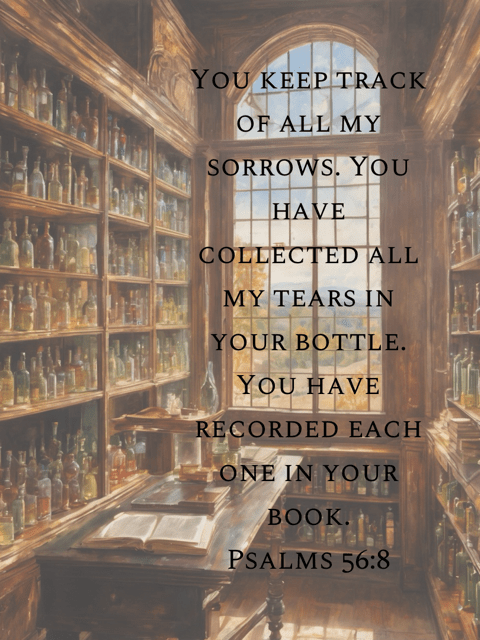
Image generated by Gencraft LLC. Text from the NLT.

Genocide: The College Student

I sat across the supper table from him after a discussion about his potential. He had just finished high school—late because of the years of interruption from the war—and he was considering where he might be able to get an IT degree. He was by most measures a fairly normal college-aged guy. He held his smartphone and his attention drifted to it during lulls in the conversation. He had just teased me like my own brother his age about how much shorter I was than him. But in a few important ways, he wasn’t any normal college guy. He is part of the Masalit tribe, a target of the quickly spreading genocide in Sudan’s Darfur region and of what was widely known as “the first genocide of the 21st century.” That first genocide began in 2003, just in time for the circumstances of his birth to be wrapped up in its horror. He had been displaced from his home for years and I’d never heard him talk about his family before, if they were even still living. 

After a break in conversation I broached the subject of the current genocide happening under the cover of the war, and asked him if other Darfurian tribes besides his were targeted as well. Contrary to the hesitance I expected, his eyes lit up. “That’s actually a very good question,” he said, eager to explain to someone who cared to know. He launched into a welcome history lesson, quick to share about his people’s dignity and strength and their difficult past. “My country,” he would say, as he proudly showed pictures of the flag, or political borders, or the beautiful landscape. He radiated a fierce sense of national identity and autonomy as he shared about the many and complicated reasons others are willing to commit genocide and martial rape. Many want control of his people’s land and its bountiful resources, and there are generations of tensions between Arabized tribes who consider the Masalit and other Darfurians inferior and want to rid the world of them. Some in Darfur want to split from Sudan entirely to be their own nation. But as things are now, many Masalit like my friend are displaced in many different countries, and some even as far as Europe. 

I mentioned the international news coverage, and how more people around the world are starting to hear about his people and what they’re suffering. He said, “What you see in the news is not real. What I have seen with my own eyes, the killing and the raping, you cannot understand that from the news.” He sat quietly for a while, leaving unsaid many more atrocities than any 23-year-old should have to experience. 

And then just like that, he flipped his phone around again to show me a picture of two hyena cubs he had caught and raised. He explained how abundant they were in Masalit land and how people caught or raised them for meat. But with a crooked grin he told me how he’d managed far from his homeland to catch and raise these two—Biter and Scratcher in his language—like security dogs, and later sold them to help support his schooling. He was carrying on as normal a life as any 23-year-old could despite the genocide: trying to make ends meet, enjoying a thrill of danger and the shock value of his adventures, wanting to travel the world and get an IT degree to get a stable job and have a future. 

Habakkuk

On the year anniversary of the coup, I sat with three Sudanese pastors around a table and they shared what they thought about the war and the future of Sudan. They lamented how many were suffering without cause. Some said they thought God was using the war to root out wicked men in power. They discussed how the instability exposed false gods or faith in the wrong deity and gave people maybe their first real prospect of turning to God. They agreed that only God could deliver the people of Sudan from this war and save them. One said, “God is still doing his work in the middle of this war.” 

These observations are exactly the same as Habakkuk’s in his small book. He considers the wickedness of his own people, and then regards God’s plan first with horror when he hears that a nation will bring war to them. Like Habakkuk’s people in his time, the Sudanese face unimaginable cruelty and violence. But also like Habakkuk’s people, they are having a chance to see God’s work that is hard to believe without seeing it for yourself. Muslims from tribes that cannot remember a time before Islam are uprooted and questioning for the first time if their faith is true, and if it can sustain them. At the end of his book, Habakkuk comes to an acceptance born only of his faith in a powerful but loving and merciful God. Though devastation surrounds him, Habakkuk chooses to depend on the Lord to be his strength. Even in famine, violence, and disaster, the God who saves him inspires joy in Habakkuk’s spirit. This same God calls to the Sudanese and offers them the same hope. 

Pray for the Sudanese facing genocide. 

  • Pray that God would provide a way for them to get to safety.
  • Pray that their homes and cultures and livelihoods would be preserved through the upheaval as they flee.
  • Pray for God to protect especially the defenseless among the targeted Darfurian tribes.
  • Pray for those committing the genocide—that God would help them to see clearly through their generations of hatred and the battle fever so that they cannot murder another man, woman, or child without feeling the eternal weight of their actions.
  • Ask God for the justice only he can give, and for ultimate reconciliation and peace. 

  1. Go read Benjamin Myers’ post, “Advent in Oklahoma,” on the Front Porch Republic site. He wrote a beautifully expressive reflection of a waiting hope particular to Oklahoma Plains people. As an Oklahoman myself working with Sudanese, I found a sort of kinship in the way we both persistently, stubbornly wait and silently hope. https://www.frontporchrepublic.com/2023/12/advent-in-oklahoma/ ↩︎
War Stories part 1

The War

Sudan has been at war for over a year. Many still have not recovered and returned ‘home’ from the last waves of violence, and the country was just finally beginning to let out its breath and hope for a time of peace. But instead, the peaceful civilian government they hoped for a year ago is only a broken dream now. The capital city of Khartoum is a smoking, shattered ruin. Much of the country has been ravaged by war as two military factions fight for control over the hollow husk of a country they have left in their wake. 

Millions of people have been displaced from their homes and fled to different parts of the country or to other countries entirely. Again and again the mass casualties from these clashes are civilians caught in crossfire. People can’t access necessities like medicine, food, basic health care, or clean water because soldiers raid or destroy what little is available. Roads aren’t safe and gas and transportation prices are unthinkable because the military routinely seizes goods and demands bribes for passage along the normal supply routes. 

Schools and orphanages have been bombed. City blocks and villages alike have been burned to the ground in places. People flee their homes when they are so desperate escaping on foot is their best option, only to lose family members along the way to military factions that bomb and burn civilian targets for no other reason than to spread fear and destroy resources. 

Systematic rape is an expected weapon of war to control and terrorize both the men who can’t protect their families and the women who lose their social standing and the last scraps of morale they had to hold their broken families together. Sieges and road blocks create artificial famine to demoralize and destabilize any who would resist military forces. And under the cover of this horrific war, the sparks of genocide have already started to rage into wildfire. Whole swathes of the country are now depopulated of certain Darfurian tribes; they have fled because they’re convinced that life in a refugee camp is better than continuing to watch the military target and murder their people by the hundreds. 


The Stories

These horrors—genocide, famine, inescapable trauma, displacement, and war—are so far outside our experience they’re hard to understand. Something that evil, that abominable, is hard enough to wrap our minds around, especially when we can’t put a face to it. So I want to give you stories. I want to give you some ‘faces’ to this war so that you can understand a small part of it. 

I’m no reporter. I’m not writing to propose a solution or help you choose a side. I can’t give you the facts and figures of the war in Sudan. But I can share stories. Sudanese who have survived these atrocities are my friends. Their stories weigh heavy in my heart, because through their experiences I have begun to understand the war. I hope that by sharing some of their stories, you can begin to understand too. 

May we together be driven to our knees in prayer. 

I won’t share these friends’ names, but perhaps that’s just as well. Their stories mirror so many others I have heard that, without names, at least one of these stories could apply to almost any given person who has been uprooted in Sudan. Be warned, these stories are difficult. But they’re worth knowing. These people are worth knowing and caring about. 

I’ll share one story in this post, and three others in the following one. Each story will illustrate some aspect of what Sudanese face: displacement, genocide, war, and trauma. To help as you hear these heavy stories, I’ll share some of the scripture and prayer points that have helped me process them with lament, hope, or truth that does not waver in the face of the suffering of this world. 


Displacement: The Sisters

These two women had been like sisters since childhood. They called each other by childhood nicknames, teasing back and forth good-naturedly about being old or crying like a baby while cutting onions. They had fled from the war back to the small village where they had grown up. Their jobs in the city were gone, so they took whatever work they could to make ends meet and support their families. They rarely spoke of their husbands, who were dead or no longer took part in the family. The women worked long hours and never complained. 

When I first met them they often talked about returning ‘home’ when the war settled down. They held out hope, and their contented joy came only from a deep faith that sustained them through their unimaginable losses of family members, future, and livelihood. They talked easily about crossing desert mountain ranges on foot as they fled. They shared grim jokes about the deadly scorpions and snakes they faced along the way. Their stories about bombed out buildings they took shelter in left a more haunted look behind their eyes. One of the few signs of trauma they couldn’t hold back betrayed the difficulties they had lived through: when you meet one of the women after a long time away, she breaks down into shaking sobs. For so many friends and family members, she never knew which goodbye would be the last one, and who wouldn’t survive until she could see them again. 

These ‘sisters’ are in a multi-stage displacement. First fleeing their city home with their children, they came back to the place of their birth, or their tribal homeland. Here, they could find work, speak the language, and rely on a network of relatives to help cushion their displacement when they arrived with little more than the clothes on their back. 

As the war dragged on though, they began to see that going back wouldn’t be an option anytime soon. In at least one of their cases, there was no ‘home’ to go back to. Their village home they were in now was never meant to be more than a stopover, and they were beginning to see they needed a better long-term option. 

After the war passed the one-year mark, the women started to talk of traveling elsewhere. One’s daughter needed somewhere with a university so she could study and hope for a job to make her future. The whole family would have to move with her, so they could work better jobs to afford to put her through school. As the war further dried up resources in their village home, the other woman needed more stable work just to support her family, and she hoped for a more consistent school for her younger children. Both women are contemplating a move to different countries now—with unfamiliar languages and cultures—for a better life for their children. They live in the uncertainty of not knowing when or if things will change back ‘home.’ They have decided it’s less risky for their family to move somewhere completely foreign than to wait with hope for an increasingly hopeless war to resolve. So they wait and hope for money to travel. And I like many of their other friends don’t know when or if I’ll see them again after they move. 

Jeremiah 29:1-14; Hebrews 11:13-16

We often forget the context of the famous verse, “For I know the plans I have for you… plans to prosper you and not to harm you, plans to give you hope and a future.” Jeremiah wrote it in a prophetic letter to Israelites who were displaced from their homeland and had no idea when they’d return home or what to do in the meantime. God told the people to settle where they landed, to build and grow and marry and have families. If they worked to help the city flourish, they would flourish too—even as a displaced people inside the city. God promised the Israelites that one day he would bring them back home to their land. That same promise may not apply in the same way to displaced Sudanese, but we can hold to the promise that God plans to give them hope and a future. If Sudanese seek God like this passage promises, they will find him. And he may not bring them home in this lifetime, but they have a promise of a heavenly city that will be more a home to them than any place on earth could ever be. 

Pray for those displaced within Sudan.

  • Pray for God to provide for their daily needs like food and medical attention.
  • Pray also for their temporary new homes to provide some respite from the terror of war.
  • Ask God to give them family or friends to support them and help them to adjust after all they have experienced.
  • Ask God to give them wisdom to decide how long and where they should stay. 

Pray for those displaced outside of Sudan.

  • As they live among foreign cultures and different languages they can feel very isolated and alone. Pray for God to give them friends and neighbors who love them well and help them settle in their new homes.
  • Ask God to give them work that can support their families and build up their communities.
  • Pray for all of these displaced to know God’s peace, and to feel that he has been with them and guided their journeys to places of safety. 

An Old Exile and a New War

Sudan is at war. 

The uneasy, unsettled surface of relative peace in Sudan cracked to reveal unresolved conflict that may continue for a long time to come. After genocidal dictator Bashir was ousted in 2019, Sudan’s military leaders took temporary control of the country under internationally brokered plans to hand the country back to civilian rule according to a set timeline. 

In the past weeks, deadlines were not met, and two military factions began all-out war to secure sole rule over the country. The fighting has been centered in Khartoum, the capital. And Sudanese there and around the world have watched in horror as the heart of their country and culture has spiraled into chaos. Infrastructure has broken down—water, food, and electricity are inconsistent at best, as well as phone and Wi-Fi communication networks and basic travel routes. 

Hospitals were first overflowing, then running out of supplies because of looting or inability to restock, and many had to finally close their doors because staff and patients couldn’t get there through the crossfire in the streets. The international airport is bombed and smoldering. People are escaping on foot if they have to, across any borders they can access. Dead bodies lie decaying in the streets because there are no relatives left to bury them, or no way to retrieve them and find a place to put them to rest. As the war has dragged on, wartime atrocities have increased in the chaos, including armed robbery and rape even of young girls. Most Sudanese are in shock. The civilians want nothing to do with this war, and they feel powerless to protect their own families. 

A few of my friends are there. Exponentially more of my friends’ families are there. My heart is heavy and I grieve with many of them as they deal with everything from survivor’s guilt to waiting interminably to hear from family members if they’ve survived the last few days. We’ve lamented and cried and prayed. But mostly, we wait. And we try to handle the worry and the fear the best we can from afar. I have turned to stories from the Exile in the Old Testament. They feel so very alive under the shadow of the war. 


Studying scripture within a different culture gives different eyes to see it with. When I lived and worked with people who experienced oppression and racism because of their ethnicity, it highlighted new realities in the Bible for me. I personally knew teenaged boys who had both a secret name from their culture, and a separate name in the language and culture they interacted with at school and in daily life outside their homes. The stories about Daniel, Hananiah, Mishael, and Azariah took on a whole new meaning. As those young boys learned to operate in a culture that penalized them for being Hebrews, they had to take on the names and culture and learning of a different people to survive. They walked a difficult tightrope of preserving their culture and their faith in God, while still trying to build a life and a home in a foreign culture. They became Belteshazzar, Shadrach, Meshach, and Abednego. 

Living myself in a few different places over the past years, the opening stories in the book of Ezekiel gained fresh life for me as well. God appears to his people exiled to a foreign land in the bizarre shape of a holy throne room that roves the earth attended by angels with many faces, and wheels that can travel vast distances in any direction. Feeling country-less and uprooted myself, I felt with fresh warmth the love of a God whose presence is everywhere with his people, not limited by the geography of a church or a tabernacle. He is not constrained by borders on a map or languages, or even a particular culture’s understanding of what God should look or be like. He can be both foreign and familiar to me when I feel both my new home and my own heart to be a shifting mixture of foreign and familiar. When I feel like I have many different faces in the cultures I travel between, God shows himself and his servants to be all things to all people as well, and to carry many faces looking in many different directions too. 

And now that I live in Uganda and rub shoulders with people who daily live the realities of refugees exiled unwillingly from their homeland, the stories from Israel’s exile come alive in whole new ways as well. I returned to Ezekiel again, as I told a friend, “like snuggling into warm blankets.” This book was written by someone freshly grappling with living the rest of his life in a land that felt unfamiliar and hostile. And though he speaks difficult truths to his own people about the depth of their sin and the extent God would go to in order to break them from their self-destructive habits, Ezekiel also shared perfect jewels of hope specifically tailored to comfort these same people. As I watched Sudanese friends here begin to grapple with the effects of the war, I knew I needed to dig deep into these exile stories to better understand their experiences. And I hoped to find answers for my own aching spirit about what possible good the Lord could bring to Sudan and her people out of such abominations.


Many verses and themes in Ezekiel have felt particularly “present” in connection to the war. The vision of God’s four-faced cherubim and the wheels covered in eyes the roam the earth has been a comfort again. It’s a reminder that God is never far from his people, and that his eyes see all the atrocities and his justice will not ignore them. It has been a comfort too, to know that just as God called Ezekiel to be a prophet to his people, so God continues to raise up believing Sudanese to share his Word and his message of salvation with their own people. 

It is also a bitter truth that Ezekiel saw God’s Glory, or presence, leaving the temple. He ‘left’ the people of Israel after they repeatedly ignored and disobeyed the very God who had protected them. But even this was a mercy, to show the people that without him, they can only be lost and scattered—fearful, unprotected, unable to fend for themselves. An overwhelming majority of Sudanese are Muslims. One of my recurring prayers has been for this war to help them see their need for God, and to drive them into his embrace where they will experience his sufficiency to meet their needs, peace that passes understanding, and personal, motherly love. 

But some of Ezekiel has read like looking in a mirror. As he taught about the siege of Jerusalem, he ate small, measured amounts of food, and sipped his allotment of water anxiously to show the desperation people would feel when they would not be able to find enough food and water to live on. He also graphically demonstrated the fear of violence the people would live under, the city streets scattered with bodies, and the overwhelming amount of death from starvation, disease, and brutality. I’ve heard those same feelings of desperation almost every time someone shares an update from relatives still in Sudan, and some of the exact Biblical words and phrases in the mouths of my friends have sent a chill down my spine. 

Those in Jerusalem couldn’t believe Ezekiel when he told them war would come to their city, that their pride and joy, the heart of their country, would be under attack. I have heard that same shock as people here have talked about the war, about the smoke rising and the rockets exploding in their capital. One friend turned to me spoke like an Old Testament prophet herself when she said, “In Khartoum people closed their eyes to the war in Darfur [the genocide in western Sudan for nearly the past twenty years]. They said, ‘nothing will happen to us. We are safe here.’ Khartoum slept and now the war has come for them.” 

Like Ezekiel when he fell down and cried out to the Lord to ask if he would destroy the entire remnant of his people, my friends and I have wondered and asked God what will be left of Khartoum, of Sudan when or if this fighting finally stops. The second time Ezekiel falls on his face and asks this question (11:13), the Lord’s answer froze me, and I held my breath as I read: 

“… the people of Jerusalem have said of your fellow exiles and all the other Israelites, ‘They are far away from the Lord; this land was given to us as our possession.’

Therefore say: ‘This is what the Sovereign Lord says: Although I sent them far away among the nations and scattered them among the countries, yet for a little while I have been a sanctuary for them in the countries where they have gone.’

Therefore say: ‘This is what the Sovereign Lord says: I will gather you from the nations and bring you back from the countries where you have been scattered, and I will give you back the land of Israel again.’

They will return to it and remove all its vile images and detestable idols. I will give them an undivided heart and put a new spirit in them; I will remove from them their heart of stone and give them a heart of flesh. Then they will follow my decrees and be careful to keep my laws. They will be my people, and I will be their God. But as for those whose hearts are devoted to their vile images and detestable idols, I will bring down on their own heads what they have done, declares the Sovereign Lord.”

Then the cherubim, with the wheels beside them, spread their wings, and the glory of the God of Israel was above them. The glory of the Lord went up from within the city and stopped above the mountain east of it. The Spirit lifted me up and brought me to the exiles in Babylonia in the vision given by the Spirit of God.”

Ezekiel 11:15-24

Wow. The Sudanese refugees mourn their land. It is their family heritage, their possession. I have seen the extra grief of loved ones buried in Ugandan soil, and the burden of knowing they will be left behind if their family can ever return to Sudan. Their ‘exile’ as refugees feels like a punishment, like a sign that God is far from them. But God says otherwise. 

The Sudanese are not the same as the Israelites, and they don’t have the same promises and covenant that God gave to them. But God is the same God. And his heart toward his children holds the same loving care and desire to heal and reconcile them to himself. So, like the Israelites, God has sent many Sudanese away from their homeland. And as they have been scattered in Egypt and South Sudan and Uganda and Chad and elsewhere, he has been a sanctuary for them. 

God has protected many Sudanese displaced from their homes over these long years of war. He has been a place of comfort and safety for them even if, like the Israelites Ezekiel spoke to, they did not even acknowledge him as their God. But we hope and pray that, like God has done for many of the Jews, he will gently gather back the Sudanese and give them back their homeland. 

As I lament and pray, will you pray with me? Will you pray that through this painful and horrific process, when the Sudanese do return home, it will not be with worship and devotion to ancestors or evil spirits or any other false gods in their hearts—that they will return with an undivided heart and a new spirit. 

Just as God has done throughout all history for those who have believed and followed him, he can take away the Sudanese’s hearts of stone that are dead and numb and enslaved to sin. And he can give them soft hearts that turn toward him. We pray it may be so, Holy Spirit. May the Sudanese be your people, and you their God. Let those who have begun this war, who continue to hunger for violence, bring down their own punishment on their heads. 

Lord, may your glory and your presence still hover near to the Sudanese, and may those still waiting in exile find comfort in your words and in your heart for restoration. 

What Does the Bible Say about Oppression, Racism, and Racial Justice?: A Bible Study Resource List

The Bible is very political. But not in the way some might mean when they say that word. Scripture understands and overrides our politics. It challenges them and should shape them. Scripture teaches us what the Kingdom of God should be like here on earth as we wait for all things to be made new, as we groan with creation. We redeem the time by maturing in Christlikeness, pointing our neighbors toward God, and proclaiming and working toward healing to the broken world around us.

Scripture doesn’t take sides like we want it to. It consistently defies our attempts to assign it to one party or another, to use it to back a political platform, to twist it and cut it into tiny pieces to be used in arguments to validate our own opinions. The commander of the Lord’s army said it best in Joshua 5:13-14:

“… a man was standing before him with his drawn sword in his hand. And Joshua went to him and said to him, ‘Are you for us, or for our adversaries?’ And he said, ‘No, but I am the commander of the army of the Lord.”

So is Scripture on my side in an argument? Does the Bible justify my war or political cause? Do the Lord’s armies fight for me or my country? The simple, emphatic answer is, “NO.” The Lord is on his own side, and we pick whether or not we join him in our political decisions, our social actions, the systems we build, the communities we create.

The Lord may not side with our agendas, but he cares deeply about and works on the side of justice. As we seek to act justly, to love mercy, and to walk humbly before our God, his Scripture should renew our minds. It should replace the broken pieces of our culture and worldview with Kingdom Culture.


There is a lot to be said in our current moment of history in the United States. Words fly thick and fast in personal conversations, social media posts, blogs, and articles. I have nothing new to offer. But I do think in stories. And these stories have greatly shaped the way I understand social justice, riots, power dynamics, privilege, violence, protest, civil disobedience, oppression, racism, and righteous anger and outrage. My hope is that you take this list of stories as a resource, and use them for your own devotional and prayer time. Sit in them. Let them make you uncomfortable and challenge your ideas. If we approach God’s word correctly, it will cut us to the heart and can remake what we think of the political and social context we find ourselves in. Let the focus not be my words, but only on the Lord’s words renewing your mind and heart.

Father, may these stories help us to remove the logs in our own eye. May we see the consistencies and themes of how your Word speaks against oppression and injustice. May we humbly approach your Word, willing to be undone by it. May the scales fall from our eyes so we are no longer blind to the horrific sins we commit and how deeply they grieve you. May we seek restoration finally in you as we repent, confess, and turn our lives over to you in obedient submission to your character of perfect justice and goodness. Amen.


Hagar and Ishmael: Genesis 16, 21:8-20. In this story, after Abram, a patriarch of our faith, knocked up his wife’s servant, the family decides they don’t want her or her baby around. In a disgusting statement, Abram says to his wife, “your servant is in your power, do to her as you please.” They mistreat Hagar so much that she flees into the wilderness. When she thought no one saw or heard her, the Lord calls out. He promises her a family line. He says he has heard her affliction. Hagar is the first person in the Bible to call God by a name that signifies a personal relationship with him. She names him “The God who Sees” because she had seen the one who saw her. And she later names her son “God Hears.” This story teaches us much about who God sides with, who he cares for, and how he treats people abused by those in power.

Joseph falsely accused and imprisoned: Genesis 37, 39-50. Joseph was sold and enslaved in a foreign land to a master of a different ethnicity. He worked hard and God gave him favor in the household, but as a slave no one believed him when he was falsely accused of a crime. After years of working hard in prison, we see again that the Lord gave him favor with the authorities over him. The Lord rescued Joseph and delivered him from the position of an enslaved prisoner and elevated him to the second-in-command over the country. The Lord continued to give Joseph favor in this foreign government and he eventually held their lives in his hand as he graciously rationed them through a famine. He used the position of power the Lord gave him to provide a safe home for his family. In this story God is the one who gives Joseph favor and influence, which he uses both as a slave and a prisoner and as ruler of the land. Joseph uses his power to save lives and provide for the hungry and the foreigner, and God is with him.

Moses and the Exodus from Egypt: Exodus 1-13. The Israelites were oppressed and lived as slaves in Egypt. God heard their cries and planned to deliver them. Moses grew up in a position of power in the king’s household, but as an adopted son of a different ethnicity. He tried to address the injustice on his own and murdered a slave-driver before fleeing to the desert. There the Lord met Moses and told him of the plan to save his people. Through appropriate political channels, Moses and Aaron asked for freedom but were only further oppressed. The king hardened his heart, the Lord sent plagues to disrupt his power and government, and finally he deemed the Israelites more of a nuisance and let them leave for their own country. Again in this story, God hears people who suffer, and he makes a way to keep his promise and deliver them.

Moses and Miriam lead in worship: Exodus 15:1-21. In one of the earliest examples of worship music, we find God’s people praising the Lord as their salvation and their rescuer. But deep in the heart of this early example of worship, God’s people praise him for his wrath against their oppressors. They praise God for the death of their enemies. This story can teach us a lot about what topics are appropriate in our praise, and what God’s people first learned about his character as slaves who had been set free.

Miriam complains about Moses’ dark-skinned wife: Numbers 12. In this power struggle, siblings Miriam and Aaron wish to be as important as Moses, for the Lord to use them and speak through them in the same ways. To achieve this goal, they complain about Moses’ wife of a different ethnicity. As a Cushite, Zipporah’s skin would have been very dark, and the Israelites would have been a few shades lighter. In this story we hear Moses described as the meekest man on earth. Unwilling to confront his siblings and defend himself, the Lord defends Moses instead. After rebuking the siblings, the Lord punishes Miriam in kind, making her skin the object of ridicule. God strikes Miriam with a skin disease that turns her white as snow, a white the brothers look at in horror and beg God to remove, a whiteness associated with disease and decay, with sin and corruption, a twisted parody of the ambition Miriam expressed over and above her dark-skinned sister-in-law. In some strong language, God says about Miriam, “Even if her father had only spit in her face, wouldn’t she be shamed for 7 days?” He agrees to heal her after Moses begs. This story teaches us how disgusting our power-mongering is to the Lord, and how he despises our desires to elevate ourselves over someone different from us.

The Ephraimite Genocide: Judges 12:1-7. In a prime example of tribalism, the people of the nation refuse to help each other in battle. After the enemy is defeated, the tribes turn on each other. On the basis of their dialect or accent, Ephraimites were profiled and caught at border crossings and slaughtered. 42,000 Ephraimites were killed in this genocide, at the hands of a corrupt judge who should have led the people in godliness. This story is one of many examples in the book of Judges of the Israelites’ sinfulness and corruption. A brother tribe was systematically murdered in an act of ‘state-sponsored’ genocide.

The deaths of Jezebel and Ahab: 1 Kings 22, 2 Kings 9. This king and queen of Israel were incredibly corrupt. They used their position for selfish gain and feeding their own vices. Ahab imprisons or kills prophets who speak against him, and he pridefully thinks he can outrun the death the Lord promises him. But the Lord’s words come true, and after he dies, dogs lick up his blood and prostitutes bathe in the pool where it was spilled. His queen Jezebel fares little better. Three men (whom she had castrated to serve her) throw her out of a tower window. Her body is left there only for a few moments, trampled by horses, and eaten by dogs. This story teaches us about God’s sense of justice and punishment. The idea of poetic justice is born in us as a reflection of our Maker. This story and many others build up a biblical understanding that only God can execute righteous judgment. By taking that responsibility from our hands, he doesn’t set justice aside, he takes the responsibility for himself as the perfect judge.

Daniel and the three friends in exile: Daniel 1. Daniel and his three friends were taken captive from their homeland to a foreign country. Placed in a systematic education meant to overwrite their culture, language, heritage, and even their own names, Daniel and his friends peacefully and creatively resist these forms of oppression. God gives Daniel favor with the authorities and after a trial run, the four friends are able to keep to their own cultural dietary restrictions. This story teaches us about peaceful resistance, and what it can look like to resist other forms of oppression besides religious persecution.

The fiery furnace: Daniel 3. Daniel has been promoted and separated from his friends, but when the king takes away their religious freedoms and forces them to worship an idol, they peacefully but visibly resist. The three friends refuse to worship, even when given a second chance. They tell the king their God is able to rescue them from his punishment, but even if He does not, they will not submit and worship as the king wishes. They go willingly into the furnace without a word from God, but he meets them in the fire and saves them so that the whole kingdom will know and worship him. This story models civil disobedience for the sake of religious liberty.

Daniel in the lion’s den: Daniel 6. With a new king on the throne, Daniel is still in a position of authority but has no rapport with the new conquerors. Rivals set a trap for him so he will be condemned to hungry lions if he prays to God. When Daniel knows this new law has been signed, he carries on with his public and visible prayers, just as he did before the decree. Again, God gives Daniel favor in the eyes of the new king who wishes to save Daniel’s life but cannot. God miraculously rescues Daniel and again the whole kingdom learns of God’s might and power. This story deals with a complicated political scenario of denied religious liberties, entrapment, peaceful resistance, a public show of civil disobedience, and Daniel’s refusal to bend his morals to ease his situation.

Daniel serves the kings: Daniel 2, 4-6. Daniel serves under a handful of kings and two different conquering powers. Even as they oppress him and refuse him freedoms, Daniel serves them with integrity and honestly recounts the Lord’s words to them, even when it puts him in danger. God gives him favor and uses him as a redeeming influence in these governments. Without his firm stances about the freedom to worship God, Daniel and the other Israelites may have been more persecuted than they were. These stories deal with the complicated issues of how to serve in and under oppressive and unrighteous governments, even if the government is foreign and you are a captive.

God uses Esther to rescue her people: Esther. Esther and her uncle Mordecai were captives just after Daniel, under the same government. The king ‘fired’ his queen and conducted a kingdom-wide search for virgins (sex slaves) to add to his harem so he can choose a queen. Esther was chosen and kept her Hebrew identity a secret. The Lord gave her and Mordecai favor with the government as they lived with integrity, respected people those around them, and saved the king’s life once. When a political rival whispers fear-mongering racism in the king’s ear, the two of them decree a day of state sponsored looting and genocide against the Jews. All the Jews fast and pray, and some demonstrate their grief by wearing sackcloth and ashes in public places. Esther uses her privilege and influence, risking her life, to beg the king’s mercy. In a cautious and calculated move, she reveals the plot and her own identity as a Jew. The king executes the political rival on the gallows he meant for Mordecai, and the Jews are saved. The king elevates Mordecai to his rival’s position and allows him to write a decree for the Jews to battle their attackers on the declared genocide day. They fight back and loot their enemies, keeping none of the goods for themselves.

This book is FULL of commentary on how the Lord’s people can respond under oppression and how the Lord views power dynamics and punishes people who abuse their power. This book shows God’s deep value for all life—lives of sinners and righteous, different ethnicities, wealthy and poor, powerful and meek. You can spend weeks digging into this rich book to challenge your own understanding of privilege, voice, power, oppression, protest, looting, civil disobedience, violet resistance, and slavery.

Nehemiah’s prayer: Nehemiah 1. Nehemiah was an Israelite in exile. When he heard of the brokenness of his homeland, he mourned, fasted, and prayed. His prayer is startling to many of us today, because he confessed the sins of his people, his nation, and his ancestors as his own. This story teaches us about Nehemiah’s character as a leader and rebuilder of broken things. He acknowledged his past and the past of his people so that they could move forward in obedience and dedication to the Lord, fully confessing, repairing, and leaving their sin behind them.

Sackcloth and ashes, torn clothes and dust: Esther 4:3, Job 2:11-13, Daniel 9:3, Matthew 11:21, Isaiah 58:5, Jeremiah 6:26, Jonah 3:6. This is less of a story than a theme of Scripture. God’s people many times wear rough sackcloth clothes and put ashes on their heads. They did it for many reasons: repentance, prayer, fasting, demonstrations, mourning. This theme of Scripture teaches us that sometimes God’s people express corporate emotions or spiritual state outwardly. They mourn together, confess and repent together, signify to their oppressors that they stand together (Esther). Sometimes bandwagon demonstrations may feel forced or disingenuous to us. But time and again God’s people—from peasants to prophets to kings—express solidarity, brokenness, and their utter dependence on the Lord for change by dressing alike and breaking social conventions by standing out in uncomfortable ways.

Mary’s Song: Luke 1:46-56. Mary learns she is pregnant with the Messiah, and after her cousin Elizabeth greets her prophetically she sings a song of praise. In this tender moment of worship, Mary, a young, impoverished, ethnically oppressed, pregnant unmarried woman, sings to her Lord on topics most would call ‘social justice.’ She recognizes her lowly place and how the Lord has chosen to exalt her as his servant. This brief praise song teaches us about how deeply connected the Messiah’s salvation and the healing of broken communities are—the Kingdom includes both.

The Woman at the Well: John 4:1-42. In this story Jesus breaks social barriers to spend time alone with a woman in a public space. Not just any woman, but one his own people would have ignored or worse based on her ethnicity. Even her own society had marginalized her. She was at the bottom of the privilege ladder. But Jesus engages her kindly and personally. He confers value on her as a witness to and preacher of the gospel. He looks past the stigmas society had put on her and sees the woman as valuable and important in his Kingdom. He even gets a bit cheeky with her, when he opens by demanding water from her, as she would have expected from a man like him, but then instead offering her living water and abundant life. This story teaches us to value people and understand their cultural, ethnic, and personal background, but to see their true value as a person made in the image of God.

The Sermon on the Mount: Matthew 5-7. This teaching is the charter for the Kingdom of God. It clarifies Kingdom values and describes what our life should be like as followers of Jesus. There is so much meat to this teaching, and so much is counter-intuitive even to mature believers. But in part Jesus encourages retaliatory love, revolutionary obedience, generous justice, and shocking patterns of integrity and dignity as we live our lives as children of God. Famously Jesus improves upon ‘eye for an eye’ justice by telling listeners to turn the other cheek, to give up the shirt off their back to someone who wrongfully sues, to go the extra mile, to love their enemies, and to share with those in need quietly without thought of reward. Without context we’ve forgotten the revolutionary aspect of these commands.

But Jesus’ teaching here restores dignity to oppressed peoples. A second slap on a second cheek forced a Roman to follow a backhand with an open palm slap, treating the Hebrew as an equal rather than a slave. Responding to a wrongful law suit by giving up your last article of clothing brought public shame on the litigator and was a demonstration of the deep way this action dehumanized and stole the dignity of the Hebrew. Going the extra mile was beyond the distance Romans were legally allowed to force Hebrews to carry their loads. It would have been an act of resistance, of taking initiative, of choosing to act beyond the forced action. Peaceful resistance like this would have given oppressors pause and forced them to consider if the person they abused was actually a human too, with the same thoughts and feelings and dignity.

The Bleeding Woman: Luke 8:40-56/Mark 5:21-43/Matthew 9:18-34. In this story a woman who truly lived on the margins of society approached Jesus. She recognized him for Who he was, but because her culture had repeatedly communicated to her how ‘little she was worth’, she came to Jesus afraid and trembling. She’d lived as a woman unclean, bearing chronic pain, socially stigmatized, used to ducking through crowds, impoverished, weak, sick, shunned. Jesus cared about her and her story, and he gave away the attention focused on him to her when he told her to speak in the middle of the crowd. He gave her a voice, and then he called her “Daughter” and signified to everyone around that her relationship to her Lord made her important. This story teaches us about leveraging privilege to acknowledge those without, and giving away our voice and platform to people who have none of their own.

The good Samaritan: Luke 10:25-37. This parable is a zinger. But unfortunately many of us have heard it so many times we are numb to the sting of its application. When Jesus speaks about loving our neighbor, a man asks him who his neighbor is. Jesus tells the story of an innocent man beaten and left for dead. A priest passes the man and chooses the far side of the road rather than aiding the man in need. A Levite responds the same way. And then a Samaritan, the Jews’ despised brother tribes, saves the man. The Samaritan saved his life, tended his wounds, and paid for his lodging.

To best understand what this story teaches us, we should imagine ourselves as the innocent, helpless, beaten man. Ask yourself who makes you scoff loudest and say, “THEY would never help me. Count on it.” If that man, woman, liberal, conservative, transgendered, gay, foreign, ethnic, Muslim, hippie, whoever it was—person—helped you, how could you ever repay that deed of kindness, that debt of your life? This parable teaches us to rewrite our own narratives by cultivating personal relationships, as neighbors, with the people most unlike us and most unlikely to agree with us.

Cast the first stone: John 8:1-12. In this story a mob gathers to condemn and carry out a public execution. The woman in question was caught in adultery, but she was alone in the dirt, cowering before the stones of her angry accusers. She was dragged there to make a scene and send a statement. Even though she was a sinner and Jesus could judge her, he respected her dignity and gave her the chance at redemption and forgiveness. The man she was with was nowhere to be found. Instead Jesus stood up in the crowd to advocate for her, and to point out the sin and punishment all the crowd-members deserved themselves. It is impossible to read this story today without reading the recent murders of George Floyd, Breonna Taylor, and Ahmaud Arbery in between the lines, to notice the similarities and differences. This story teaches us that we are all of us sinners. We have no right to take the life of another because we deserve punishment and death ourselves but for our Lord’s mercy. Only our Perfect Judge has the right to deal out life and death, and as he demonstrates in this story, he often chooses mercy, forgiveness, and redemption over death and punishment. 

Parable of the Vineyard Workers: Matthew 20:1-16. Jesus tells this parable about a vineyard owner who hires day-workers. To those hired earliest in the morning, he promises a day’s wage. He hires many throughout the day, and some are only hired an hour before the work ends. At the end of the day he pays all a full day’s wage, and the earliest workers grumble. The man says it is his choice to pay as he wishes, and that he does no wrong in giving the early workers the day’s wage they agreed upon. This story teaches us that perhaps we don’t understand the Lord’s idea of justice and fairness as well as we think we do. It explains that the Lord’s justice has more to do with mercy, grace, and generosity than we realize. His idea of fairness if different from our own. This parable can help us think through affirmative action, economic disparity, fair wage, migrant workers, generosity, business principles, and just plain kindness.

Jesus Protests at the Temple: Matthew 21:12-17/Mark 11:15-18/John 2:13-22/Luke 19:45-48. This short account happens in the week immediately before Jesus’ death. Political and religious tensions are high, and Jesus has warned his disciples he will be assassinated soon. Jesus has been recognized by many as the Messiah, and he comes into his own as he enters the temple, the Holy High Priest himself, the King of Kings, and the Eternal Prophet. Enraged at the commerce taking place in the courtyard where non-Jews could gather, Jesus chases out the merchants and customers. He makes his own whip and drives out the people and livestock. He turned over their tables, dumped out and confused their money, and upset the chairs they sat in. He blockaded the temple and refused to allow anyone to pass carrying merchandise. He was angered and said that his house (the Temple) should be a house of prayer, not a den of robbers. Some would call Jesus’ extreme actions ‘looting,’ but it should be made clear that Jesus neither stole nor profited from what he did here. This story is so complicated and interesting. It should shape our understanding of righteous anger, zeal, and outrage at the things that outrage God. It gives us the opportunity to talk about protest, looting, and physical violence. This is the only time Jesus ever raises a hand against anyone.

This story gives us a chance to evaluate what circumstances justify taking action like Jesus took in the story. We should also consider that Jesus called the merchants robbers. What were they robbing, and from whom? The answers seem to be deeper than just monetary or material robbery. If we let this Scripture cut us to the heart, we should consider how we conduct our businesses and whether or not we rob people of opportunities, employment, spiritual growth, and the chance to know the Lord.

Parable of the Talents: Matthew 25:14-30/Luke 19:11-27. Most of us know this story well: a man leaves on a journey and entrusts his money to three servants—5 talents to one, 2 to another, and 1 to the last. When he later returns, he asks them to account for their talents (worth 20 years’ wages apiece). The first two servants deliver the man twice what he originally entrusted them with. The third had hidden his talent away and delivers it up, dirty from being buried in the ground, hidden away and useless. The man rewards and honors the first two servants, but takes the money from the third and condemns him to death. This story can be interpreted to mean so many things, but it is essentially about stewarding, and how the Kingdom of God calls us to be accountable for the resources we have.

The parable teaches us to invest our money, time, energy, effort, skills, etc. for Kingdom purposes, yes. But it’s more than that. We are to steward our knowledge of the gospel well, investing it, mentoring, and reaping returns. Might I also suggest we look at this parable from the lens of privilege? If we are born with social and cultural privilege because of our gender or the color of our skin or the economic class of our parents, we must use it to multiply the voices and platforms of those around us, to share an even footing with our Kingdom brothers and sisters. The worst thing we can do is hide that privilege in the ground because we are ashamed of it or fearful that we might make mistakes with it.

Incarcerated in Philippi: Acts 16:16-40. This story finds Paul and Silas in a jail in Philippi for a crime they did not commit. After they cast out a demon, the men were falsely accused, harassed by a mob, and beaten before they were thrown in jail. They sing in chains through the night. The Lord miraculously frees them, and they lead their jailer to repentance and faith in the Lord. The next morning, after all these events, they calmly remind the jailer’s superiors that as Roman citizens they have rights and cannot be imprisoned and punished without a proper trial and condemnation. Paul and Silas are then set free and continue on in their mission work. This story teaches us about how to consider our rights during religious persecution, how to leverage the liberties we do have, but to hold them loosely and submit them all to Kingdom purposes. We should be aware of our political and cultural rights, but ready to advocate them or set them aside to take opportunities to build the Kingdom.  

Riot in Ephesus: Acts 19:21-41. In this story, believers live out their faith in the community and there are economic repercussions. The idol-makers of the town organize a mob, sow lies, and become violent. They gather in a central point of the city and riot against the Christians. Paul is prevented from addressing the crowd or even going out to them. The people are confused about what they want or what has happened, but are so agitated it takes hours to calm and disperse them. This story helps us consider the difference between a protest and a riot, and cautions against assuming rational motives of a large gathered crowd.

Paul urges a master to free a slave: Philemon. Paul wrote this letter to Philemon, a fellow believer, to urge him to set free his servant/slave, Onesimus. Paul wrote from prison, where he met Onesimus—a runaway slave who had become a believer. Paul thanks and praises Philemon for his work for the gospel and his faith. Then Paul praises Onesimus, whom he had mentored in the faith. Paul asks Philemon to accept this letter Onesimus is delivering to him, and to begin to see and treat Onesimus as brother instead of a bondservant. Paul asks Philemon to treat Onesimus as he would treat Paul himself, and he expresses confidence Philemon will do this and more.

This letter teaches us so much about confronting sin, especially oppressive sin, in our believing brothers and sisters. Paul treats Philemon with respect and thanks him for his faithfulness, but does not shy away from confronting the way Philemon relates to another man as if he were a slave. We learn from this letter that we cannot force conviction on someone, or compel them to change their sin behaviors. But if we respect them as a brother or sister in the Lord, we should call them into greater Christlikeness as we humbly challenge them to repent of sin. We learn that this difficult conversation occurred in the context of a greater friendship and hospitality, as Paul asks to stay at Philemon’s house soon. Change in this case comes through relational conversations. And Paul hopefully expects change in Philemon based on his confidence in the man’s obedience to the Spirit. Paul simply asks Philemon to honor and receive Onesimus as if he were the same as Paul—Paul humanizes Onesimus for Philemon so he will understand the former slave is no less important than his friend and mentor Paul in the rankings of the Kingdom of God.

********These are just a handful of stories from Scripture that address violence and oppression, war and slavery, privilege and power, protest and resistance. My prayer is that they dig deep in us as we submit ourselves to the Lord in obedience and do the hard work of building Kingdom communities. May we reflect and pursue the justice of our Maker, and may we live our days honoring God by acting justly, loving mercy, and walking humbly before our God.


For Esther. For Khalila. For Hikmat. For Pastor White. For Leah. For Mandi. For Regina. For Grace. For Gina. For my Stara Zagora kids.

This post is dedicated to my BIPOC brothers and sisters who have opened my eyes to the realities they experience, and the fresh ways they understand Scripture in light of those experiences. Thank you for gently and patiently teaching me. Thank you for trusting me with your experiences. Thank you for inviting me in to share the rich ways you live in obedience while honoring your spiritual heritage. Whether you knew it or not, your character and manifestation of the Image of God has shaped me more into an image-bearer of Christ as well.

Lament

O Lord over my brokenness,

Long have you carried me in my past.

Through many sufferings you have been faithful.

In my sins and my struggles you have loved me and provided for my needs.

But in the war and famine and death of the righteous,

Where are you, Lord?

When your faithful ones weep and mourn,

When the ones whom you love face darkness so deep it threatens to overcome them,

Why are you absent?

Why do you seem so far?

Why do you keep silent?

My own suffering is a small thing.

But the pain of multitudes is great.

When your followers starve

When they are hunted because you are their Lord

When their children die along the roadside,

How do you honor their faith

Or reward their obedience?

Send your peace to the land, oh Lord.

Bind up the broken-hearted.

Rescue those of your heart who have not created this war.

Lord over our brokenness,

We see your provision in new family and friends.

We understand you weep with us.

We know you send help and comfort to the ones your heart loves.

Lord over our brokenness,

In these black days of our sorrow

We will praise you.

When we cannot rise from our beds

When we have no tears left to cry

When we do not understand your plan and your ways,

We will trust you as Lord.

We will seek you in our brokenness.


*** This lament was written as part of a trauma healing training, according to the structure of laments from the Psalms, in response to and prayer about the current war in South Sudan.